
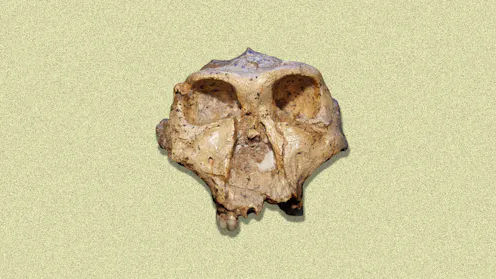
A forma como classificamos os ancestrais da Humanidade é uma bagunça, mas há uma solução simples para isso
- Research Fellow in Biological Anthropology, Monash University
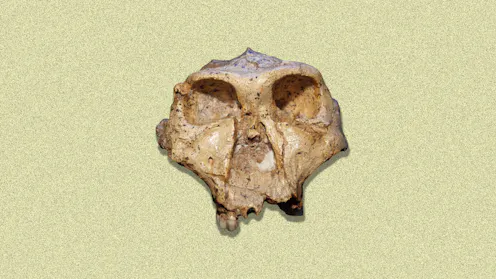
The way we classify humanity’s ancient relatives is a mess. But there’s a simple fix.
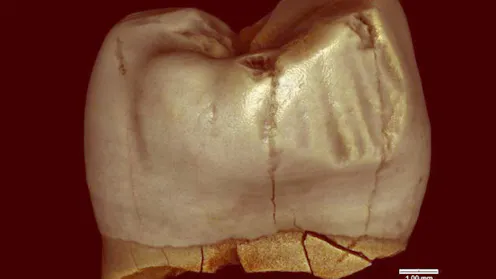
Une étude révèle que les sillons dentaires fossiles, souvent interprétés comme des « marques de cure-dents », peuvent se former naturellement chez les primates sauvages.
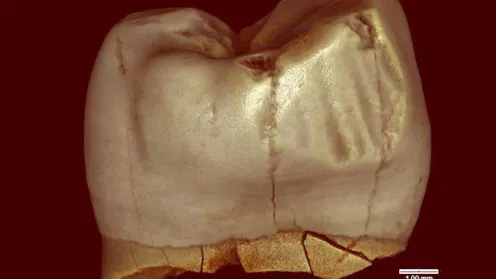
A new discovery could reshape how we interpret the fossil record of humans and their closest relatives.
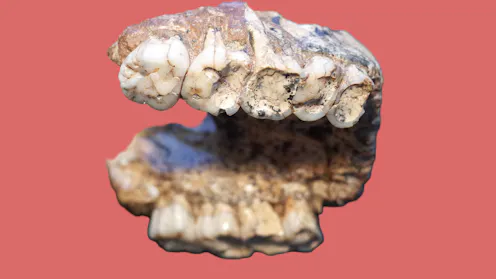
Curiously uniform dimples on the teeth of ancient hominins may give scientists a new way to trace their origins and relationships.
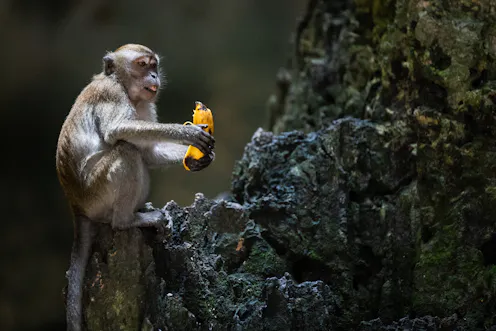
New fossil studies tell us our ancient ancestors enjoyed a diet of soft, sweet fruits. This would have influenced where they lived and spread to – and even the evolution of colour vision.

Macaque tooth wear was identical to our ancestors, throwing into question the long held belief that tool use caused the markings on hominin tooth fossils.
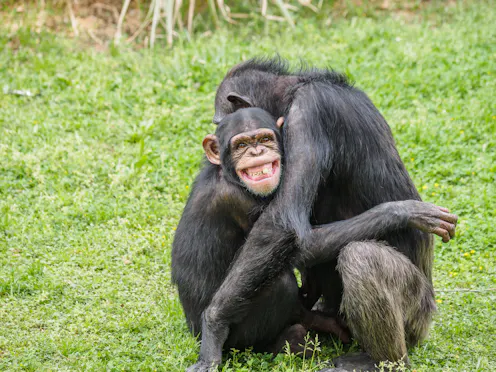
We studied 8,000 primate teeth and finally confirmed that humans are not the only living primate to suffer from cavities. But there are interesting differences.
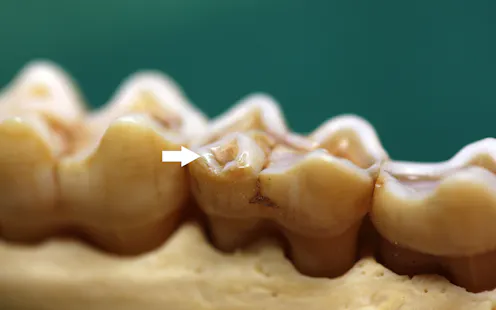
The genus Paranthropus stands out in our human family tree because of their massive back teeth, but new techniques suggest we should throw out the hypothesis they mainly ate hard seeds and nuts.

Teeth covered in pits were common in the 2m-year-old species Paranthropus robustus.
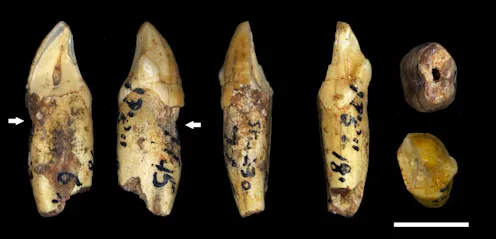
Prehistoric humans and their predecessors may have had a very different diet but their teeth suffered in similar ways to ours.
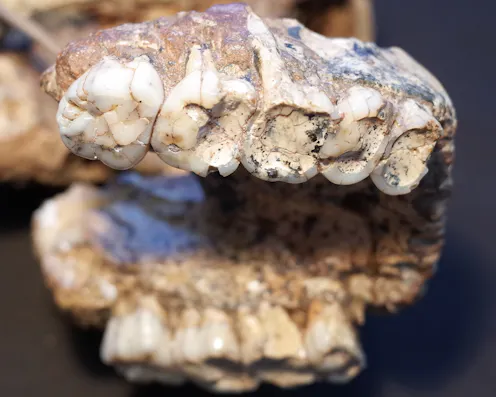
Diet and disease leave characteristic marks on our teeth which can reman for millions of years.

Homo naledi seems to have enjoyed small, hard foods like nuts.
Contact Ian for
- General
- Media request
- Speaking request
- Consulting / Advising
- Research collaboration
- Research supervision
