
The loss of the central role of people in today’s complex global systems is the greatest danger of all. In Kenya and Amdo Tibet, it can be rediscovered.
- Professorial Fellow, Institute of Development Studies
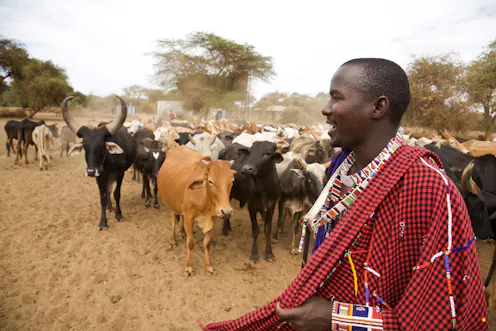
A world without pastoralists would not only be a poorer place, but we would lose an important lifeline to our collective future.
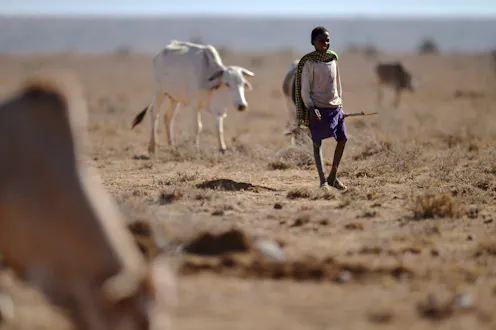
Instead of the deluge of external interventions, ways must be found to build resilience from below, drawing on local practices and networks.
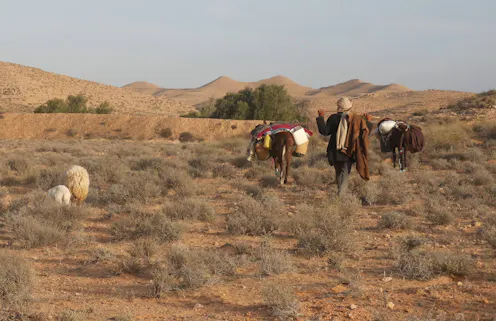
Pastoral communities should be included in conservation initiatives – but the ecology of pastoral lands has long been misunderstood.
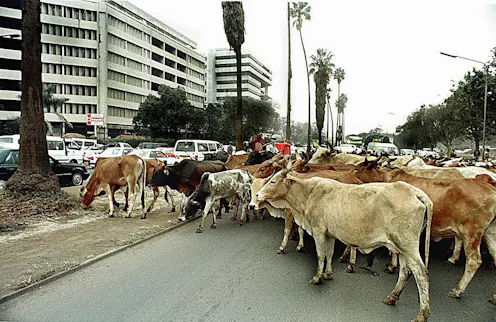
Un discours simpliste tenu par des activistes, des célébrités, des philanthropes, des décideurs politiques voudrait que « tous les animaux d'élevage soient mauvais ». Ce qui est loin de la réalité.
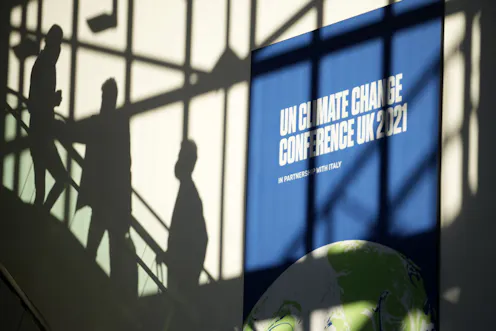
At COP26 in Glasgow everyone was committed to saving the planet, but there were highly divergent views about how to do it.
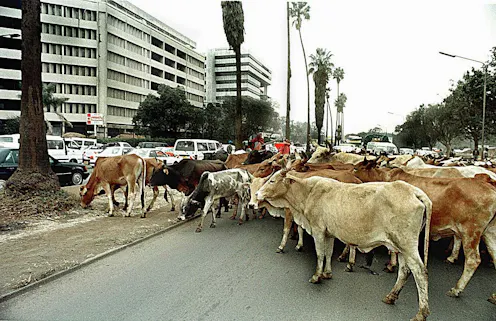
A simplistic ‘all livestock are bad’ narrative is promoted by campaigners, celebrities, philanthropists and policymakers alike. A much more sophisticated debate is needed.
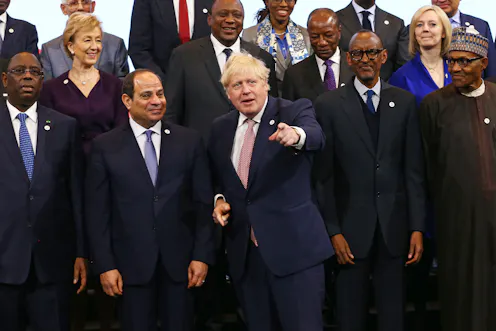
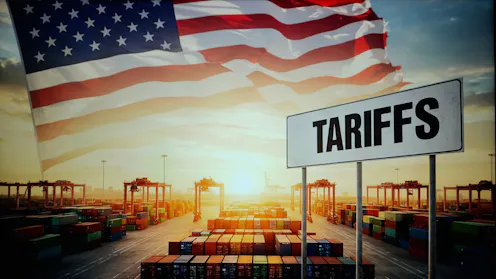
Trade and investment can help reduce poverty, promote women’s empowerment, and support children’s rights. It can also do the opposite.
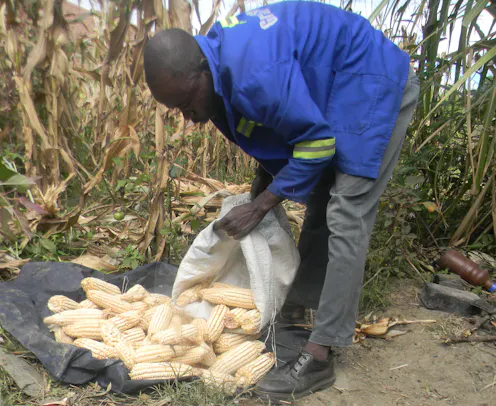
Zimbabwe’s food insecurity is not just about food production, but access too. It is affected by, among others, the value of assets when sold and social and cultural dimensions that go into exchange.
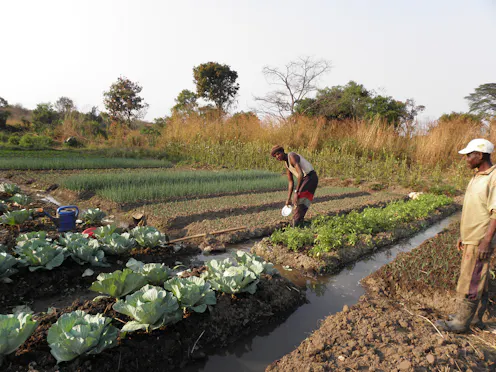
The green revolution: small-scale, informal irrigation is expanding in Zimbabwe and small scale farmers are leading the way.
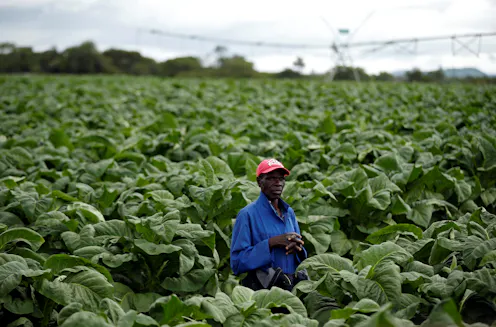
Zimbabwe’s new administration has promised to revive the country’s agricultural sector. Here’s what it needs to do.
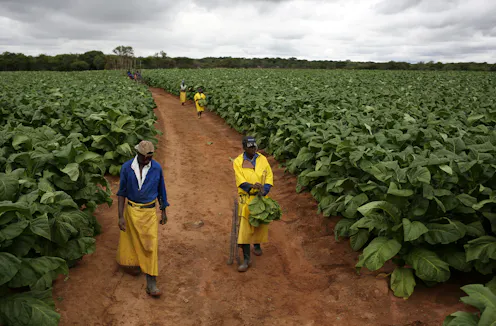
A new land administration system that responds to changed ownership patterns of Zimbabwe’s agricultural land is needed if the country is to harness its farming potential.
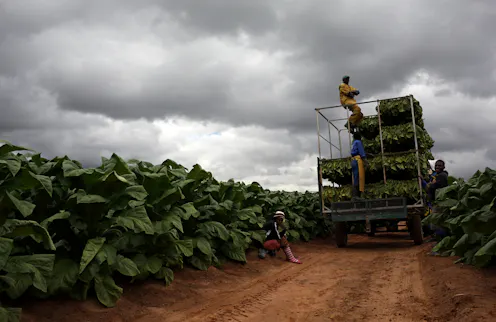
The unresolved compensation of Zimbabwe’s evicted white farmers needs to be settled quickly, as it stands in the way of economic recovery.

Many African countries are still searching for inclusive commercial farming models that can bring in private investment without dispossessing local people.
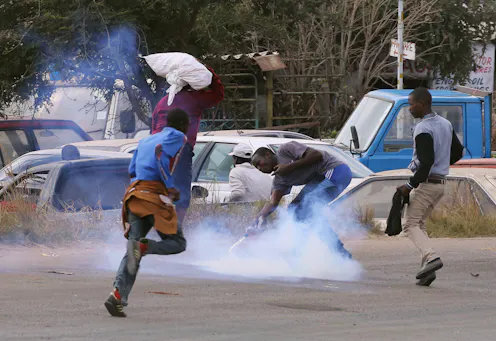
The protest by Zimbabweans against police road blocks and banned imports highlights a new political economy that is rising on the back of informalisation of the economy.

Britain’s decision to leave the EU will fundamentally affect Africa’s relationship with UK in a way that will be damaging to all.

Making land governance work in practice is easier said than done. The process of agreeing to international guidelines has been intensely political – as is their implementation.
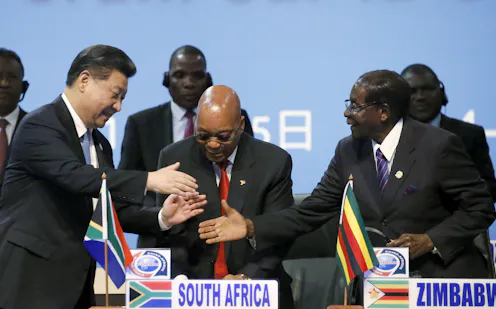
Agriculture featured prominently at the 2015 Forum on China-Africa Co-operation, but the reality has yet to catch up to the hype about China’s involvement in African agriculture.
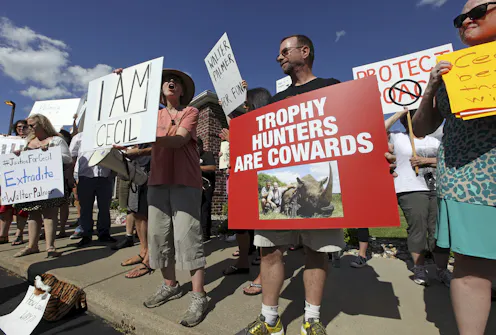
The shooting of Cecil shines light on Zimbabwe’s new elite land politics which excludes the wider population and exposes the racial dimensions of the relationship between wildlife, land and hunting.
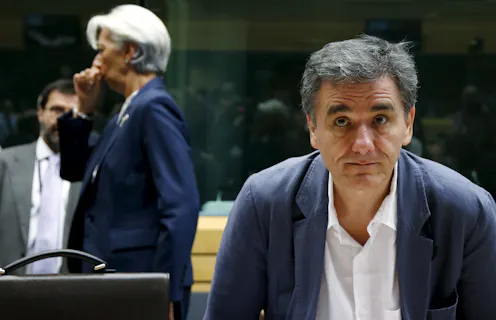
Greece can learn a lot from Africa’s 1980s and 1990s experience of living with structural adjustment (austerity). The damage has been long-lasting – not only on economies, but also directly on people.
Contact Ian for
- General
- Media request
- Speaking request
- Consulting / Advising
- Research collaboration
- Research supervision
- Location: Brighton, UK
- Website
- X (formerly Twitter): @ianscoones
- Article Feed
- ORCID
- Joined
