
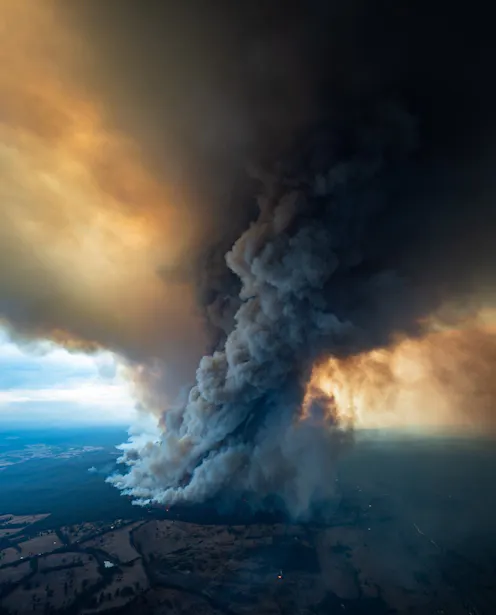
Over 30 years ago, the world banned CFC chemicals to save the ozone layer. But now, climate-fuelled bushfire smoke is putting it at renewed risk
- Honorary Professorial Fellow, School of Chemistry, The University of Melbourne

An association isn’t the same as causation – and as far as associations go, the one in this study was pretty weak.
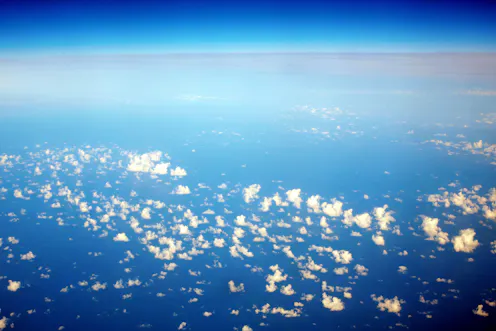
Hydrofluorocarbons were created to replace ozone-damaging chemicals – but they turned out to be major contributors to climate change.

Two new studies from Food Standards Australia and New Zealand show there’s no evidence that nanoparticles in food present a health risk, but there’s more research to be done.

Environmental scientists have warned the long-term effects of synthetic chemicals used in packaging, food storage and processing food could be damaging our health. In a paper published in the Journal of…

A new study that found the common plastic ingredient bisphenol A (BPA) may harm a baby’s brain development in-utero has been described as ‘misleading’ and ‘not relevant’ by Australian experts. BPA is a…

SAVING THE OZONE: The final part our series exploring the Montreal Protocol on Substances that Deplete the Ozone Layer – dubbed “the world’s most successful environmental agreement” – looks at Australians…

SAVING THE OZONE: It might not seem so long ago that the discovery of the hole in the ozone layer over Antarctica had us in a frenzy over CFCs in hairsprays and insecticides. In fact, on September 16 2012…
Contact Ian for
- General
- Media request
- Speaking request
- Consulting / Advising
- Research collaboration
- Location: Williamstown, Australia 3016
- Article Feed
- ORCID
- Joined
