
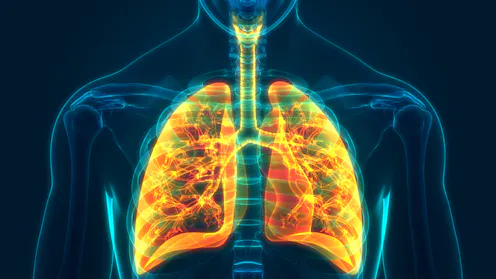
The aim is to find and treat lung cancers early, before they grow and spread, to improve the chance of survival. Here’s what’s involved.
- Adjunct Professsor, School of Psychology, Faculty of Health and Medical Sciences, Adelaide University

La princesse de Galles a annoncé souffrir d’un cancer dont la prise en charge nécessite l’administration d’une « chimiothérapie préventive ». De quoi s’agit-il ?

Esto es lo que sabemos sobre el tratamiento destinado a atajar el cáncer que padece Kate Middleton, la princesa de Gales.

Here’s what we know about this type of treatment.
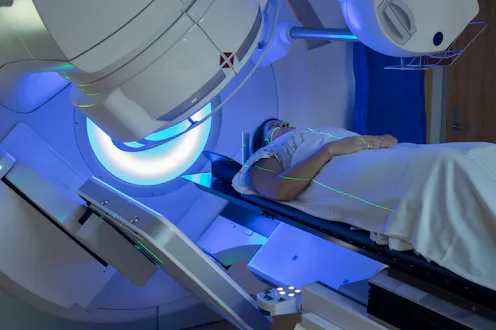
Social factors influence how likely we are to suffer from many types of disease, including cancer.
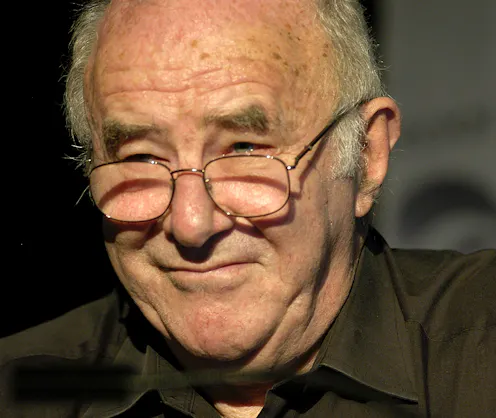
Writer, broadcaster and commentator Clive James never missed an opportunity to educate his audience. That included raising awareness of leukaemia.

A cancer is in remission when it can no longer be detected. But we only say it’s cured when it hasn’t come back for a certain time – and that differs for different cancers.
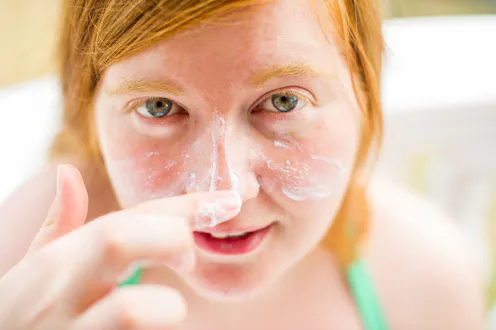
A US study into whether a new drug can give us a tan without going into the sun generated headlines around the world. Here’s what the study really says.

A longitudinal study featuring nearly 74,000 US women has found that the longer a woman has been overweight or obese during her adult life, the higher her risk of developing cancer.

Should new understandings of how cancers develop and could be targeted mean we should change the way the scheme registers cancer drugs?
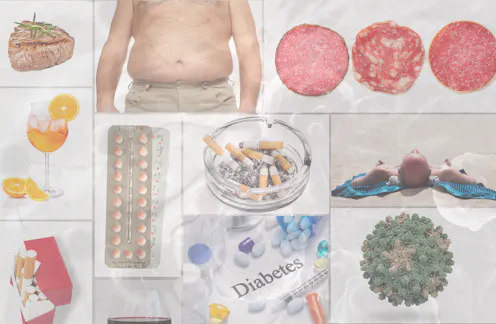
This body map brings together evidence on proven cancer causes. Using credible, scientific sources it answers questions about whether alcohol, red meat or sun exposure increase your cancer risk.

Relative risk is the risk one group of people has of developing a cancer compared to the risk of another group.

Nearly 40,000 cancers diagnosed in Australia can be prevented if people avoid known risk factors for the disease, according to research published today.

The National Health and Medical Research Council call for public submissions on whether sex selection should be allowed without a medical reason recognises changing social attitudes.
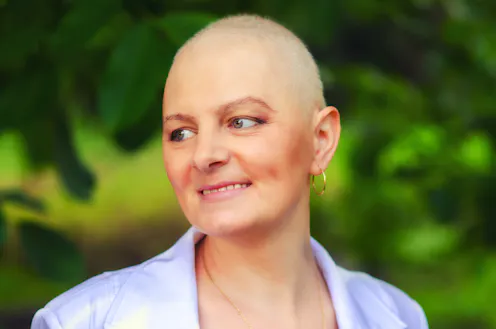
The rate of Australians dying from cancer is on a steady, downhill trajectory, thanks to powerful advances made in prevention, diagnosis and treatment of the disease.
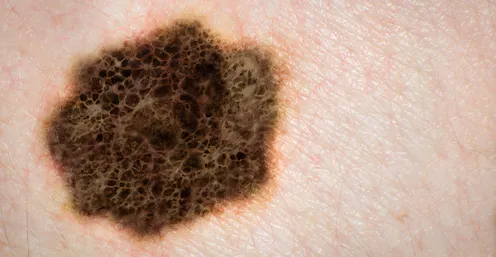
Keytruda® is the latest drug to be registered in Australia for the treatment of widespread melanoma. But we must wait to see if it meets the cost-effectiveness targets for PBS subsidisation.

Alcohol and cancer is a topic that arouses a lot of controversy: many Australians like the odd drink but don’t want to make the connection to cancer, the world’s biggest killer. The World Health Organisation’s…

If you only light up when you’re drinking or out with friends, you probably don’t identify as a smoker or consider the health impact of the occasional fag. Social smokers don’t usually smoke every day…
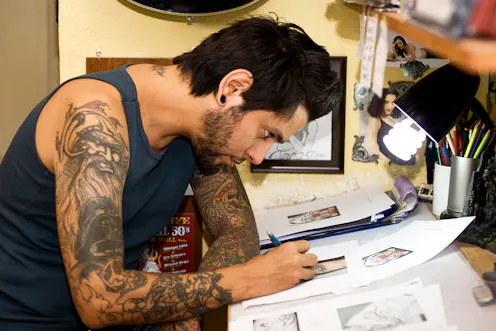
Scientists have recently raised alarm over the possibility that some inks used for tattoos contain cancer-causing chemicals. To make matters worse, some pigments come as small particles called nanoparticles…

A new test could help doctors better understand which prostate cancers are likely to remain slow growing and could be managed with surveillance only, potentially sparing thousands of men from unnecessary…

Use of the anti-cancer drug Tamoxifen is associated with a dramatically reduced risk of developing a second breast tumour among women with a high risk gene mutation who have experienced breast cancer already…

Consuming a lot of high-energy junk foods and fizzy drinks is associated with a higher risk of colorectal cancer, according to new research published in the European Journal of Cancer Prevention. The new…
If fear of skin cancer was not enough, here’s another reason to slip, slop, slap: daily sunscreen use can dramatically slow the skin ageing process, a new study has found. The study, conducted by researchers…

A drug that may one day be used to treat skin cancer has been found to be safe for use on humans and may reduce the size of a tumour, according to the first ever human trials of the drug. The drug, called…

Australian researchers have developed a new therapy to treat a common and aggressive form of breast cancer and stop the disease spreading, with a 100% success rate reported in mice. Using a combination…
Contact Ian for
- General
- Media request
- Speaking request
- Consulting / Advising
- Research collaboration
- Research supervision
- Location: Adelaide, Australia
- Website
- X (formerly Twitter): @iolver
- Article Feed
- ORCID
- Joined
