
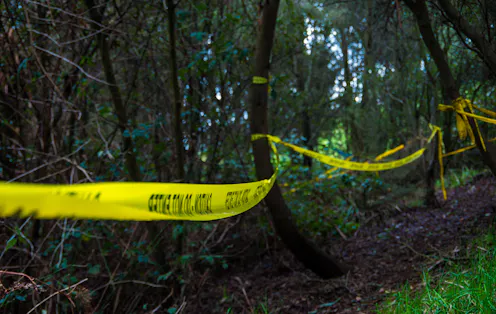
Borrowed from geology, subsurface imaging may help us solve crimes – if we know how best to use the tools.
- Professor of Archaeological Science, Flinders University
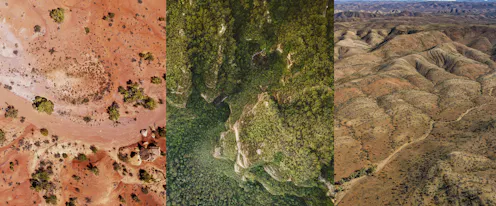
By detailing the landscape at the time of first humans’ migration into Australia, we can better understand how people travelled and where they settled.
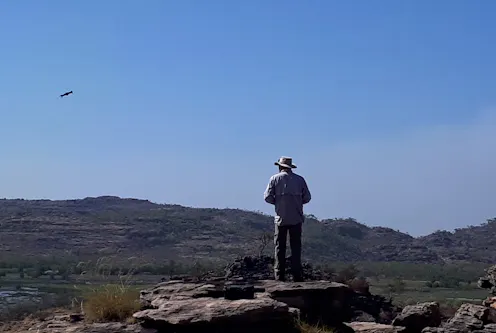
Rock art directly represents how our ancestors saw the world. A new approach involving the history of the landscape brings fresh meaning to Arnhem Land rock art.
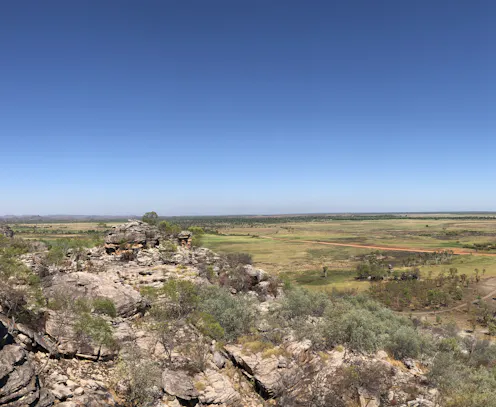
Beneath the floodplains of Arnhem Land lies a hidden landscape that has been transformed over millennia as seas rose and fell.
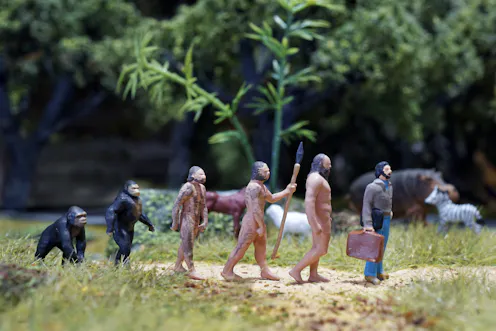
Temuan kerangka spesies kita Homo sapiens yang tertua berumur sekitar 300.000 tahun. Namun, ada waktu ketika tak ada satu manusia pun yang ada dan dunia hanya terselimuti oleh lendir.
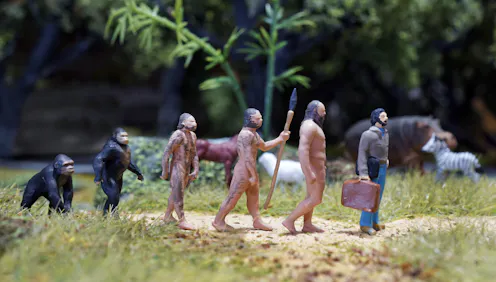
The oldest known skeleton of our species Homo sapiens is about 300,000 years old. But there was a time when humans didn’t exist at all and the world was covered in nothing but slime.
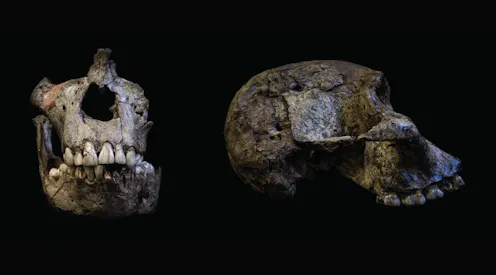
A new study shows the enigmatic hominin species Australopithecus africanus may have breastfed young for around 5-6 years – a very costly practice for the mother.

Tidak ada fenomena arkeologi yang telah memberikan perubahan besar dalam tahun terakhir selain bagaimana kita memahami garis keturunan kita. Dapatkah pada 2019 kita lebih dalam mengenai Homo erectus?

No area of archaeology has seen such vibrant change in recent times than how we understand our family tree. Could 2019 be the year we learn more about our mysterious ancestor Homo erectus?

How can we find buried bodies? Ground penetrating radar is one solution - but it’s not always effective. Electrical resistivity tomography (ERT) offers a very sensitive alternative.

Funding for research in Australia could soon depend on how much researchers engage with others who could benefit from and help out with the work.
Contact Ian for
- General
- Media request
- Speaking request
- Consulting / Advising
- Research collaboration
- Research supervision
- Location: Adelaide, Australia
- Website
- X (formerly Twitter): @archaeometry
- Article Feed
- ORCID
- Joined
