

Voters have been growing dissatisfied with the major parties for decades. And they are no longer as willing to be told where to send their preferences.
- Distinguished Professor of Political Science, Australian National University

A new study reveals the reasons behind Labor’s landslide win at the 2025 election, including short-term and long-term factors.

There’s a popular belief that a good leader will win an election for their party, while a bad one will lose it. The numbers show this isn’t necessarily true.

The gradual changes in voting behaviour represent an existential crisis for the Liberals going forward.

With the Coalition leaning hard on its perceived strengths on national security, Labor’s only option is to emphasise bipartisanship.

Given the effort politicians and their advisers commit to directing public funds to marginal electorates, an observer would think the returns would be substantial.

There has been a clear trend since the 1980s towards more favourable public attitudes on Indigenous issues. The reason? A better-educated citizenry.
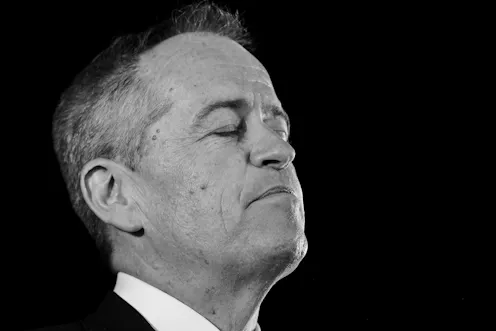
Election data suggests the Coalition’s victory wasn’t so surprising after all – long-term trends pointed toward a Labor loss, given the various factors in play in this election.
