

Science doesn’t occur in a vacuum – politics, harassment and intimidation can hamstring progress.
- Emeritus Professor, School of Environment and Science, Griffith University
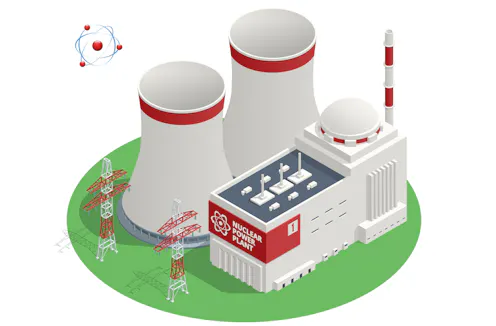
Small modular reactors promise to make nuclear power cheaper and safer. But our new report shows they’re still a long way off.
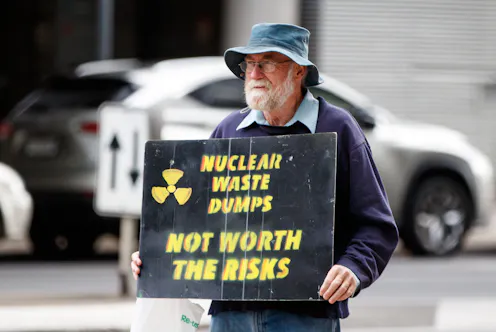
Nuclear power stations produce high-level radioactive waste. It is dangerous for hundreds of thousands of years — and so far, the world has failed to deliver a safe, permanent storage method.
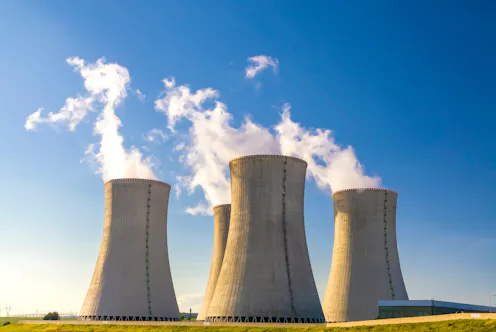
Going nuclear in Australia would mean overcoming a set of almost impossible obstacles, from legal to financial, regulatory and workforce.
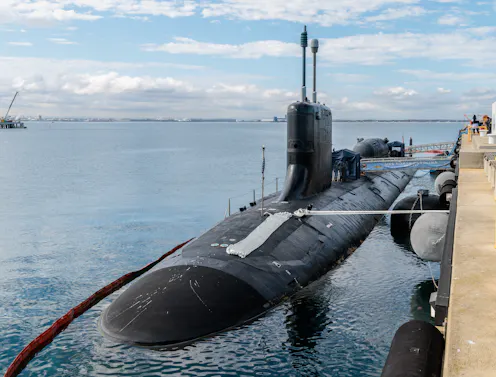
For decades, Australia has sold uranium – but said no to nuclear reactors. That’s set to change, whether in nuclear submarines or even in plans for power plants.
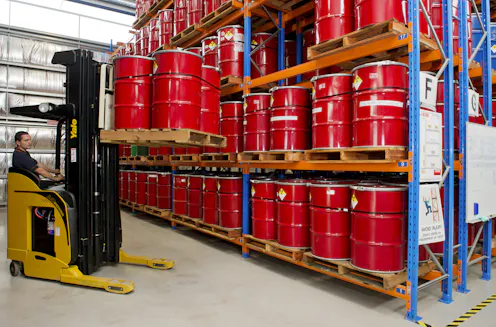
Now that plans for a national radioactive waste management facility near Kimba in South Australia have been abandoned, what next? Let’s learn from our mistakes.
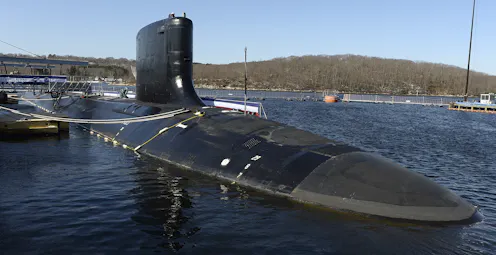
Nuclear submarines may offer protection – but they will leave us with a high-level nuclear waste headache

A fast-growing population – 50% bigger than it was in 1990 – is causing, directly or indirectly, all of Australia’s serious environmental problems. These impacts must be central to decision-making.
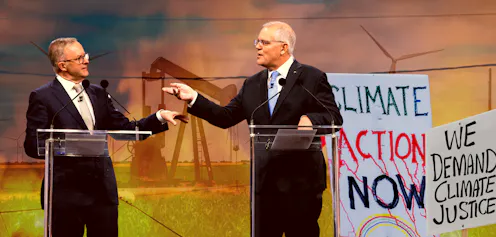
Climate change is the most pressing issue of our time – so what have the Coalition and the Labor party actually promised? Five experts grade different aspects of their climate policies.
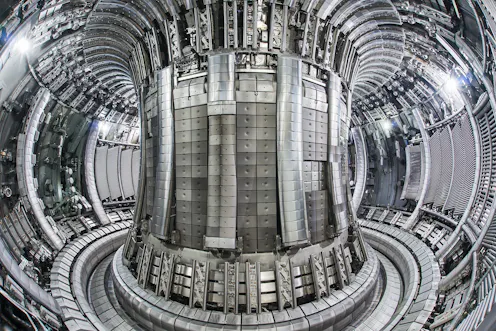
Fusion seems nearer than ever - but it won’t be the silver bullet to stop climate change.
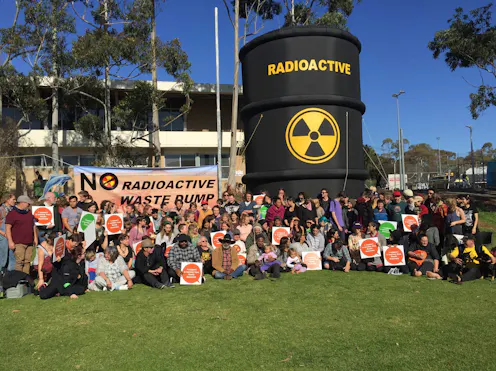
Radioactive waste from nuclear medicine facilities will be trucked to and buried near the South Australian town of Kimba. But this decision still faces a range of hurdles.
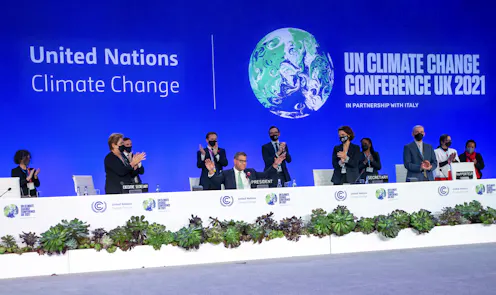
Has the summit delivered on its goals?
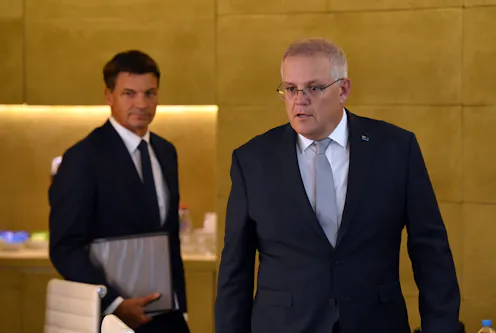
Reaching net-zero emissions will require intense policy focus, private investment and clear accountability – conditions only a firm numerical target can provide.
The submarine announcement is sure to trigger a new round of debate on whether nuclear energy is right for Australia. But let’s be clear: the technology makes no sense for Australia.
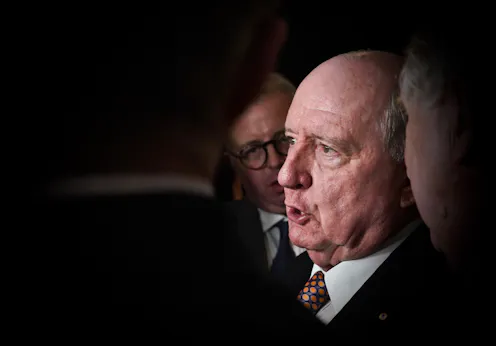
Science is never settled. But contrary to the claims of a new book, there is enough confidence in the science to justify significant climate action.

Will the newest batch of books about the climate crisis change minds? Reading about the problem can help us understand it, but it’s political action that is needed now.
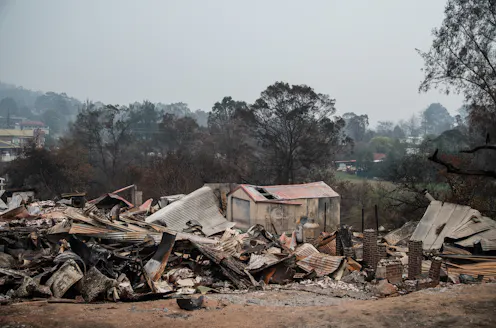
Damage to septic tanks is one of the major health hazards people face when they return to their bushfire-affected homes. It was simply dumb luck a disease outbreak didn’t happen last summer.
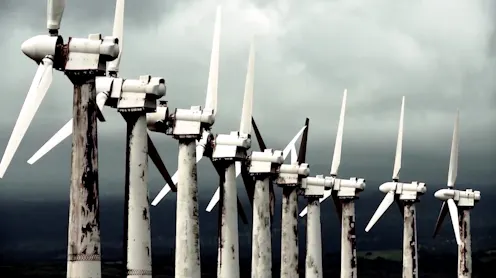
Environmentalists say the new film has caused untold damage at a time when change has never been more urgent. So why is it so controversial?
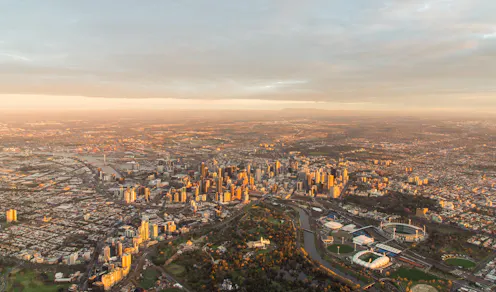
The demands on land and resources from our fast-growing cities are unsustainable, as are the wastes they produce. Yet still our leaders act as if unlimited growth is possible.
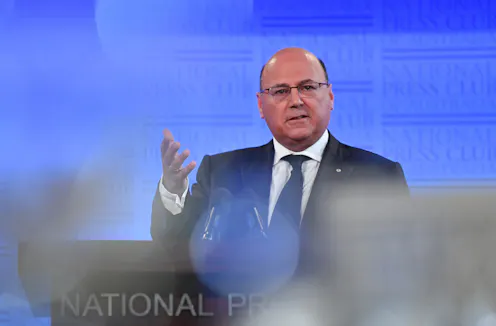
The federal government released its National Science Statement today, reinforcing its commitment to science and innovation. But does it do enough?
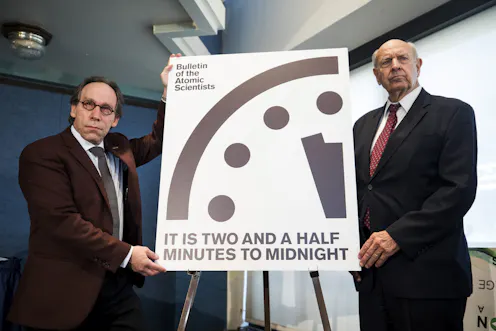
It’s two and a half minutes to midnight according to the Doomsday Clock. But what is the clock and why should we pay attention?

After a Royal Commission and a citizens’ jury, South Australian Premier Jay Weatherill has enough advice to decide on his nuclear waste dump plan. Which makes his decision to hold a plebiscite baffling.
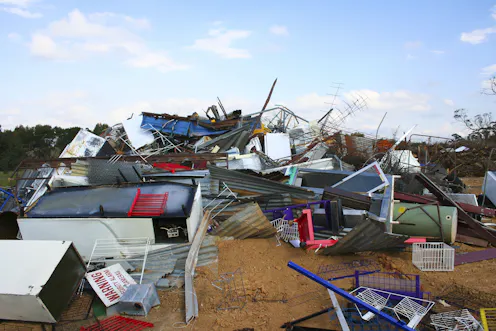
Australia still rests too heavily on its luck, and not enough on its brains.
CSIRO is set to cut dozens of jobs from its climate research units, as part of a wider series of job losses to be formally announced today.
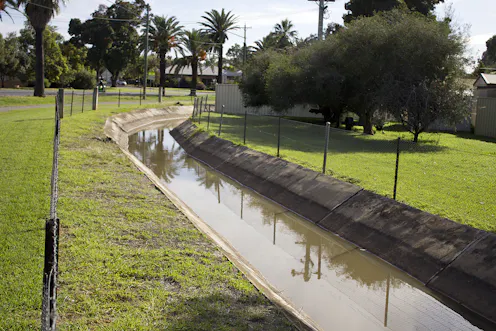
A government for the 21st century needs to work out how we can grow our food, manufacture goods and dispose of waste without making such a huge mess.
Contact Ian for
- General
- Media request
- Speaking request
- Consulting / Advising
- Research collaboration
- Research supervision
- Location: Sunshine Coast, Australia
- Website
- Article Feed
- Joined
