
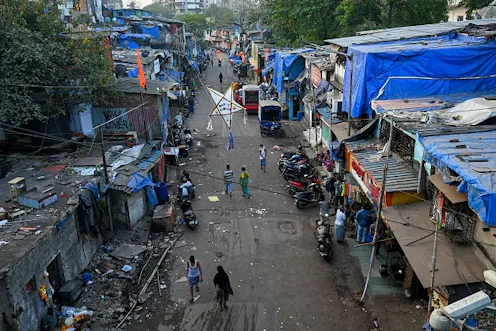
Cities are where solutions are found – but also where perils are amplified when we fail to act.
- Professor of Globalisation and Development; Director of the Oxford Martin Programmes on Technological and Economic Change, The Future of Work and the Future of Development, University of Oxford
CC BY-NC-ND16.7 MB (download)
Is it possible for COVID-19 to help us shape a better world?
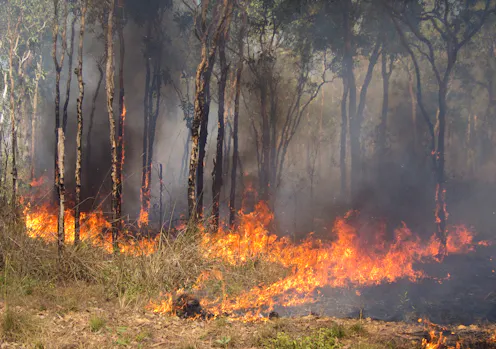
How to prevent future disasters by learning from the past. Listen to episode 21 of The Conversation Weekly podcast.

La tarea ahora es convertir la respuesta reactiva a las emergencias sanitarias y económicas en un conjunto de políticas y acciones proactivas.

The task now is to turn the reactive response to the health and economic emergencies into a proactive set of policies and actions.
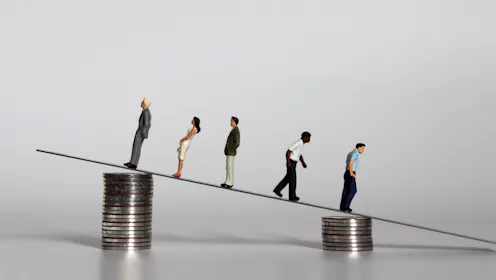
It’s been argued that pandemics are the great leveller, but with COVID the opposite is true – and we can’t afford to ignore it.
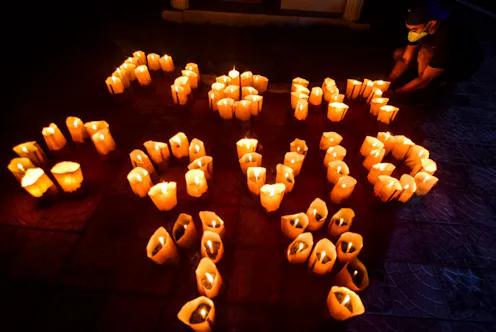
Il faut une réponse globale d'autant que les conséquences de l’épidémie seront beaucoup plus graves et durables dans les pays les plus pauvres.

The consequences will be far more severe and long lasting in poorer countries.

The first Renaissance struggled with the same doubts and uncertainties and blinding possibilities that we face today. Any gains we make will have to be achieved amid relentless shocks.
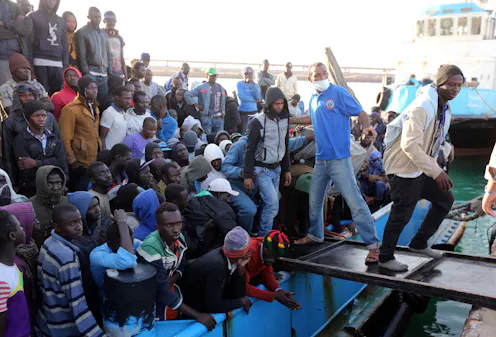
The migration of early Africans into the Middle East, then across the Mediterranean into Europe and Asia – and eventually into the Americas and Australia and the Pacific Islands – is the origin of today’s humanity.
Contact Ian for
- Media request
- Speaking request
- Consulting / Advising
- Location: Oxford, England
- Website
- X (formerly Twitter): @ian_goldin
- Article Feed
- Joined
