
From almost 350 questions, nine experts answer the most common ones you asked.
- Associate Professor in Environmental Science, Western Sydney University

Cancer-linked chemicals can remain hidden in drinking water supplies for decades.

Floods can increase the risk of water contamination. A water safety expert explains how you can ensure your water is safe to drink.
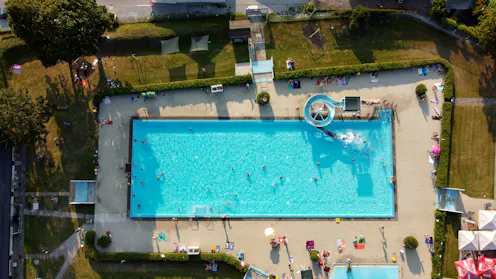
Poo in a public pool? Here’s what staff do to keep everyone safe from disease.
The risk is very small, but for people who do become infected, this illness is nearly always fatal.
The Australian Bureau of Statistics looked at concentrations of 11 types of PFAS, or ‘forever chemicals’, in our blood. Here’s what the results show.
A ‘brain-eating amoeba’ might sound like a science fiction creature. Unfortunately, it’s real – and while infections are rare, they are usually fatal.
New research underscores the need to counter the effects of urban growth on drought by ensuring cities have enough green spaces to keep them liveable.
Billions have been spent making the Seine swimmable for the first time in a century. It might not be enough.
It is difficult and expensive to effectively remove ‘forever chemicals’ from your drinking water at home. And you also don’t want to get rid of the health-giving minerals water contains.

Should Australian authorities follow the US lead and impose lower limits on ‘forever chemicals’ in our drinking water?
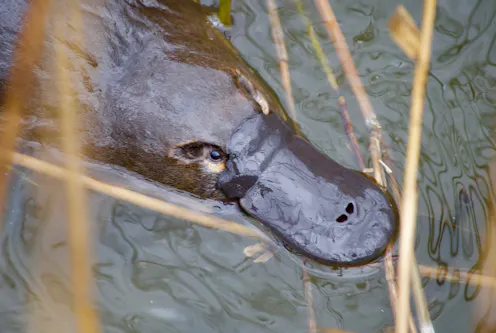
Platypuses are drowning in Australian waterways, tangled in fishing line and trapped in closed nets meant for freshwater crayfish or yabbies. But we can fix this.
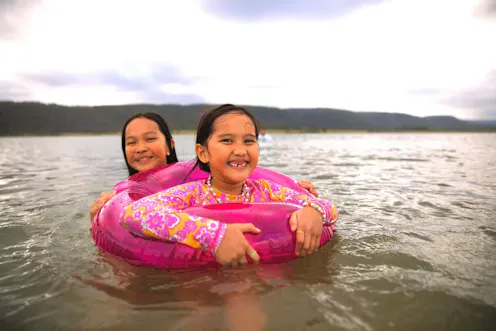
People love natural swimming spots, but it’s important to manage them well to protect both swimmers and the environment.
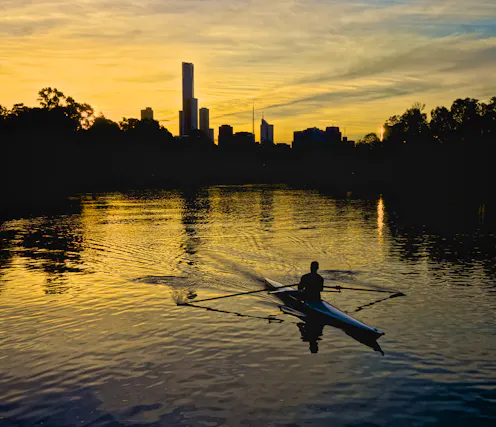
A new book delves into the species that live in, on and near Melbourne’s Yarra: from the millions of humans who rely on it for water to creatures such as owls, wallabies and flying foxes.
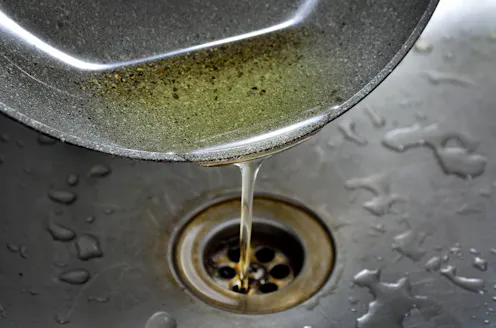
Pouring these products down the sink causes society-wide problems for the entire sewerage system and the workers who maintain it.
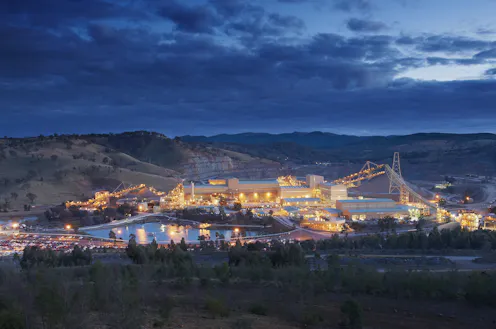
The action by the Environment Protection Authority follows alarming results from testing of rainwater tanks and the blood and hair of residents living near to the mine.
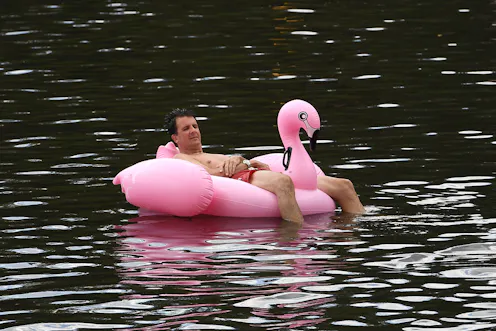
Ensuring a swimming site is safe is key to getting people using it. That means giving people timely information about water quality.

If you’re on holidays, the water may taste different. But is it safe to drink?
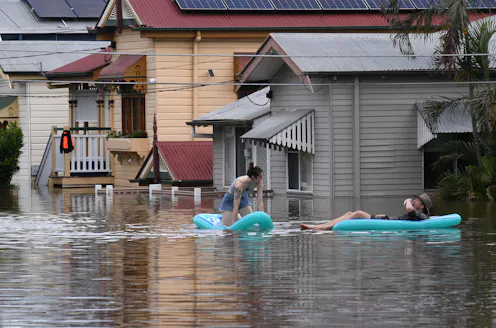
Ironically, excess rain can lead to a shortage of clean drinking water in times of storms and flooding.

For over 40 years, a coal mine on the outskirts of the Blue Mountains World Heritage area dumped poorly treated wastewater into the Wollangambe River. Finally, it’s on the road to recovery.
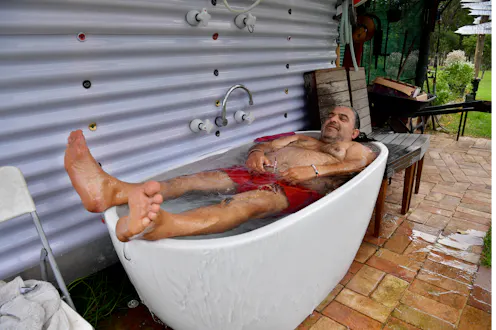
A draft plan for Sydney’s water supplies includes expanding desalination and potentially adding highly treated sewage to drinking water. All options must be on the table as the climate warms.
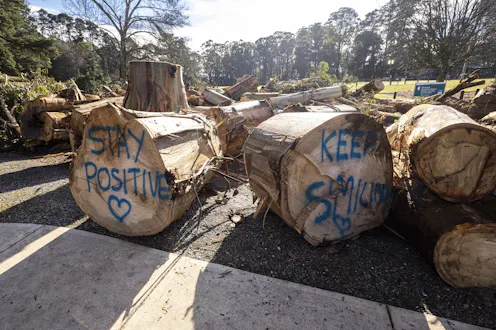
Three suburbs in Victoria have been warned against drinking tap water — even if they boil it first.
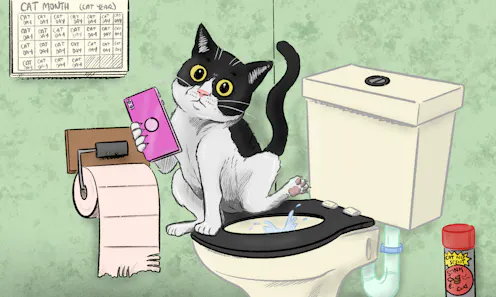
Don’t share your toilet with your pet, or treat your toilet like a flushable garbage bin. It could lead to dangerous diseases, and clog sewer pipes.
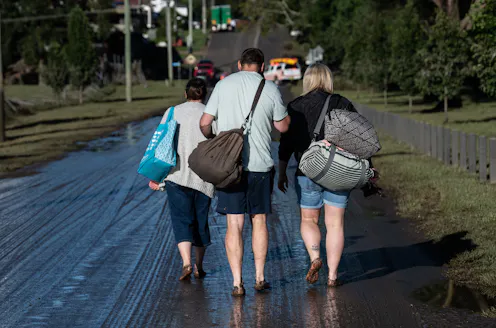
Many flood-ravaged homes have not been repaired, while others are infested with mould. Farmers are dealing with financial stress and the memories of livestock killed in traumatic circumstances.
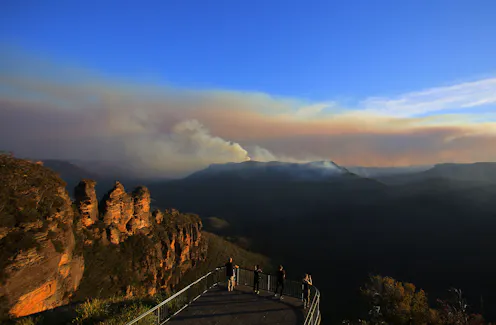
The official advisor to UNESCO rated the site as being of ‘significant concern’, a drop from ‘good with some concerns’. It’s now in the second lowest category.
Contact Ian for
- General
- Media request
- Speaking request
- Consulting / Advising
- Research collaboration
- Research supervision
- Location: Sydney, Australia
- Website
- X (formerly Twitter): @drianwright
- Article Feed
- ORCID
- Joined
