
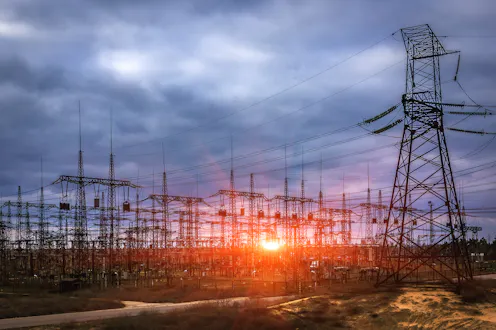
Australia is an exception among developed nations in having increased energy use per person since 2005. A new consultation paper offers hope of policies that can lift the nation’s energy performance.
- Honorary Associate Professor, Centre for Climate Economics and Policy, Australian National University
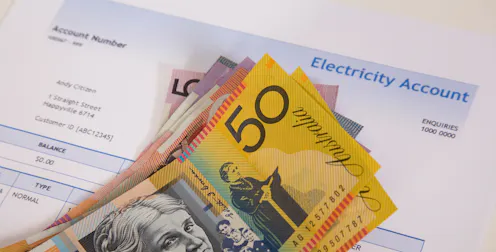
Australia’s wholesale electricity prices increased by 69% in the first quarter. But the competing claims about what that means are hard to decipher.
Renewables form an ever-greater share of the electricity mix. But elsewhere in the energy sector – in transport, industry and buildings – emissions reduction is very slow.
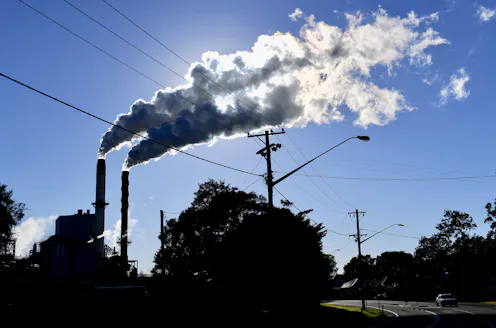
Better energy efficiency lowers electricity bills, manages energy demand and helps the climate. Unfortunately, Australia is going nowhere on this cheap, simple measure.
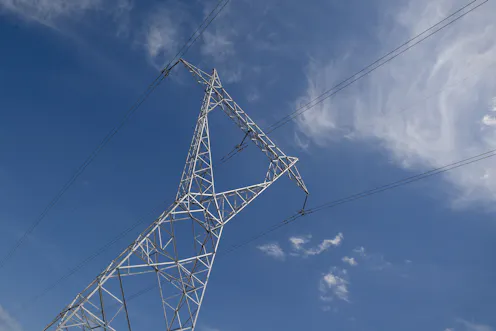
The final design of the National Energy Guarantee promises that the policy will drive down power prices. But there is precious little evidence for this assertion.
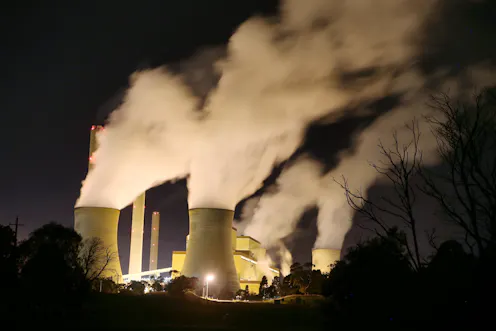
February is the riskiest time of the year for blackouts, as the nation returns to work and school and soaring temperatures put pressure on the system.
Much of Australia’s energy debate is centred around ‘models’ of various policies. But how do they work? And what can they really tell us?
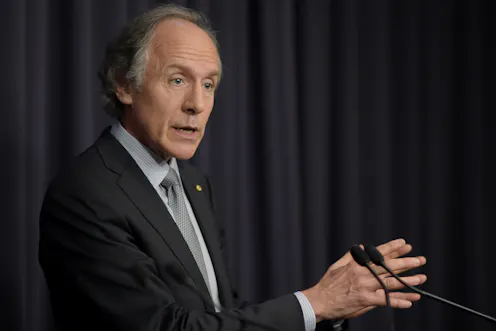
Chief Scientist Alan Finkel has attempted to address the energy ‘trilemma’: electricity that’s cheap, reliable and low-emissions. Has he succeeded? Our expert panel weighs in.
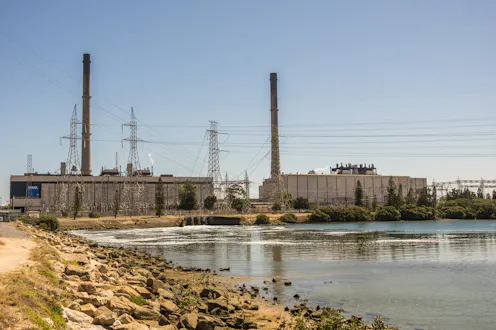
The federal budget will pump A$90 million into boosting domestic gas production, as well as investing in pumped hydro and measures to monitor energy prices.
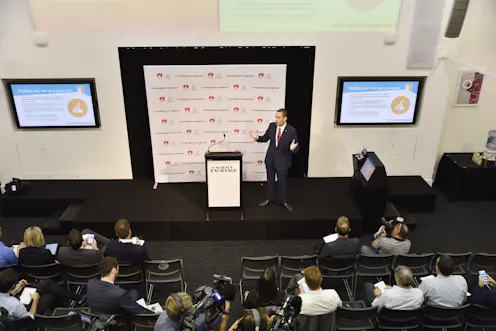
South Australia has unveiled its keenly awaited energy plan, featuring battery storage, a state-owned gas power station, and a thumb of the nose to the federal electricity rules.

As politicians debate the causes of South Australia's power failures, separating fact from rhetoric has become difficult.
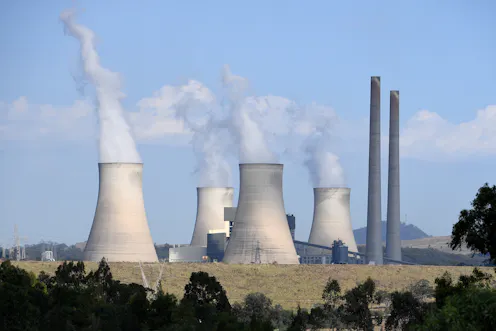
Here’s the real problem behind Australia’s electricity woes: the rules that govern decisions about what infrastructure to build, and when, are inflexible and outdated.
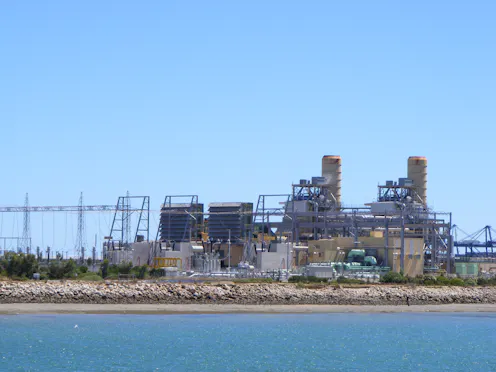
South Australia’s government was angry about the blackouts enforced by electricity regulators. But with much of the state’s gas power offline, the regulators had little choice.
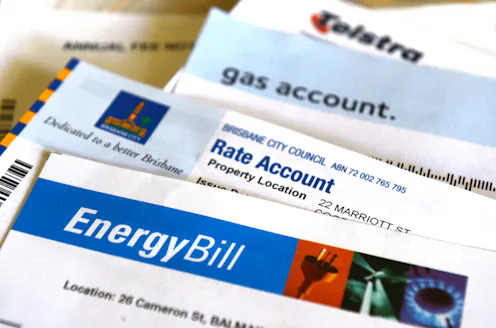
Electricity bills are set to rise further for households. But it’s just because power stations are closing.
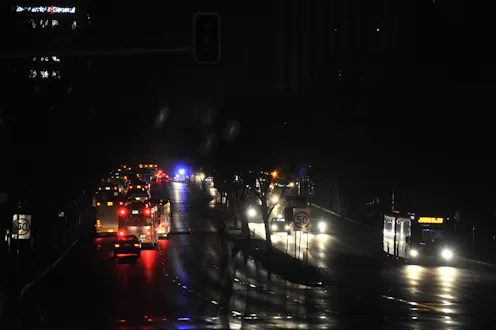
South Australia is recovering from a state-wide blackout, and fingers are pointing at the state’s renewable energy industry and climate change.
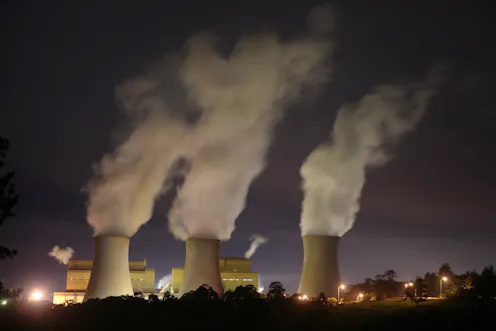
Environment and energy minister Josh Frydenberg said that eight out of Australia’s 12 most emission intensive power stations closed in the last five years. Is that right?
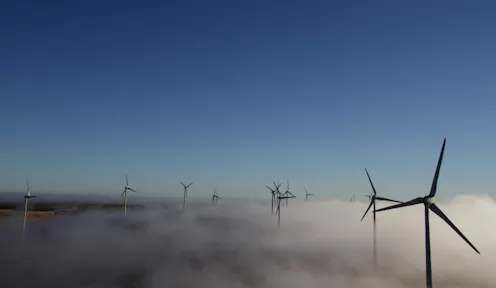
South Australia’s electricity price spikes during this month’s calm weather have been blamed on its reliance on wind turbines. But a bigger problem is the rising price of gas-fired power.
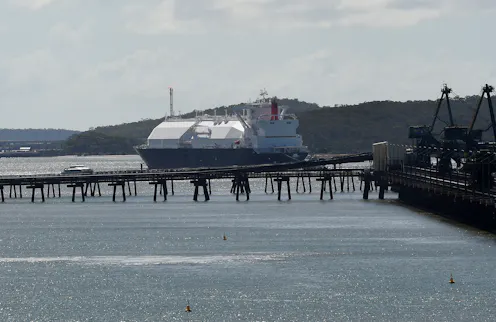
Over the past year Australia’s greenhouse gas emissions from electricity rose 2.7%.
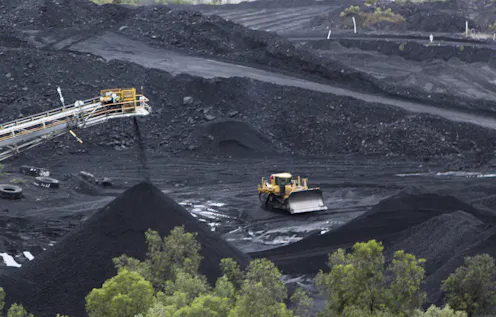
Australian Prime Minister Tony Abbott has said his government’s 2030 climate target will be good for the environment and jobs – and good for protecting the nation’s coal industry.
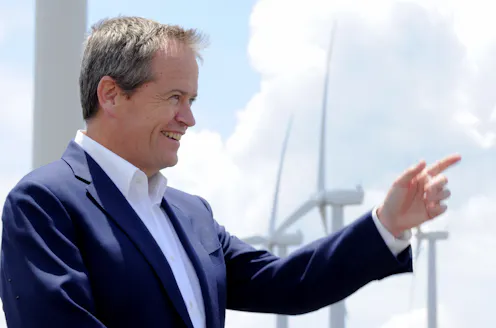
Labor’s plan to deliver 50% renewable energy by 2050 could add between $160 and $264 to annual household power bills. But this could be completely offset by better policies to encourage energy efficiency.
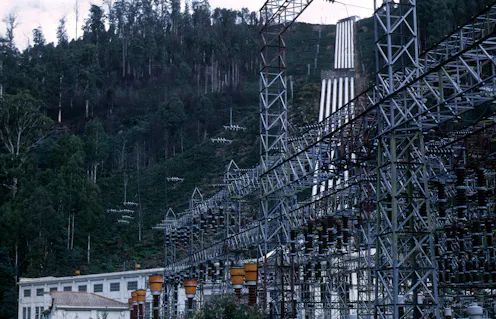
A year after the demise of the carbon tax, we might expect both coal and greenhouse emissions to have bounced back, at the expense of renewables like hydroelectricity. Sure enough, that’s what happened.
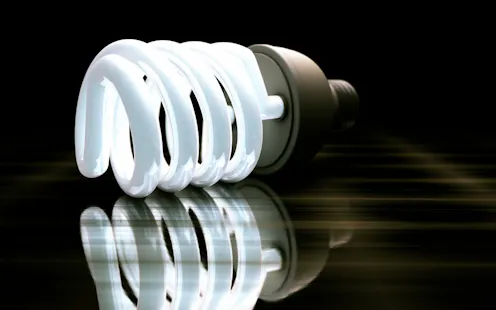
In June this year, forecasts revealed residential and business demand has risen for the first time in five years. The trend could be here to stay, according to a report released today from the Australia Institute.
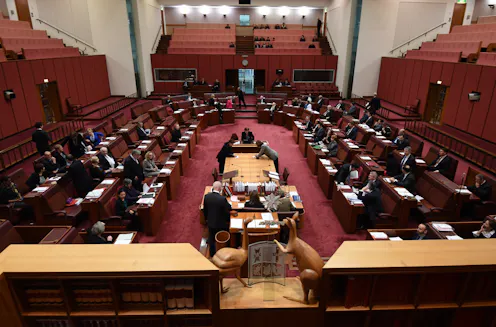
The government has succeeded in getting legislation passed to repeal the carbon tax, despite some last-minute doubts cast by the Palmer United Party’s temporary withdrawal of support last week. Today…
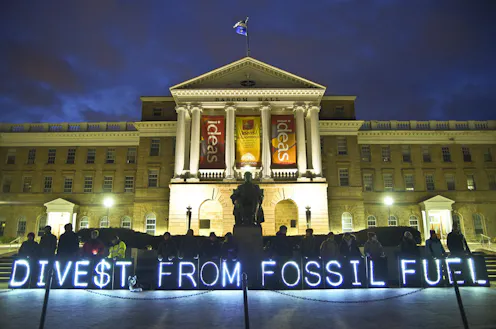
Divestment from fossil fuels, advocated by climate action campaigners such as Bill McKibben, is a blunt instrument for reducing carbon emissions, according to climate risk analyst Robert Litterman in an…
We now know that Treasurer Joe Hockey is not a fan of wind farms, on aesthetic grounds at least. On Friday he told Macquarie Radio’s Alan Jones he finds the view “utterly offensive” and “a blight on the…
Contact Hugh for
- General
- Media request
- Speaking request
- Consulting / Advising
- Research collaboration
- Research supervision
- Location: Canberra, Australia
- Article Feed
- Joined
