
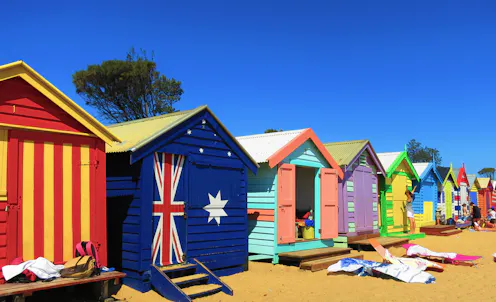
Every few years there’s a furphy that our beloved ‘Strine’ slang is doing a Harold Holt – but in fact Aussies are still slinging true-blue slang.
- Senior Lecturer in Linguistics, Monash University
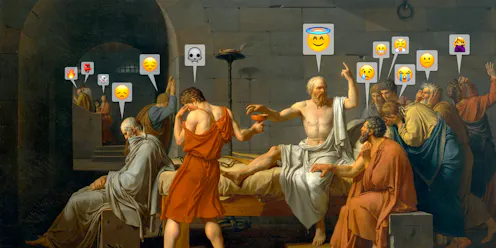
Whether politicians refer to ‘assisted dying’, ‘assisted suicide’ or ‘euthanasia’ tells us a lot about how they feel about the issue, and the emotional response they aim to convey.

Our drinking culture has brought some colourful phrases into the Australian vernacular.

If we’re serious about freedom of speech, we need a more open and respectful discussion about words that cause insult and offence.
Co-written with Kate Burridge Bill Shorten’s been telling us he wants to give Australians a “fair go”. Malcolm Turnbull has decried Labor for an “assault on the Australian spirit”. Of course, they’re not…

Scott Morrison would have us think politics is more war than performance whereas names like ScoMo tell us quite the opposite. When pollies, in the words of Paul Keating, “turn the switch to vaudeville…
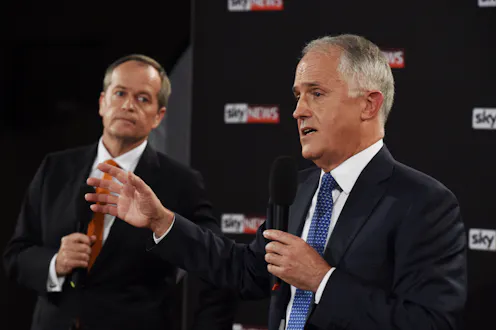
I would never claim to be a suppository of wisdom but speaking off script can get a pollie into trouble. And, well, look, shit happens in debates. This means it’s worth flagging some differences in the…
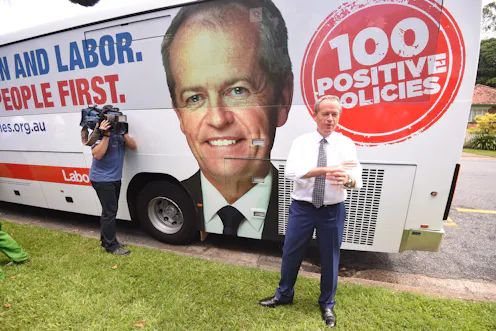
Co-written with Kate Burridge One of this piece’s authors (Howard Manns), a migrant, obviously struggles with English and literacy issues. He thanks his lucky stars that pollies speak to him in simple…
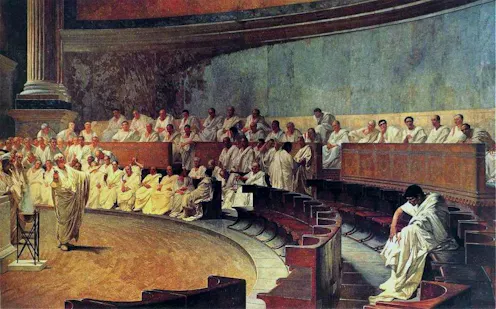
Many of the most commonly used election terms have a long linguistic history, stretching from ancient Rome to modern-day America and Australia.
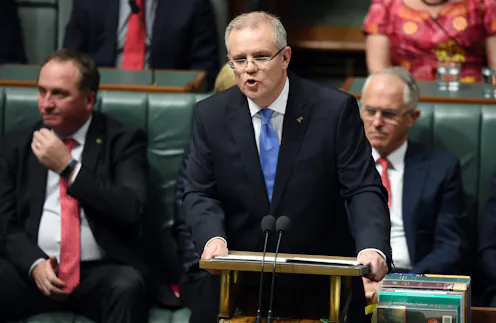
We all know about the ‘jobs and growth’, but there was also ‘tax’ and various forms of ‘new’ – read innovation – in this year’s federal budget.

The idea that the Australian accent may be the product of drunkenness in early European settlers is wildly speculative. And yet it has gained international attention in the past week. Why?
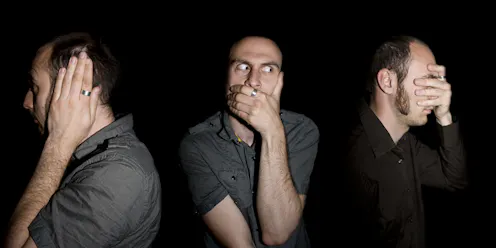
Within Australia, there has historically been a clear social distinction between Cultivated (British-oriented) and Broad or General, distinctly Australian ways of speaking.
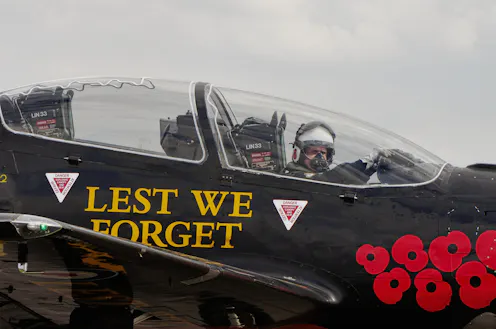
This Anzac Day the words “lest we forget” will often be spoken. It’s a usage that we don’t otherwise hear. Why do linguistic fossils such as “lest we forget” linger – and how do they help us remember the fallen?

The Macquarie Dictionary last week named “mansplain” its word of the year for 2014. The Dictionary defines mansplain as: verb (t) Colloquial (humorous) (of a man) to explain (something) to a woman, in…
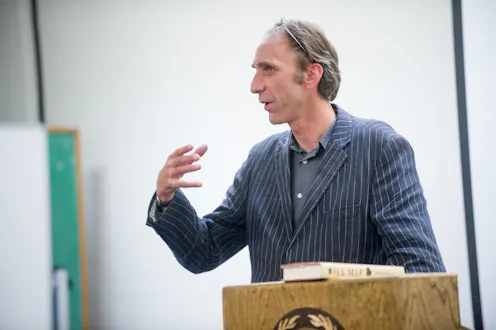
Writer Will Self grabbed headlines earlier this week by referring to George Orwell as the “Supreme Mediocrity”. He wrote: The curious thing is that while during the post-war period we’ve had many political…

Tony Abbott isn’t the first pollie to get into trouble with a wink. He’s now in good company with American Tea Party darling Sarah Palin. Palin’s notorious winks left voters in the 2008 American campaign…
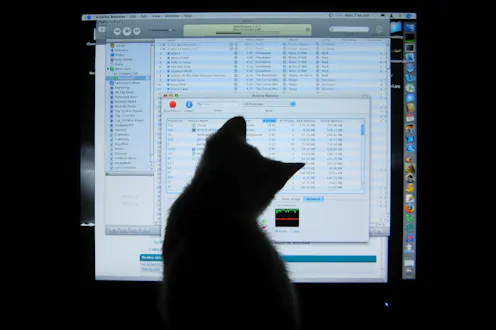
Each year the Macquarie Dictionary names a Word of the Year from a shortlist of words that have made a valuable contribution to the language. And it has declared 2013 to be the year … of … the … “infovore…
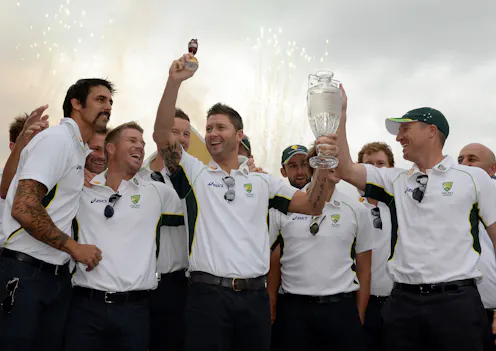
We could blame it on The Ashes. Last week, media outlets reported the Brits’ use of the Aussie accent might hurt their chances of promotion. But take a deep breath and two steps back from the 24-hour news…
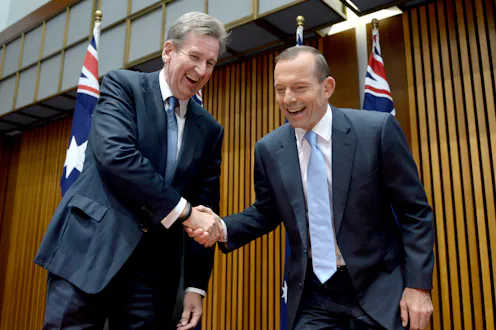
In 2005, Parliament House’s security guards were banned from using the address term mate. This decision was quickly rescinded when talkback got wind of the ban. The objection? “This is Australia, mate…
