

If an older person believes dodgy health advice on social media, it’s easy to blame their age. But we’re all susceptible.
- Professor, School of Population Health, UNSW
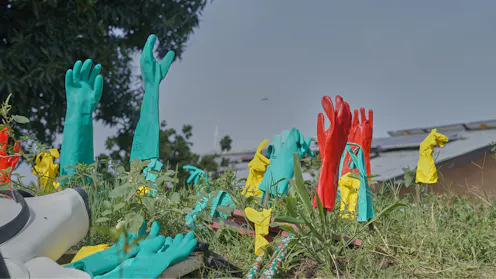
Distrust in health care during infectious disease outbreaks can have devastating consequences. Here’s what we can do about it.
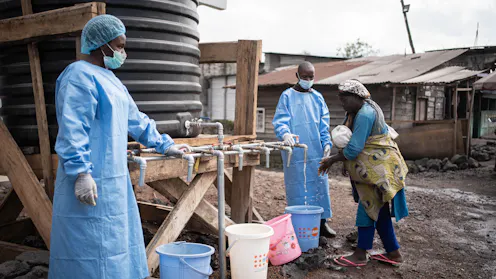
Three experts explain how the rare Bundibugyo strain of Ebola may have crossed continents.

While the inquiry gets most things right, as vaccine experts, we argue the government response should be broadened in three areas.

Expanding the places people can get a flu vaccine could help.

Catch-up vaccinations are free. These hints and tips will help you get started.
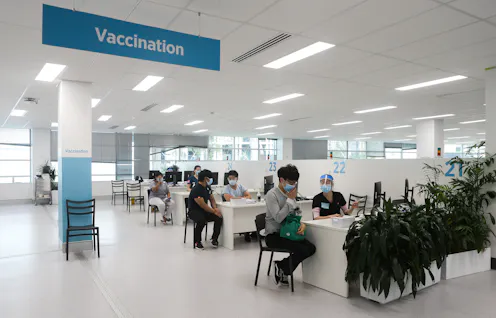
A review of COVID booster acceptance statistics suggests we may be unlikely to see coverage go much beyond 80% – but we can still learn from others’ mistakes when it comes to health messaging.
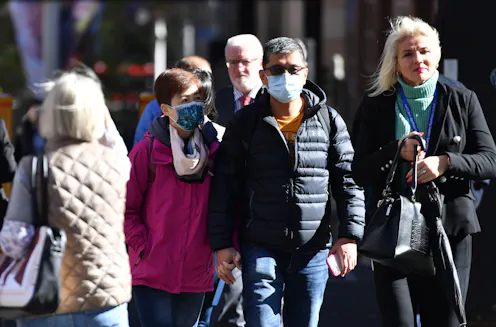
If our immunity from COVID vaccines is waning, then wearing a mask to prevent infection is even more valuable. But not many people seem to be thinking that way when they’re out and about.
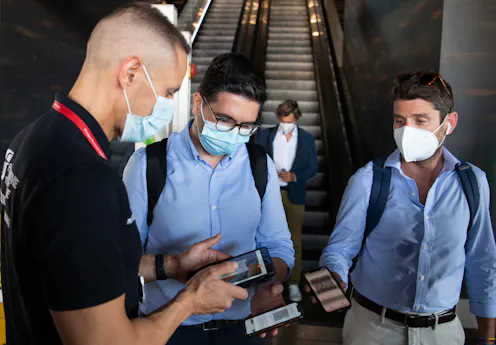
Many countries are winding back COVID-19 restrictions, but governments should be continuing to promote the importance of voluntary mask use and catching up outdoors.

If what you’re reading seems too good to be true, it probably is.

The arrival of the highly infectious Omicron variant has changed the COVID landscape in Australia. We asked 5 experts whether it’s time to rethink vaccine mandates for dining, fitness and events.
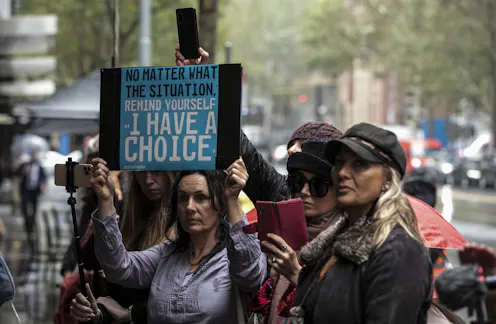
Emotive claims, like COVID vaccination being unethical or coercive, are more likely to be shared on social media. But we can fight back.
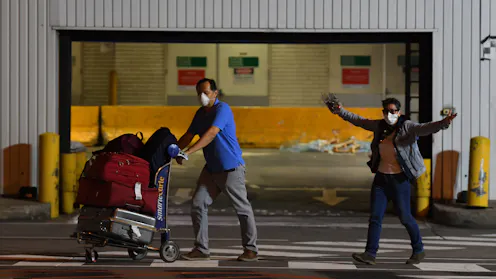
As we begin to emerge from restrictions, there are many things the federal government could do to improve the conditions for those stranded, and speed up their return home.

‘Racism and misogyny are part of it. They simultaneously spruik pseudoscience and anti-science agendas which have come to Australia from overseas,’ said one expert.
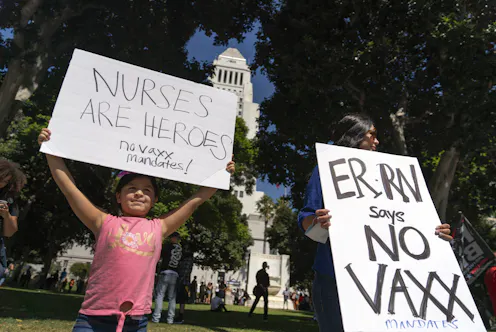
While the vast majority of health workers are prepared to accept COVID vaccinations, we need to make sure the concerns of the minority are heard and don’t compromise safety.
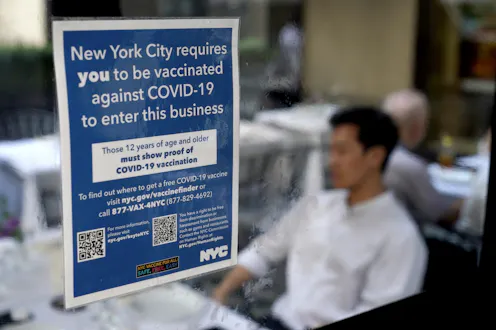
If staff enforce the rules, they risk harassment and lost tips. But if they overlook unsafe behaviour, they risk further COVID transmission.
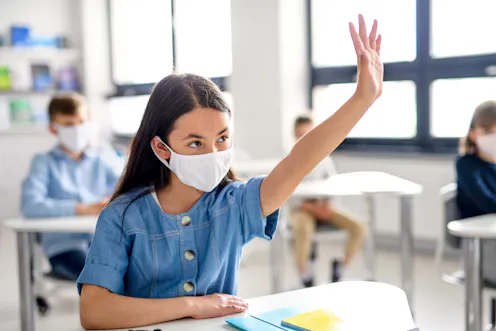
Most kids will be unvaccinated if schools in the two largest states re-open in term 4. There may still be community transmission, but there are measures we can take to shield kids from the virus.

Do you actually need compulsory vaccination at your workplace? And if you do, as a last resort, how do you make mandates fair?
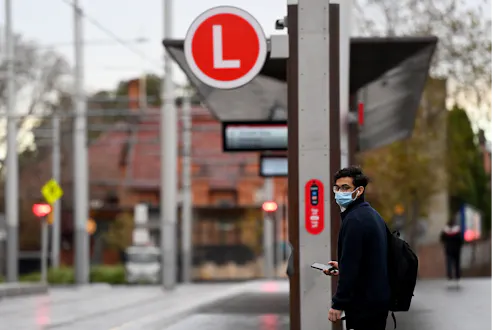
In Hong Kong, SARS created a new social norm, where people accepted mask use as part of their ‘civic responsibility’.

The federal government has announced COVID-19 vaccination will now become mandatory for aged-care workers. This comes amid a slow and troubled rollout in the sector.
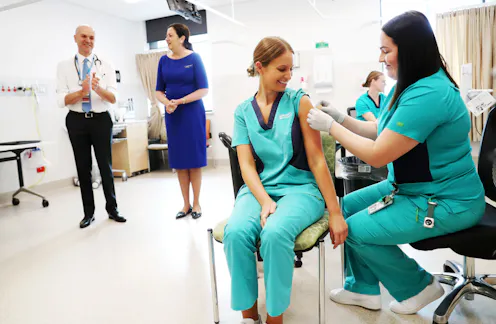
If new incentives don’t work, mandatory policies may be the only way forward in ensuring high COVID vaccine coverage of staff.

Community leaders or trusted work colleagues can be COVID vaccine advocates and help boost vaccination rates. Here are some simple steps they can take.
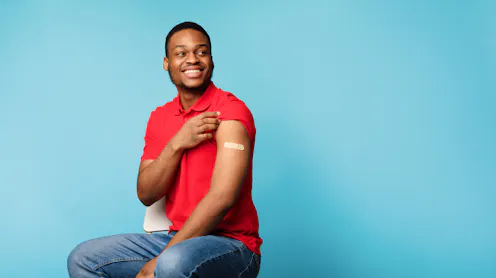
Our well-meaning efforts to use images to help demystify the vaccination process or share our pride in getting a COVID vaccine can backfire.
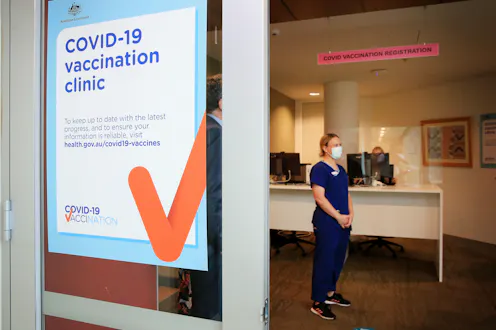
Our new research found gaps in COVID information available to culturally and linguistically diverse communities. But there are ways we can improve — because community ownership is crucial.

Achieving high COVID-19 vaccine uptake among health workers will not only protect these critical staff members, it will also support high levels of uptake among the general public.
Contact Holly for
- General
- Media request
- Speaking request
- Consulting / Advising
- Research collaboration
- Research supervision
- Location: Sydney, Australia
- Website
- LinkedIn: Holly Seale
- X (formerly Twitter): @hollyseale
- Article Feed
- Joined
