
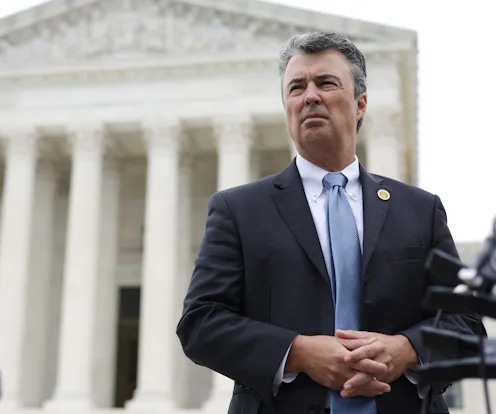
Since 2020, Alabama lawmakers have failed to draw political districts that give Black voters an equal chance of selecting political candidates that represent their interests.
- Professor of Law, University of Richmond
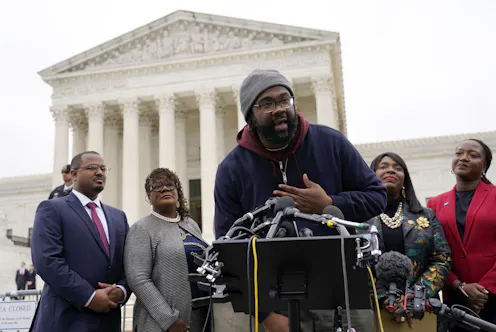
Since 2020, Alabama lawmakers have failed to draw political districts that give Black voters an equal chance of selecting political candidates that represent their interests.
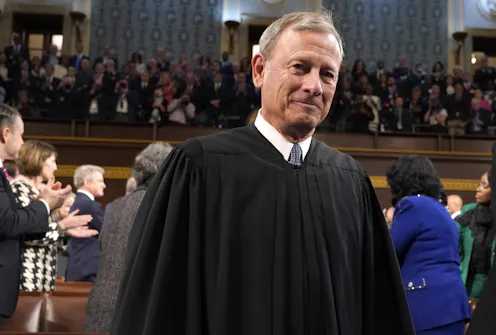
Two Supreme Court rulings on the use of race appear at odds with each other. Blame Chief Justice Roberts’s ambivalence on race, a constitutional law scholar writes.
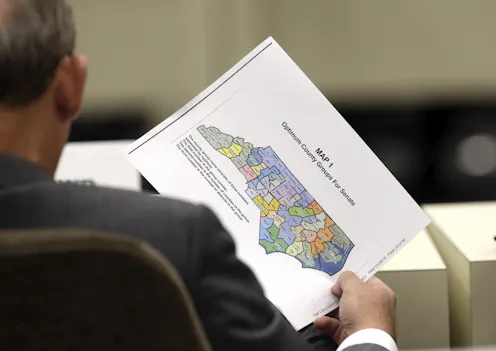
It’s official: State courts can review lawmakers’ election-district boundary decisions to ensure they comply with state law.
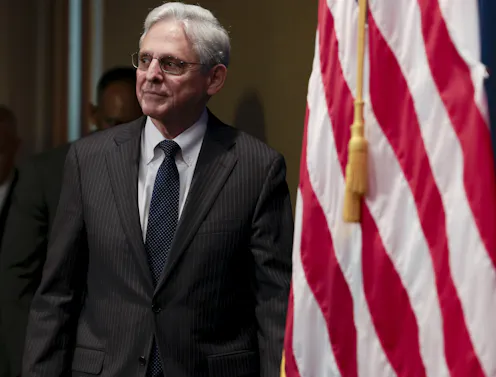
A department rule advises federal law enforcement officials to refrain from making public comments about ongoing investigations that may impact an election in the 60 days leading up to that election.
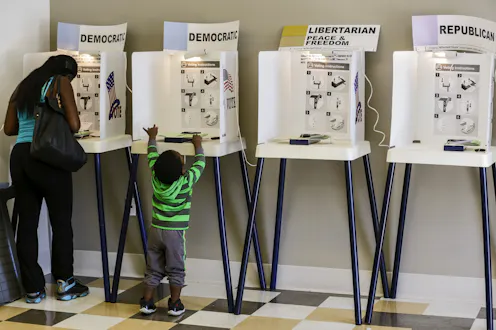
A doctrine embraced by some conservatives could be adopted by the US Supreme Court. And if the court does, Americans’ political power will be dramatically limited.
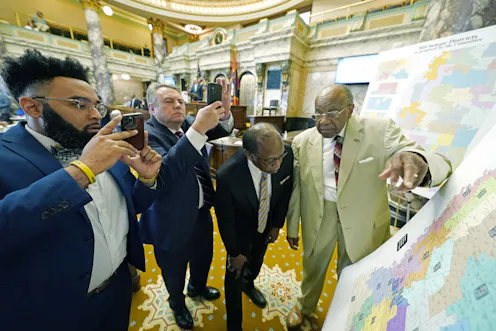
A ruling by the US Supreme Court to allow unlawful maps to be used in the midterm elections will affect who gets elected to the House of Representatives and may determine control of Congress.
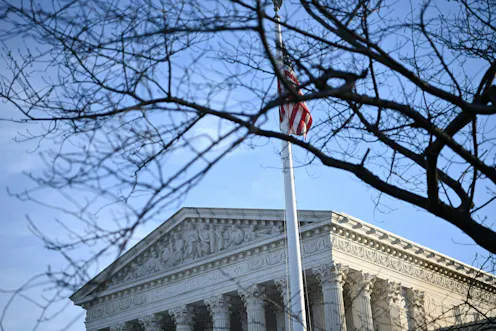
Justices declined GOP requests to block court-approved congressional maps in North Carolina and Pennsylvania. But justices punted a bigger question over the role of courts until after the midterm elections.
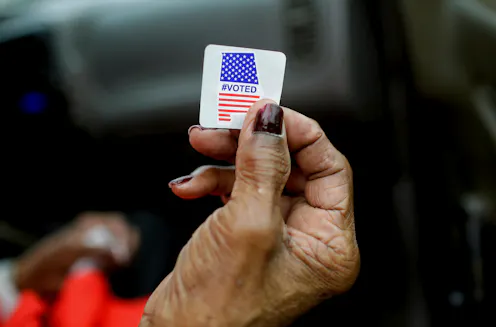
Alabama will be allowed to keep a congressional map that critics say disadvantages Black voters. That does not bode well for 2022 midterms, argues a law scholar.
Contact Henry for
- General
- Media request
- Speaking request
- Consulting / Advising
- Research collaboration
- Research supervision
- Location: Richmond, Virginia, U.S.
- Article Feed
- Joined
