
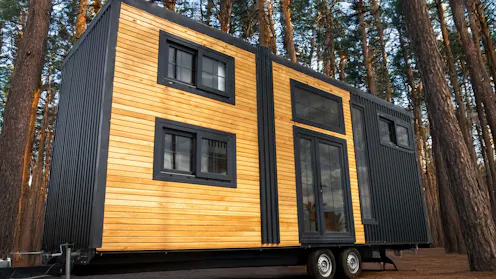
Tiny houses can normalise smaller, more sustainable living. So why are some owners facing eviction?
- Lecturer in GIS and Planning, Griffith University
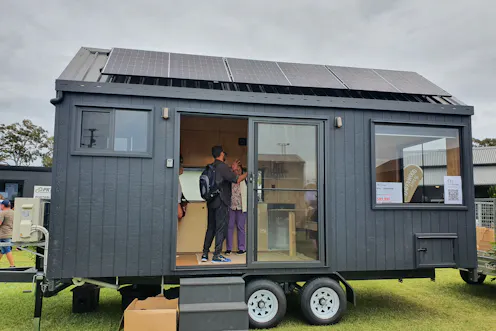
Despite a common belief that councils won’t approve tiny houses and modular and container homes, early findings from a national survey suggest planners are increasingly open to these housing options.
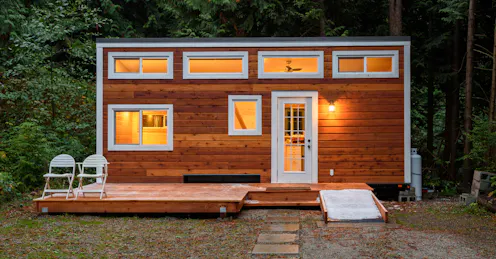
Relaxing restrictions on small and non-traditional houses can help to increase the supply of affordable rental housing.
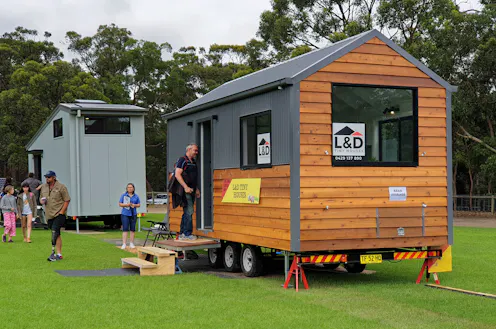
The proportion of people actually living in tiny houses hasn’t been increasing but the movement has prompted debate about living smaller and more sustainably.
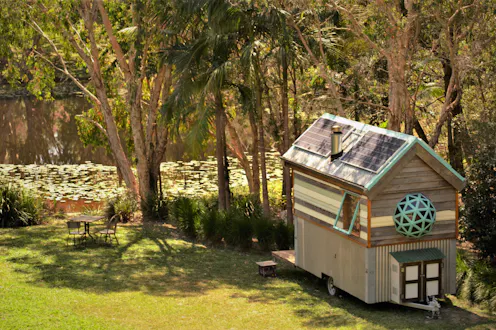
People are increasingly becoming interested in the tiny house trend, but what type of tiny house would suit your needs?
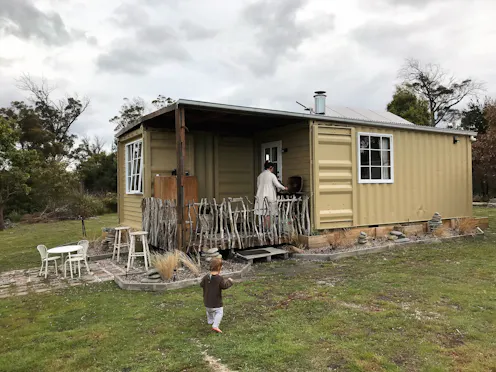
Tiny houses aren’t for everyone, but most people who live in them are positive about the experience. Yet planning laws still make this way of life harder and less secure than it could be.
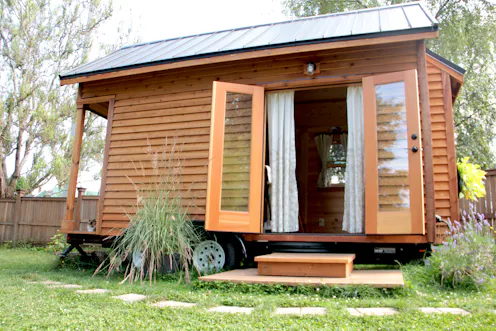
New research has found a marked increase in people, particularly among women over 50, who are building or want to build a tiny house. However, inflexible planning rules often stand in their way.
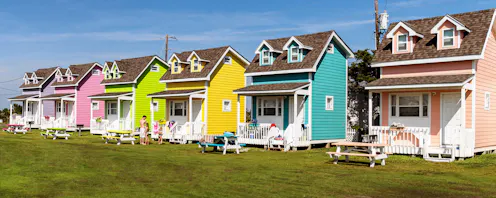
Already common in the US, the tiny house movement has the potential to take hold in Australia, but only with help from urban planners and regulators.
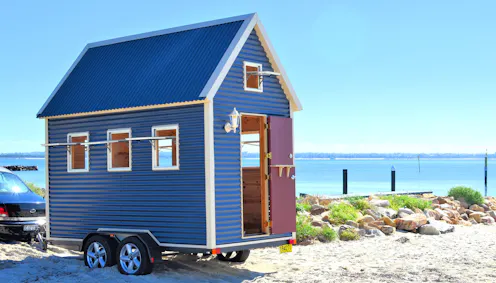
A small group of people is gathered around a campfire in a Victorian State Forest. Members of the Tiny Houses Australia community, they’re attending a Spring Camp to talk about how to build a tiny house…
Contact Heather for
- General
- Media request
- Speaking request
- Consulting / Advising
- Research collaboration
- Research supervision
- Location: Gold Coast, Australia
- BlueSky: @https://bsky.app/profile/heather-sea55.bsky.social
- LinkedIn: heather-shearer-6654a64/
- YouTube: @spatialanalysisvideos8828
- Article Feed
- ORCID
- Joined
