
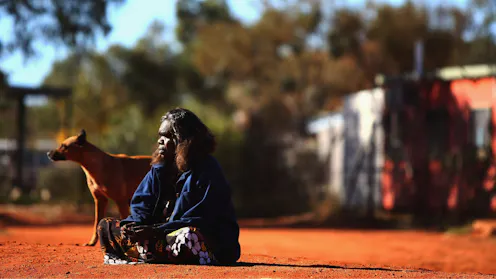
In inquiries and reviews, governments endlessly ask Indigenous communities what should be done, but rarely act on it. It’s time that changed.
- Professor of Law and Deputy Director of the Centre of Excellence for the Elimination of Violence Against Women (CEVAW), The University of Melbourne

Politicians from the two major parties have suggested adopting laws similar to those in the United Kingdom, but enforcing them would be challenging.
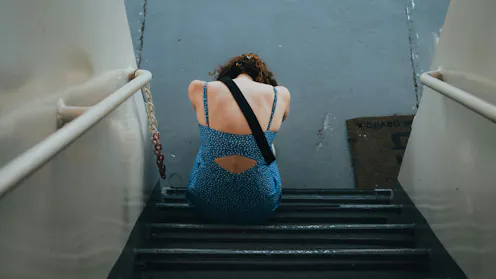
For victim-survivors, court orders can help save their lives. But the system can be messy, open to abuse and the orders aren’t always enforced.
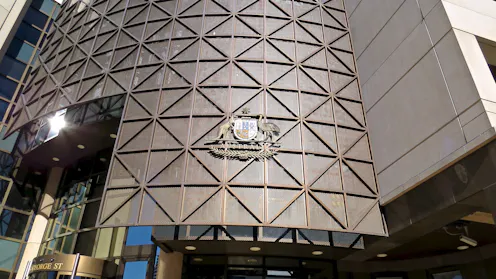
Distrust, systemic racism and fear all drive First Nations families away from using the court.

Le « choking », qui consiste à exercer une pression sur le cou, lors d’une relation sexuelle, se répand chez les jeunes. Même entre partenaires consentants, cette strangulation présente des risques.

Around half of young Australians have engaged in strangulation during sex. But it’s dangerous, even with consent.

A survey of thousands of young people has revealed choking during intercourse is more common than not. A third of people said they were first made aware of the practice as teenagers.

The Victorian parliament has introduced a bill to criminalise non-fatal strangulation – but consent could be a defence.

The threat of fire and burning as a tool of family violence isn’t routinely assessed and addressed in Australia.
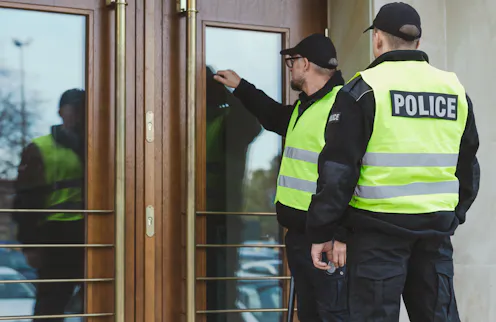
Plans have been made for the AI-based program to begin trials before the year ends. But it raises serious questions about the role of police in preventing domestic violence.
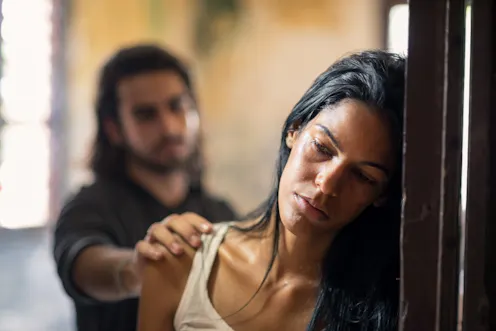
This week, Victoria has joined several other states and committed to introducing a non-fatal strangulation offence. This move will change the way domestic abusers are prosecuted.

With few contacts and no independent income, migrant women experiencing domestic violence can become further isolated from support by abusive partners controlling their access to technology.
A new study in Queensland shows that Aboriginal and Torres Strait Islanders are far more likely to be targeted by domestic violence protection orders than the general population.
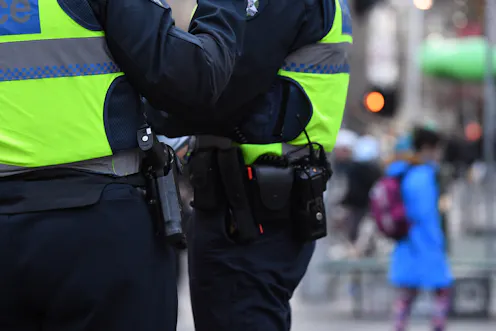
A Victorian woman claims police were negligent in failing to prevent breaches of protection orders against her ex-partner – a case that may open up new legal avenues in domestic violence cases.

In the last few years, significant resources have been devoted to changing attitudes towards domestic violence – so why aren’t the numbers going down?

Can we use smart home data to better identify and report abusers, while protecting victims of domestic and family violence?

Has the Coalition government cut $35 million from frontline legal services for victims of domestic and family violence?

Police are entrusted with enforcing the laws against domestic violence – the same laws that some are breaking in their own relationships.

Abortion is a safe medical procedure, yet half of Australian women may have difficulty accessing a termination because they live in states and territories that designate it a crime.
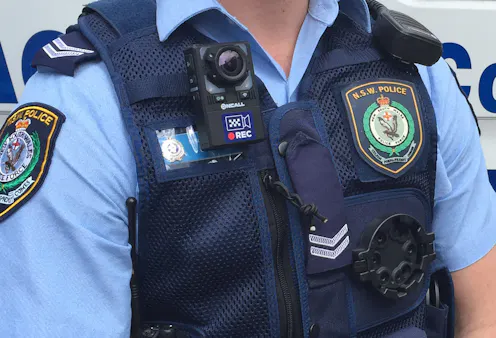
Police-worn body cameras could be a helpful tool for law enforcement in cases involving domestic violence. But they could also have unintended consequences.
Contact Heather for
- General
- Media request
- Speaking request
- Consulting / Advising
- Research collaboration
- Research supervision
- Location: Melbourne, Australia
- Website
- BlueSky: @hdouglas-law.bsky.social
- LinkedIn: heather-douglas-06a90730a
- X (formerly Twitter): @HDouglasLaw
- Article Feed
- ORCID
- Joined
