
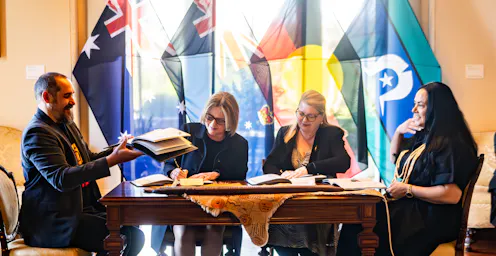
The signing of Australia’s first treaty may be a turning point not just for Victoria but the beginning of a new chapter in Australia’s history.
- Associate Professor, UNSW
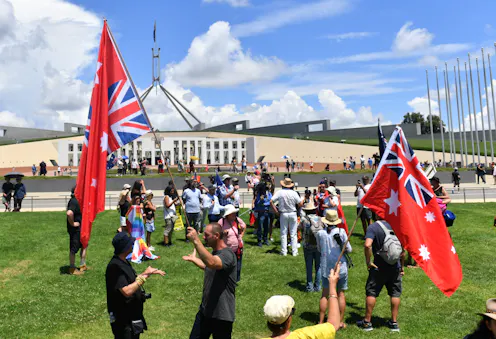
Pseudolaw looks a bit like law. It uses legal texts and sounds like something a lawyer might say. But it does not follow normal legal rules. So where did it come from, and why it is so worrisome?
The national focus on the Voice to Parliament referendum diverted attention from state-based Treaty processes currently happening across the country.
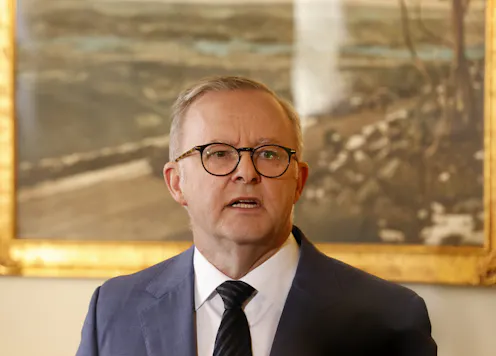
The solicitor-general said the model is compatible with responsible government, and an ‘enhancement’ of the system.
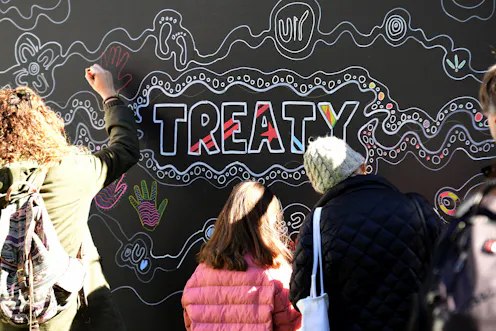
Indigenous people have been calling for a treaty for generations. But what would it actually look like and what would it do?
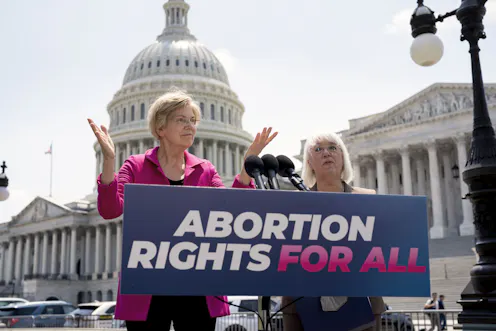
Are the same forces that threaten the right to abortion in the United States coming to Australia?
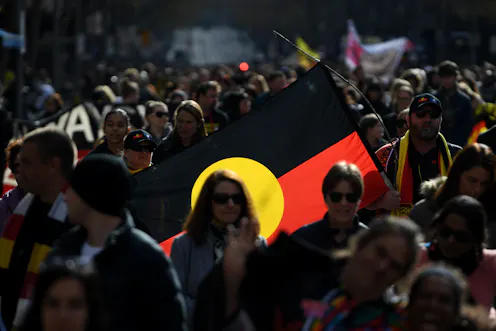
Putting the Voice to Parliament in the constitution is not only workable within Australia’s parliamentary system, it is key to its success.

El Salvador’s president Nayib Bukele wants to build “Bitcoin City” – a tax-free territory in the country’s east, powered by a nearby volcano.
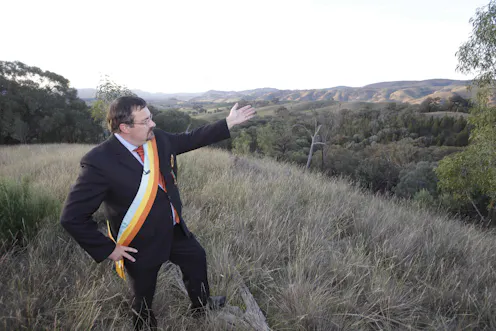
People create their own micronations out of protest, art and eccentricity. For ‘larrikin’ Australians, the prospect is particularly tempting.
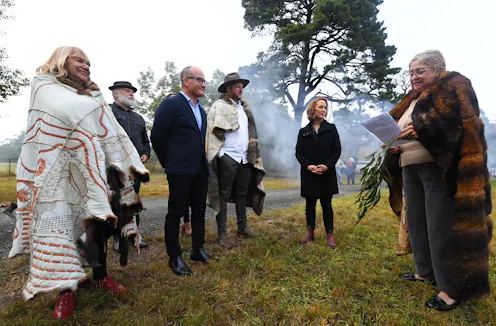
Today marks a first for Australia: a truth-telling process to begin answering for the abuses and injustices suffered by Indigenous people. Victoria’s commission can be a model for the nation.
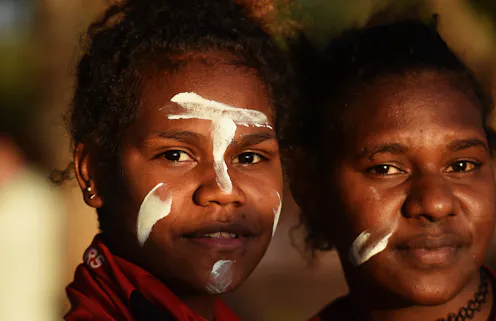
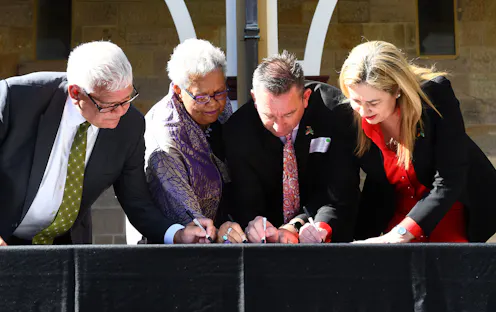
Queensland has become the latest state or territory to embark on an Indigenous treaty process. But for lasting progress to be made, the federal government cannot shirk its responsibility.
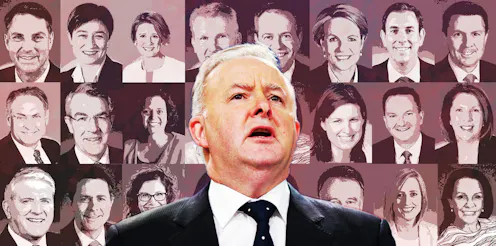
From Bill Shorten to Kristina Keneally, our experts break down Labor’s new shadow ministry – who’s in, who’s been promoted, and who faces the greatest challenges in their new roles
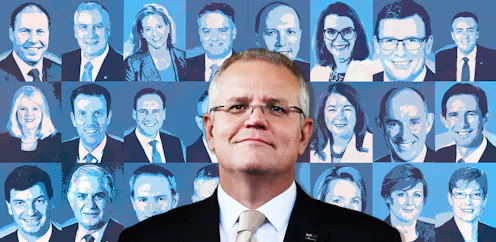
Scott Morrison’s new ministry includes a few new faces and several new roles for familiar cabinet members. Our experts take a closer look at each portfolio.
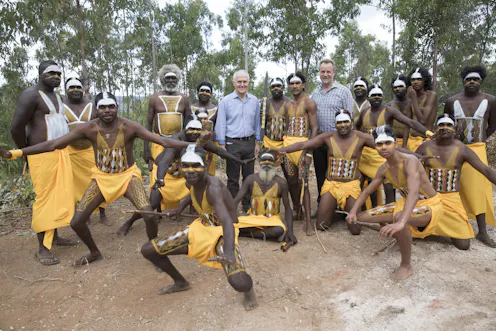
The rejection of the Referendum Council’s Report has derailed Indigenous constitutional recognition. Treaties at the state and territory level offer a clear path forward for meaningful reform.
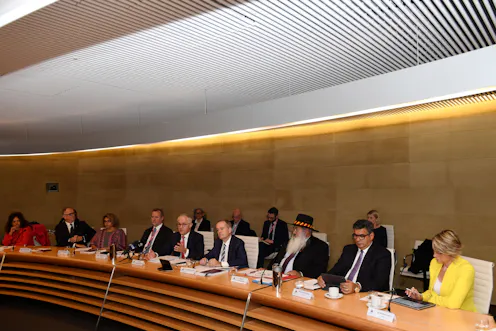
Implicit in Malcolm Turnbull’s and Bill Shorten’s arguments that an Indigenous ‘voice to parliament’ would be a big change is the notion that it may be too difficult.
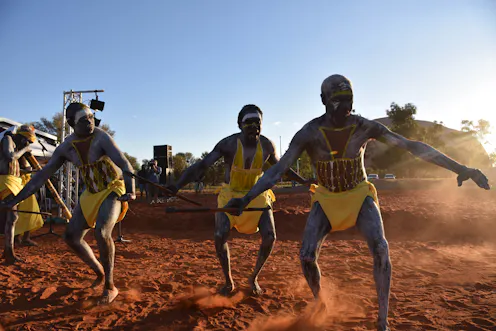
Indigenous Australians have issued a statement calling for constitutional reform that is substantive and meaningful.
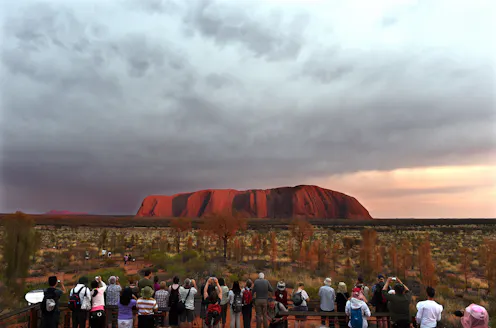
At Uluru, Indigenous representatives from across Australia will aim to reach consensus on what constitutional recognition means to them.
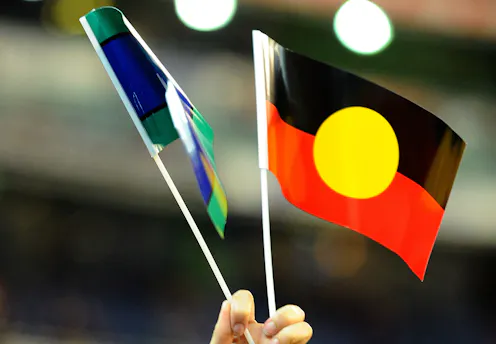
No treaty between Indigenous and non-Indigenous Australians has ever been recognised, but developments at the state level suggest this may soon change.
Contact Harry for
- General
- Media request
- Speaking request
- Consulting / Advising
- Research collaboration
- Research supervision
- Location: Sydney
- Website
- Article Feed
- ORCID
- Joined
