
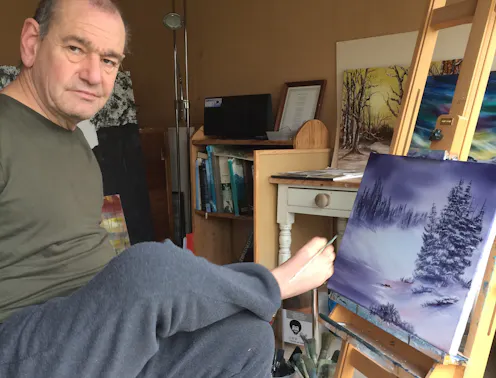
Ultra-clear maps of individual toes were found in the brains of two foot painters – these are not found in typically developed humans.
- Postdoctoral Researcher in Cognitive Neurosciences, The University of Queensland

New research involving temporary ‘finger amputations’ raises hope for more effective stroke rehabilitation.
Penglihatan bukan indra yang paling penting.
Would you rather lose your sense of touch or your vision? Here are the pros and cons of each, according to science.

New study sheds light on the mystery of how people can experience and control phantom limbs decades after losing a body part.
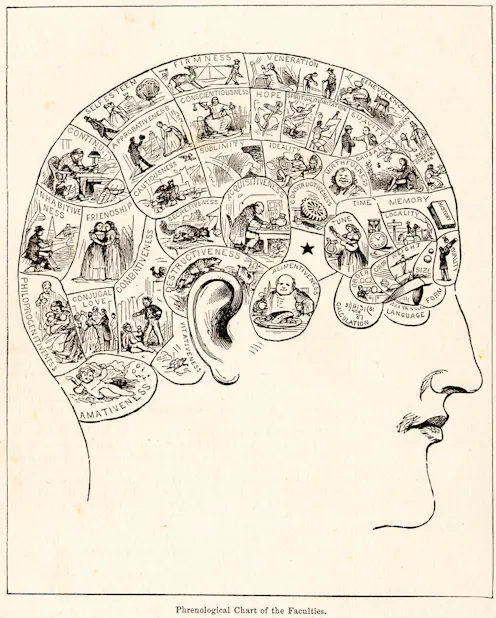
The Victorians believed that the shape and size of the skull could reveal details about a person’s demeanour. Now it’s been put to the test.
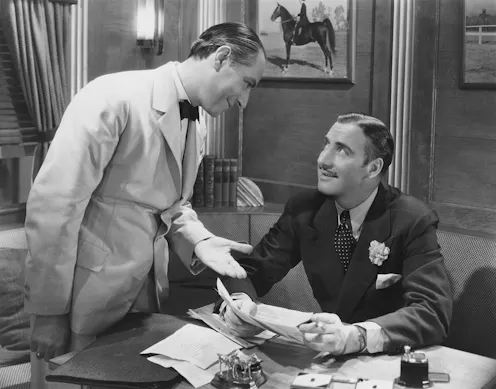
Five tricks that might help you get what you want from others.

We can see at a finer resolution than the spacing between individual photo-receptors in the eye – and it’s all down to our brains.
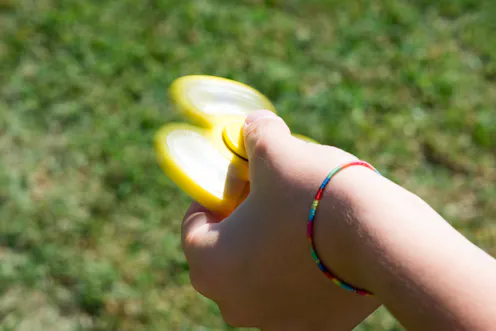
There can be benefits to fidgeting, such as boosting attention or helping you burn up to 800 extra calories a day. But it comes at a cost…
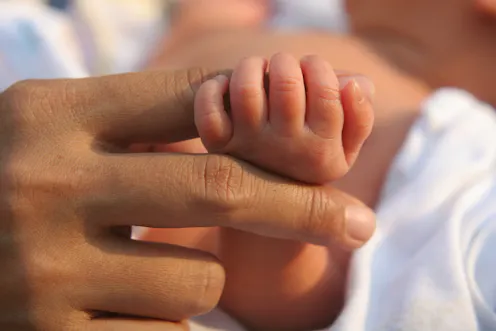
New research underscores the importance of positive touch in infancy.
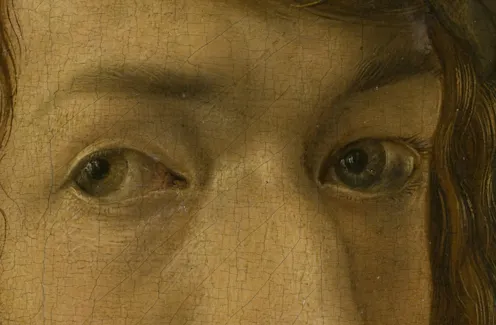
Vous en êtes sûr et certain : cette personne, derrière votre dos, vous fixe du regard… Une étrange sensation examinée de près par les scientifiques.
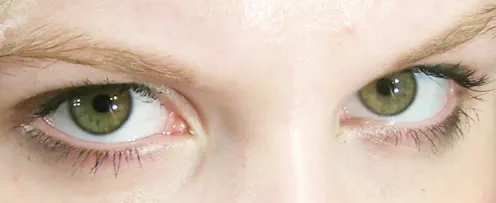
Is someone looking at you or are you just imagining things? A neuroscientist explains.
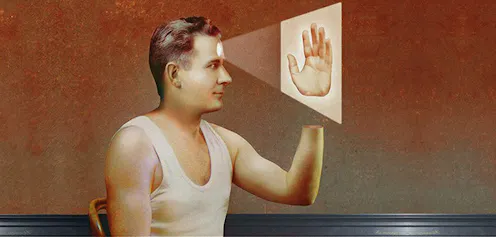
Even decades after amputation, the brain is still structured as if the hand were there, casting new light on ‘phantom limb’ phenomenon.
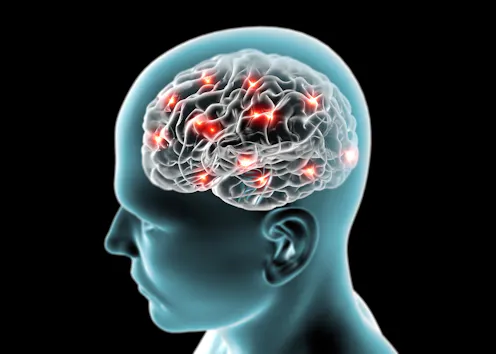
The theory of antimemories could help explain many cognitive problems in the brain such as autism and schizophrenia.
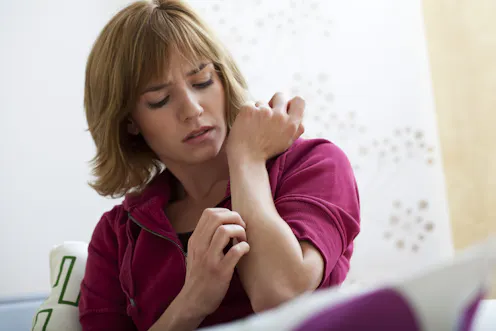
Scientists have long struggled to explain what actually causes the sensation of itching – now we know what to blame.
Contact Harriet for
- General
- Media request
- Speaking request
- Consulting / Advising
- Research collaboration
- Research supervision
- Location: Brisbane, Australia
- Website
- X (formerly Twitter): @DrHarryDJ
- Article Feed
- ORCID
- Joined
