
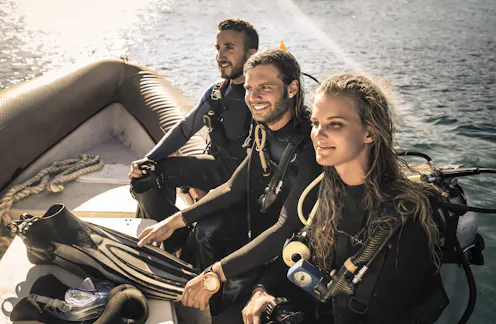
Growing awareness of sexual harassment and discrimination in the field prompted an international survey and research into potential solutions.
- Associate Professor in Coastal and Marine Science, University of Newcastle
From a shipwreck to ancient dunes, these researchers created 3D visualisations of seafloor features around Australia – from as shallow as 22 metres to depths of over 4.8 kilometres.
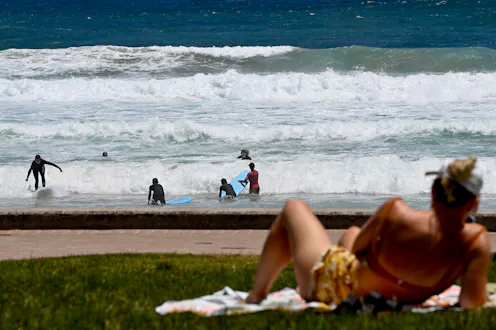
Australians tend to be fairly relaxed about the tsunami risk. But warnings from authorities to stay away from foreshore areas should not be ignored.

Australia has thousands of beaches which differ greatly, from huge tides to high energy to recurring sinkholes.
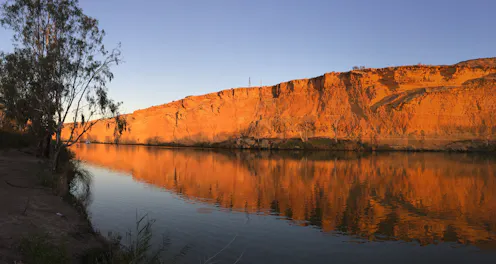
The findings point to how Australia’s most important river system might be altered by future sea level rise.
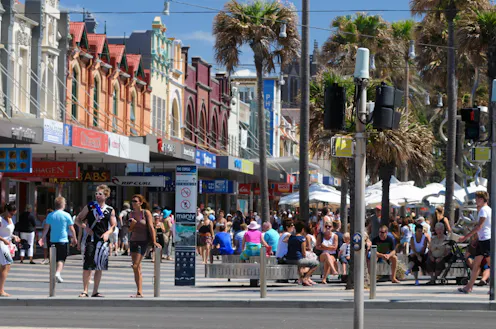
To stay safe in a tsunami, remember that the sequence of waves may occur over hours to days, and the biggest wave in the sequence could occur at any time.
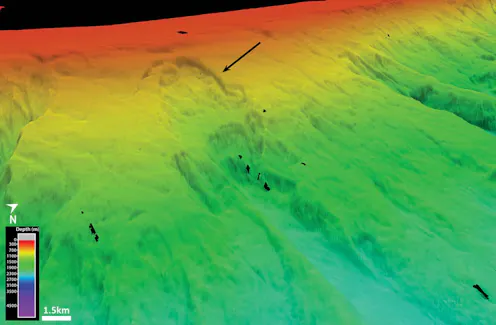
The ocean floor off Australia’s east coast bears the scars of numerous subsea landslides, which have potentially triggered tsunamis over the past several millennia.
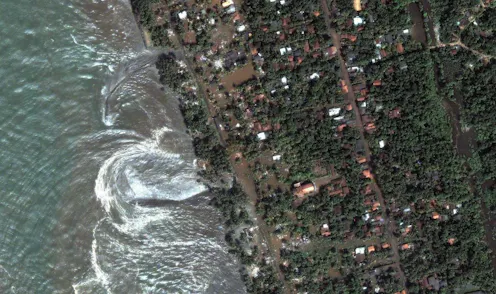
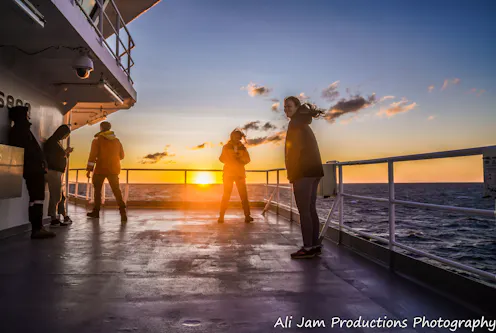
Australia is surrounded by ocean, so is not immune to the effects of tsunamis. But how significant is the risk?
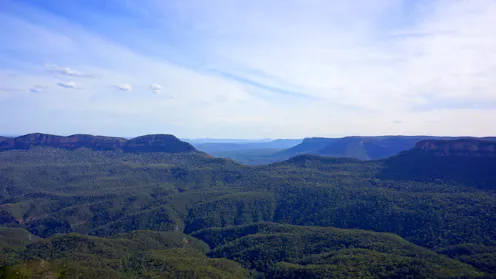
Since the 1960s, environmentalism in Australia has largely focused on defending “wilderness”. However, protected areas in themselves are not stemming the destruction of biodiversity.
Contact Hannah for
- General
- Media request
- Speaking request
- Consulting / Advising
- Research collaboration
- Research supervision
- Location: Newcastle, Australia
- Website
- X (formerly Twitter): @DrHannahPower
- Article Feed
- ORCID
- Joined
