

A new book documents how young people in an informal settlement on the outskirts of Johannesburg use social ties to find ways of making a living.
- Associate professor, University of Johannesburg
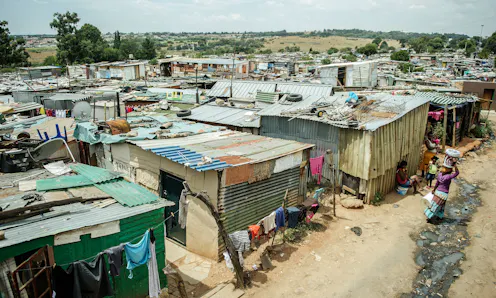
Rejecting precarious work signals dissatisfaction with a labour market where wage employment rarely offers security or social mobility.

Many African countries have a major youth unemployment problem. More must be done to create jobs and help young people develop the right skills.
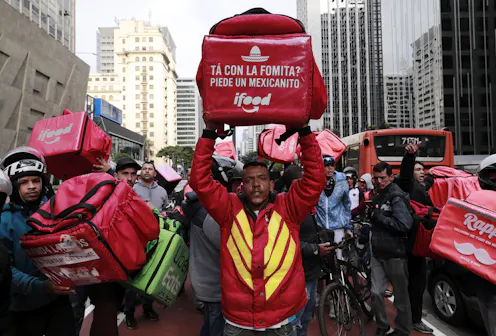
Digital platform work is often seen to suit workers’ skills, interests and schedules. But it comes at a cost to their economic security and control over the work process.

The narrative of the Fourth Industrial Revolution is more aspiration than reality.

Recent developments in the organisation of production have led to the decline of wage employment across much of the world.
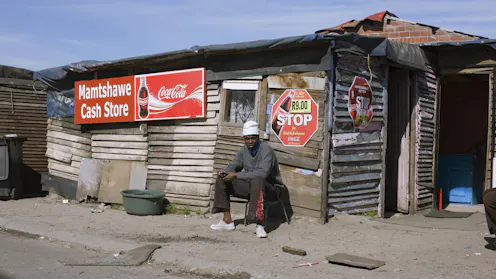
Many unemployed young people are engaged in a variety of economic activities. These may not necessarily be recognised as a form of self employment or informal employment.
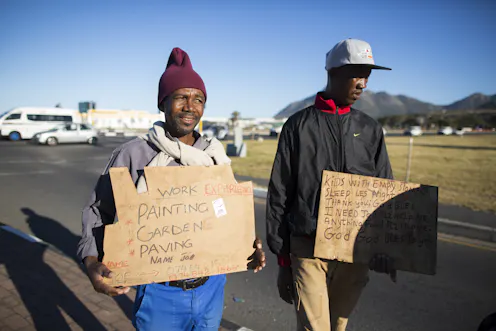
The COVID-19 pandemic has worsened unemployment and poverty, showing the need for the government to permanently expand income support to working-age adults.
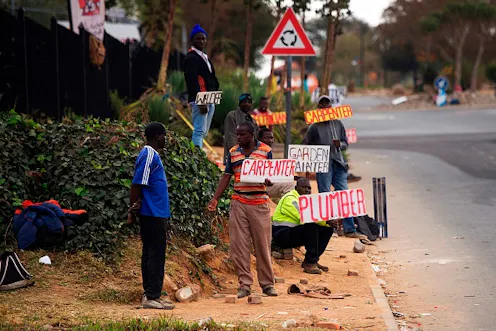
Economic distress was the norm for many before the coronavirus outbreak. The pandemic is an opportunity to provide an economically secure future for all.
Contact Hannah for
- General
- Media request
- Speaking request
- Consulting / Advising
- Research collaboration
- Research supervision
- Location: Johannesburg
- Website
- X (formerly Twitter): @HannahJoburg
- Article Feed
- ORCID
- Joined
