
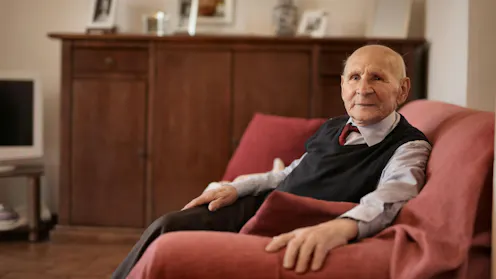
The number of complaints about assessments for home-based aged care are rising. Now, the ombudsman is getting involved. Here’s what needs to happen next.
- Emeritus Professor of Public Health, La Trobe University

More than 3,000 patients are stranded in hospital waiting for discharge to a more appropriate aged care facility. Here’s why.

Here’s what an incoming government needs to have on its radar when it comes to aged care.

Aged care providers can’t find staff and a crisis is brewing. If the problem isn’t fixed, there are serious risks to quality and access to services for older people who need support.

The federal government caps the number of home care packages it provides. When demand exceeds supply, waiting times blow out.

Rather than bold reforms that will safeguard Australians’ aged care services into the future, the taskforce largely recommends tidying up and keeping the status quo. And getting users to pay more.

The federal budget is a step in the right direction, particularly in improving pay rates for aged-care workers. But the medium- to long-term future remains bleak without further, significant reforms.

Australia needs an additional 35,000 aged care workers a year. While skilled migration can play a role, it’s unlikely to be enough to fix the immediate or long-term workforce shortages.

Australia should have been better prepared for the predictable winter COVID wave in aged care.

Aged care reform remains unfinished business for Labor. It made a start this week but more needs to come.

Only 4% of for-profit aged care providers are in the highest quality tier.

Devalued and paid significantly less than nurses, it’s no wonder Australia’s aged care workforce have had enough.

Australia needs a new home-care model – one that provides much more personalised support to help older people get the services they need and that manages local service systems for them.

This year’s federal budget should include an aged-care trifecta: expansion in home care, greater transparency, and a rescue package.

From Bill Shorten to Kristina Keneally, our experts break down Labor’s new shadow ministry – who’s in, who’s been promoted, and who faces the greatest challenges in their new roles
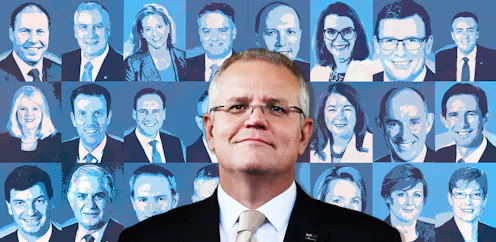
Scott Morrison’s new ministry includes a few new faces and several new roles for familiar cabinet members. Our experts take a closer look at each portfolio.

The budget includes a step towards modernising Medicare, through a new annual payment for each person with diabetes who signs up with a specific GP.

Primary care services are usually our first point of contact with the health system. Each year, about A$50 billion – nearly a third of all health expenditure – is spent on more than 400 million primary…

Better primary care could have prevented more than a quarter-of-a-million hospital admissions for health problems such as diabetes each year.

The baby boomers are growing old and in the next 25 years the number of Australians who die each year will double. People want to die comfortably at home, supported by family and friends and effective…

Australian Federal Treasurer Wayne Swan has handed down his sixth budget, facing an almost impossible task: how to reconcile an enormous revenue shortfall with big spending promises, all while keeping…

The announcement that opposition leader Tony Abbott will support a 0.5% increase to the Medicare Levy to fund the National Disability Insurance Scheme (NDIS) takes the politics out of about half the additional…

While the federal election is still months away, issues of health funding are already dominating the news. A Grattan Institute report released yesterday, for instance, noted the greatest budgetary pressure…
Early on in my career I was part of the process of closing down large-scale institutions for people with disabilities. My first experience of institutions was as a student. I visited Swanbourne Hospital…
Contact Hal for
- General
- Media request
- Speaking request
- Consulting / Advising
- Research collaboration
- Research supervision
- Website
- Article Feed
- ORCID
- Joined
