
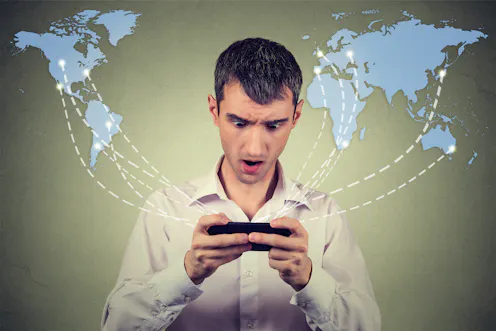
Should police be able to use cellphone records to track suspects – and law-abiding citizens?
- Bernard A. Galler Collegiate Professor of Electrical Engineering and Computer Science, University of Michigan
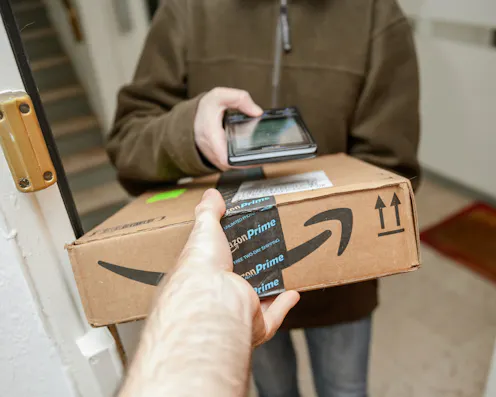
Algorithms can discriminate, even when their designers don’t intend that to happen. But they also can make detecting bias easier.
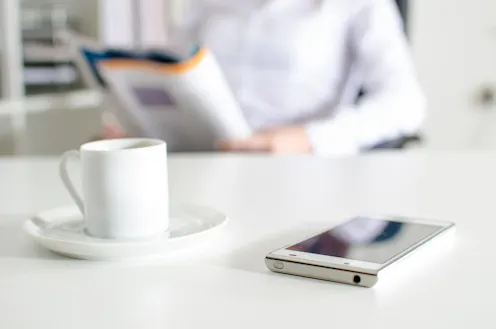
Bad guys or law enforcement could hack into our networked gadgets to spy on everything we do – and it’s not clear how a laptop’s video camera or an Amazon Echo fits within wiretapping laws.
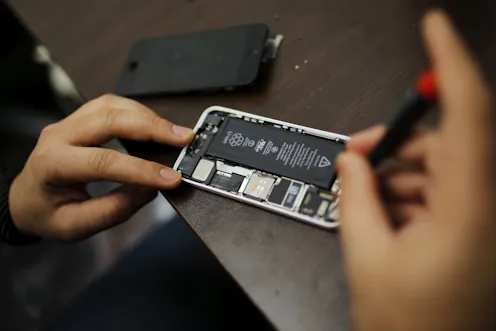
Apple says it won’t comply with a court order to unlock a terrorism suspect’s iPhone for the FBI. Here’s the technology at play.

Preventing crime before it happens, while saving resources, sounds like a great use of big data. But these calculated probabilities raise big questions about civil liberties.
Analyzing big data sets holds the promise of big insights. But the axiom “garbage in, garbage out” is particularly apt, since conclusions can be only as good as the raw data itself.
Contact H.V. for
- General
- Media request
- Speaking request
- Consulting / Advising
- Research collaboration
- Research supervision
- Location: Ann Arbor, MI, USA
- Website
- Article Feed
- Joined
