
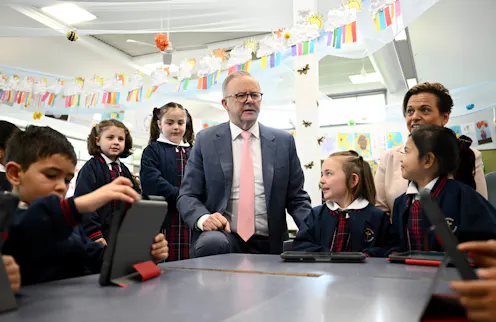
As Australian students begin the final term for 2024, governments are in the middle of a standoff over public school funding for next year.
- Professor of Education Futures, The University of Melbourne
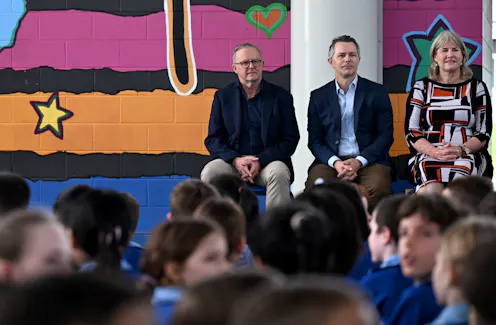
The ‘Better and Fairer Schools Agreement’ is a new funding agreement that will have significant power shaping what happens in schools until 2034.
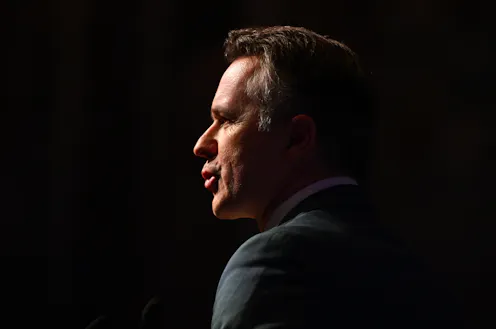
Education Minister Jason Clare released a major report on schools on Monday. This will inform the next round of federal funding as part of the National School Reform Agreement.
While it is likely many teachers, parents and students will have never heard of the agreement, it is a crucial policy.
NAPLAN testing has been brought forward from May to March and results will be reported against just four levels of achievement.
Australian governments have committed a lot of money and effort over the last few decades to improve schooling using “what works”. But this hasn’t worked. So what can we do to improve education?

The Coalition has had longer than a three year cycle to make some changes to education. But since the 2016 election, what has it actually done? And what is Labor proposing?

The current debate about comparability would be more concerning if 2018 results showed radically different trends compared to previous years, but they don’t.

Education policy experts run through the major changes for education in Budget 2018 for schools, VET and higher education.
The recently released Gonski 2.0 report focuses on overhauling core aspects of curriculum and reporting, and proposes a move away from the industrial model of education towards individualisation.
The results are in, and student achievement on NAPLAN has plateaued in literacy and numeracy, with some areas of improvement.
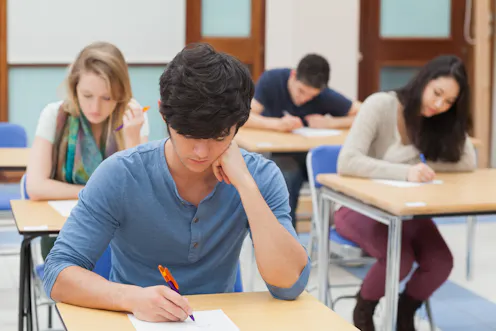
This year’s preliminary NAPLAN results show Australian students are flatlining after ten years of the controversial tests.
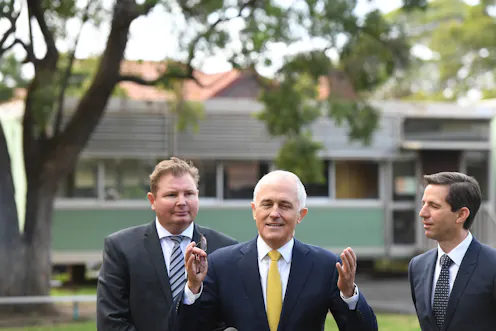
Schooling expert Dr Glenn Savage answers your questions on recent changes to school funding.

Tanya Plibersek, shadow minister for education, told reporters recently that Australia is slightly below average when it comes to international funding for our schools. Is that right?
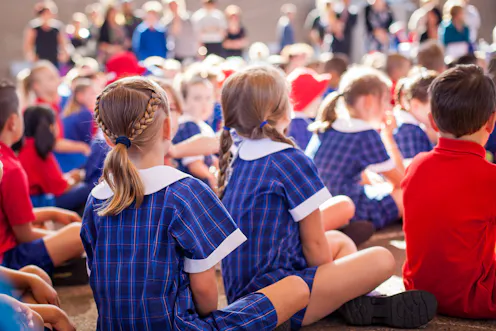
Despite significant reform agendas over the past decade, no real progress in outcomes has been achieved.
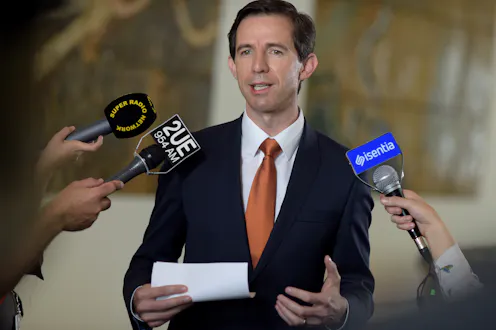
Instead of a needs-based model, we ended up with an inconsistent patchwork of approaches across Australian states and territories that protected the vested interests of non-government schools.
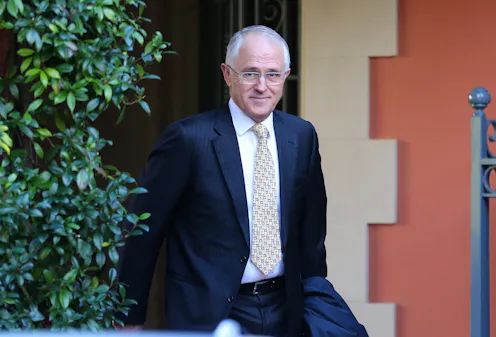
What’s in store for key policy areas, from health to education to infrastructure to asylum seekers, under a returned Coalition government?

Mixed messages from the Coalition government around schools policy are not only confusing, but also raise deeper questions about whether they have a firm position on schooling at all.
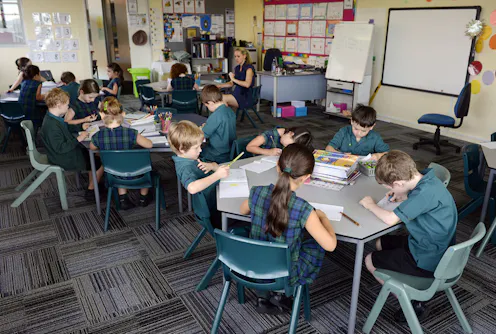
While schools receive an extra $1.2 billion in funding for 2018-20, reforms for higher education are delayed by a further year.
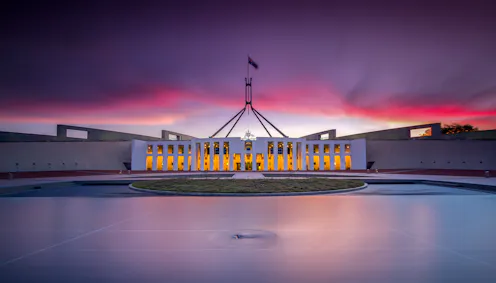
We asked our experts to appraise the political and policy performances of the federal cabinet and shadow cabinet.
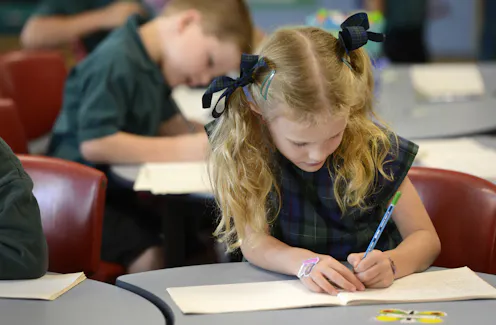
The Grattan Institute’s new report, Widening Gaps, invites us to think differently about how to measure student progress and tackle entrenched inequalities in achievement.
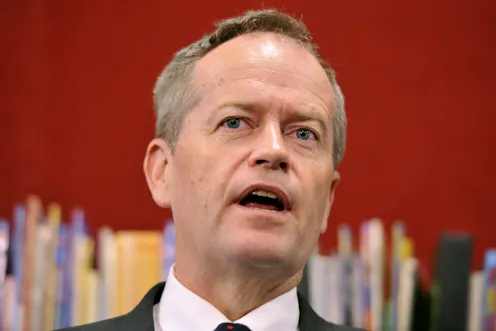
Funding is one of the few areas Labor has left to distinguish itself from the Coalition when it comes to school policy at the national level.
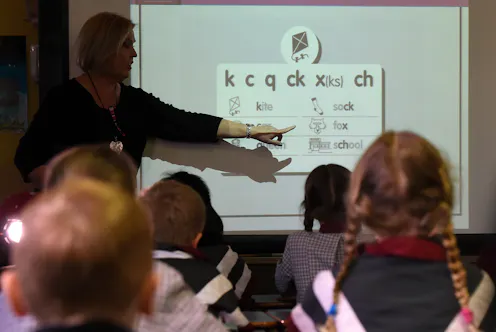
Last week the states agreed to the implementation of changes to the national school curriculum brought about by the National Curriculum Review undertaken last year.
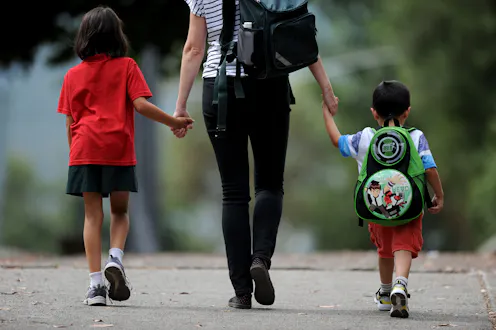
For the first time in Australia’s history the education levels of parents will be taken into account when funding is being allocated.
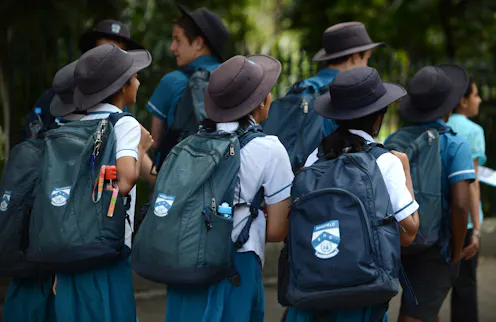
Political debates around school funding focus on public versus private, which party is the Gonski champion, and who gets the most money. All of these debates miss the point.
Contact Glenn for
- General
- Media request
- Speaking request
- Consulting / Advising
- Research collaboration
- Research supervision
- Website
- Article Feed
- ORCID
- Joined
