
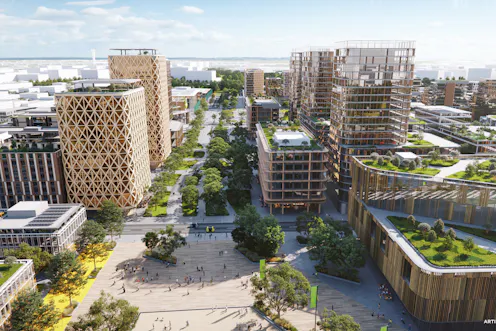
The new city bears a colonial name and there are questions about locating it in the hottest part of Sydney, but we are also seeing all 3 tiers of government work together in an innovative way.
- Honorary Associate Professor in Planning, University of Queensland, University of Sydney
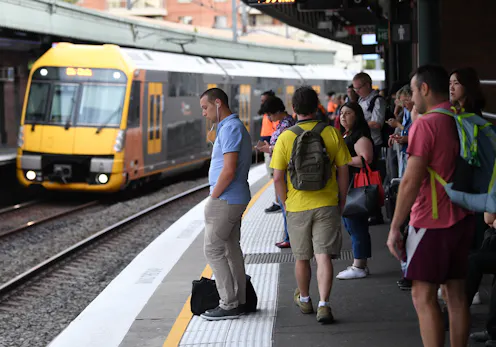
The states are primarily responsible for providing infrastructure, but lack the budgets, especially since the pandemic hit revenues. Making up the shortfall depends very much on the Commonwealth.
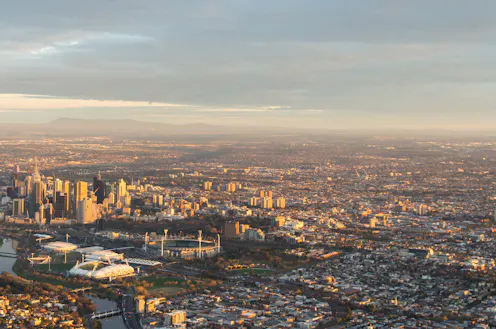
Planning innovations around the world offer inspiration, but ultimately the innovations needed to make Australia’s sprawling cities more sustainable must be shaped by local conditions.
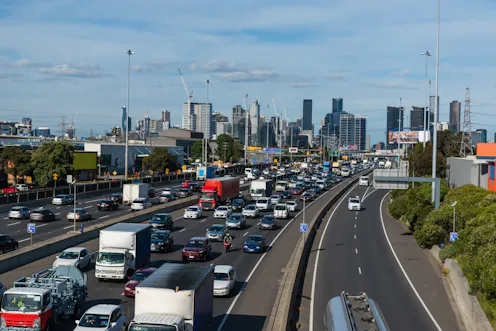
In the 70s, Whitlam tried to build new, big cities. But this was too costly. Now the most viable solution for Australia’s population woes is to make existing cities bigger.

Analysis of the business cases for three of the biggest projects deemed “high priority” by Infrastructure Australia raises questions about the process.
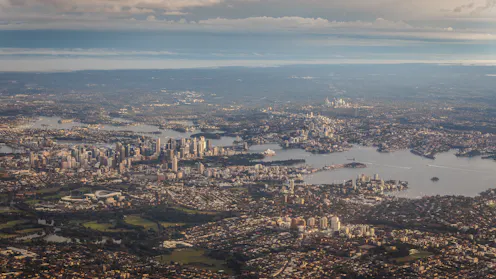
Financial benefits are behind the development industry’s push for a continuous rapid population growth. But our poorly planned cities are ill-prepared and already struggling.
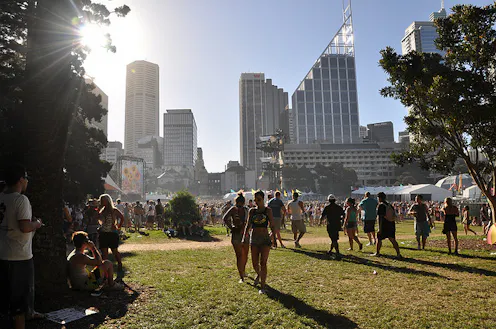
Privatisation of the public realm is increasingly seen by governments as a relatively painless user-pays way of addressing their budget problems and parks have not escaped the trend. Public spaces such…

The new Coalition Government has been elected with a mandate to reduce the national debt and make Australia “open for business”. Does this mean fixing Australia’s cities will be left to market forces…
Contact Glen for
- General
- Media request
- Speaking request
- Consulting / Advising
- Research collaboration
- Research supervision
- Article Feed
- Joined
