
Cinco perguntas simples podem ajudar a identificar afirmações exageradas de pesquisas.
- Professor Emeritus of Cognitive NeuroImaging, Aston University
Five simple questions can help spot exaggerated research claims.
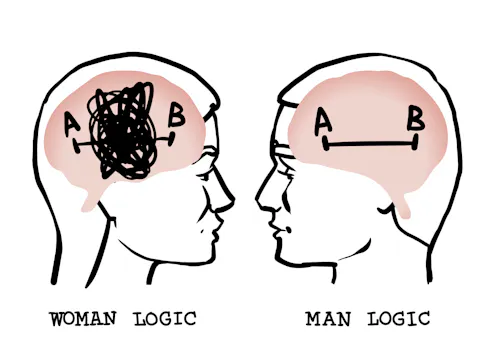
Tener cerebros más pequeños o ser mejores en la lectura son algunos de los argumentos utilizados para decir que las mujeres no están bien preparadas para hacer ciencia.
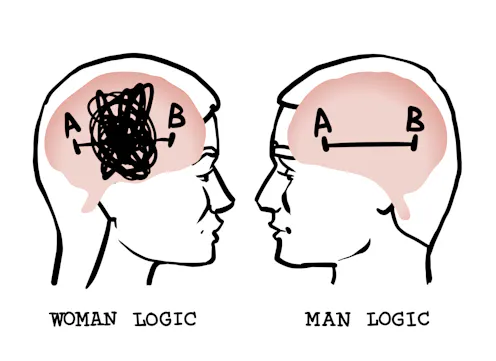
From having small brains to being better at reading, it is often argued that women aren’t well suited to do science.

When dealing with young teenagers, information is better than bribes or threats.

Modern neuroscience doesn’t support the idea that intrinsic differences between men and women are fixed and unchangeable.

The Antill 7: On belief
The Conversation, CC BY-ND46.9 MB (download)
Four stories on belief: from the allure of cults and conspiracy theories, to the effect of trauma on faith, to the way dogma has influenced science – and if technology can actually shift our beliefs.
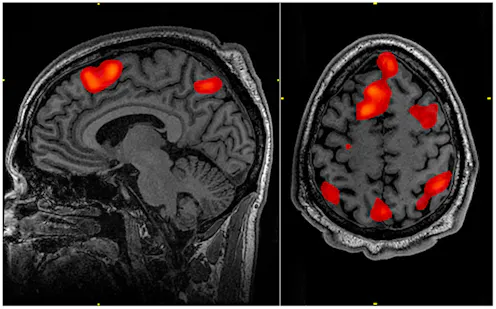
Science has shown that women are better at nurturing and men are better at logic. Or has it?

Many girls with autism go undiagnosed, perhaps because they’re good at camouflaging their autistic traits.
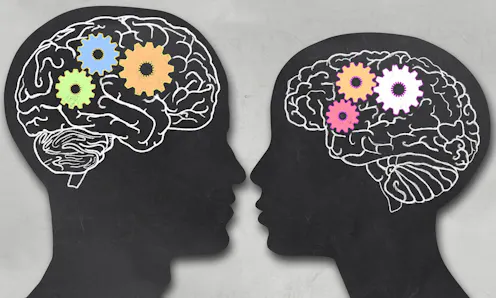
Men aren’t from Mars, nor are women from Venus. We’re all from Earth.

The equalities minister, Jo Swinson, has suggested that boys should be encouraged to play with dolls to make them more “nurturing and caring”. This is apparently in the hope that they will become more…
International orientation weeks for new overseas students are looming for universities across the UK. At all our international airports you will soon see welcoming parties assembling to meet and greet…
After the expressions of joy or despair have faded away, A Level results day often serves to emphasise the startling gender gap in students studying science subjects. Data released about the 2014 exams…
Contact Gina for
- General
- Media request
- Speaking request
- Consulting / Advising
- Research collaboration
- Research supervision
