
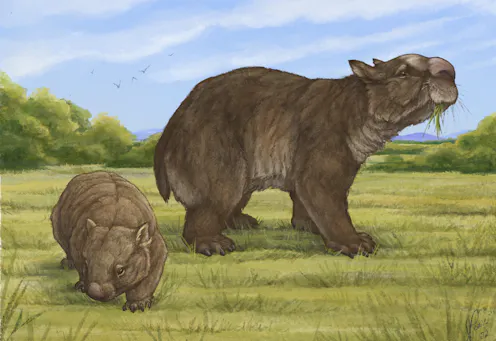
80,000 years ago, Australia’s landscape was dominated by much larger versions of today’s marsupials – including enigmatic and enormous wombats.
- Lecturer in Palaeontology, The University of Queensland
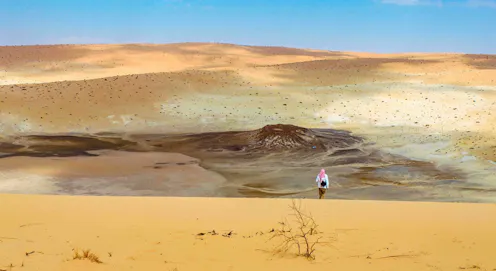
The new work presents the oldest dated evidence for hominins in Arabia, in the form of an ancient handaxe tool uncovered from the Nefud Desert.
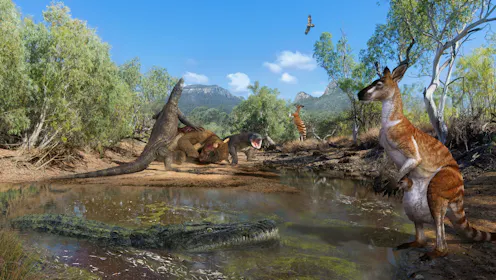
These megafauna were the largest land animals to live in Australia since the time of the dinosaurs.
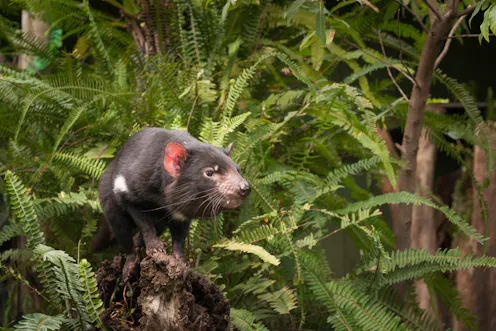
It’s often said you need to look to the past to learn about the future, and that’s what the fossil record can tell about how the Tasmanian Devil survived in the past on mainland Australia.
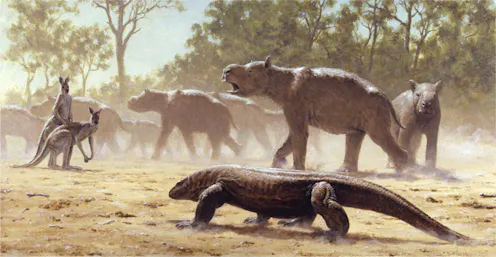
Studies of the fossil teeth of the three-tonne Diprotodon have revealed the now-extinct beast was Australia’s only known seasonally migrating marsupial.
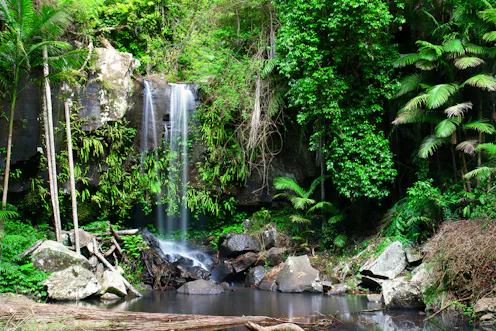
The fossilised teeth of kangaroos and other extinct marsupials reveal southeastern Queensland three million years ago was a mosaic of tropical forests, wetlands and grasslands, and much less arid than…
Contact Gilbert for
- General
- Media request
- Speaking request
- Consulting / Advising
- Research collaboration
- Research supervision
- Location: Brisbane, Australia
- Website
- X (formerly Twitter): @TheFatWombat
- Article Feed
- ORCID
- Joined
