

While ‘The Last of Us’ is a dramatic projection of a deadly fungal outbreak, it is based, if not in reality, in logic. And it’s a reminder that fungal infections are growing more resistant.
- Professor of Biochemistry and Biomedical Sciences, McMaster University

Before COVID-19, clean water, antibiotics and vaccines had made us complacent about infectious disease. Infection control can no longer be taken for granted. We must be prepared for future pandemics.

Un nouveau rapport estime que d’ici 2050, 40 % de toutes les infections seront résistantes aux traitements antimicrobiens. Cela causera directement 13 700 décès qui auraient pu être évités auparavant.
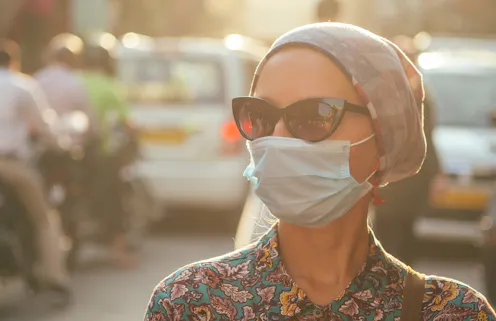
A new report estimates that by 2050, 40 per cent of all infections will be resistant to antimicrobial treatment. This will directly cause 13,700 previously preventable deaths.
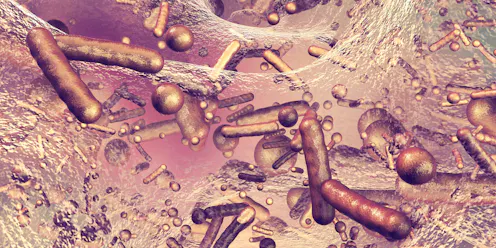
The end of effective antibiotics will be frightening. Life expectancy will fall dramatically and people of all ages will die from illnesses that we are used to treating with $10 worth of pills.
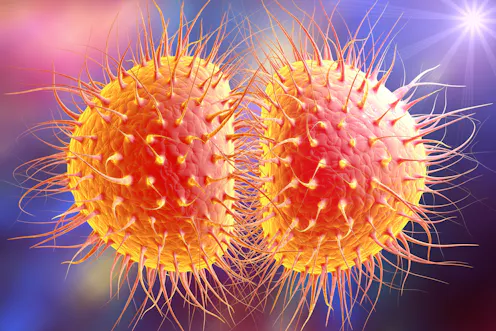
Without leading edge innovations and coordination, Canadians will die from the epidemic of antibiotic resistant infections.
Contact Gerry for
- General
- Media request
- Speaking request
- Consulting / Advising
- Research collaboration
- Research supervision
- Location: Hamilton, Ontario
- Website
- Article Feed
- Joined
