
Satire and humour have always been sites for popular engagement with the state in Kenya.
- Professor of Media Industries, University of Nottingham
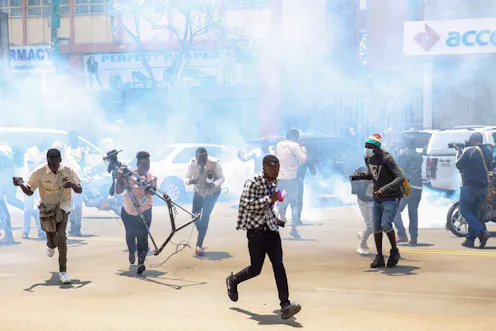
There is a growing public wariness about the performance of the media, which are increasingly accused of being partisan.
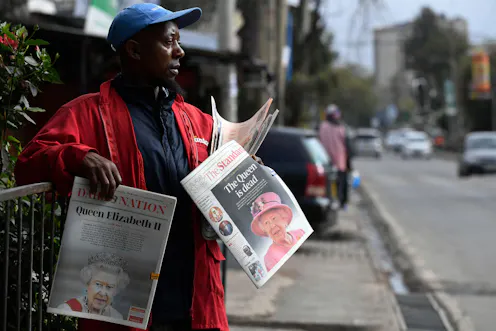
Kenya’s election winner has fired the first shot in a war of attrition against legacy media.
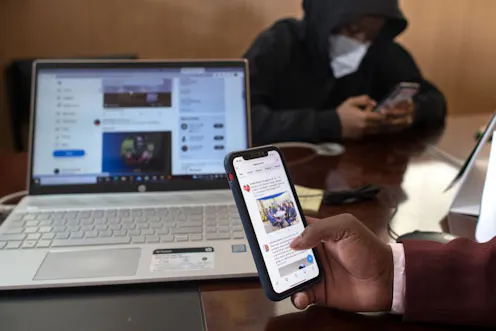
Platforms like Facebook, Twitter and WhatsApp are reframing democracy and the way citizens engage and organise in the digital space.

The vacuum created by a drop in public trust in mainstream platforms has given rise to new media players who don’t always play by the rules.

Some states are adopting subtle and sophisticated ways of controlling or shaping political agendas and discussion.
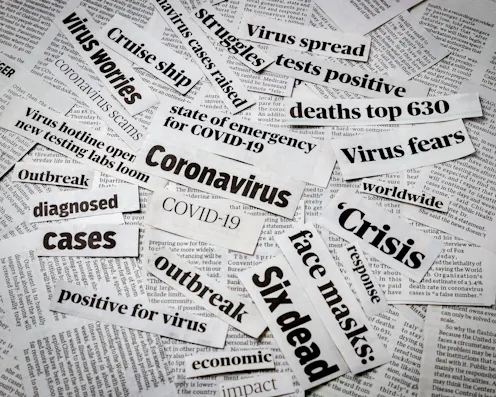
The media is regurgitating an international narrative that may not be fit for localised purpose.
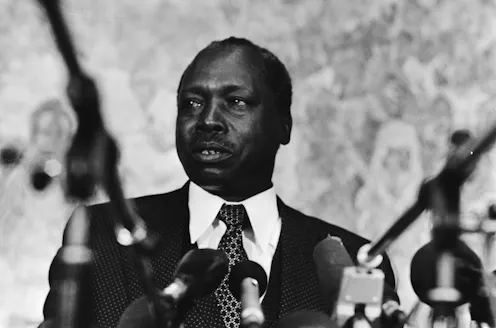
The former president’s stranglehold on the press made it very difficult for journalists to do their jobs.
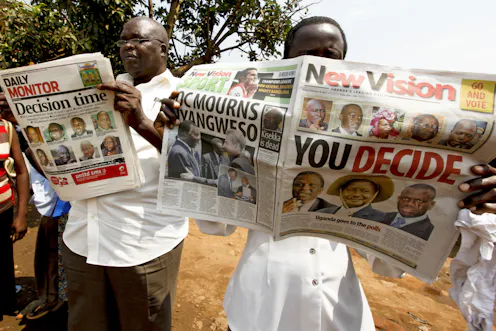
The biggest threats are the concentration of media ownership and attempts to legislate the online media environment.
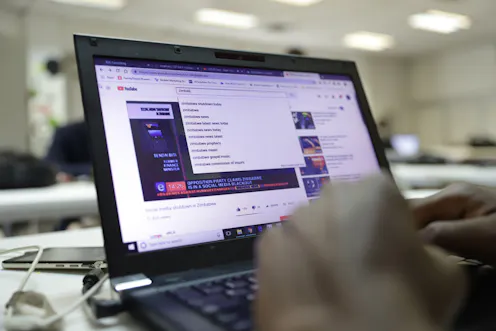
Shutting down or controlling access to the internet has become a go-to strategy among some African states who want to control the political narrative.
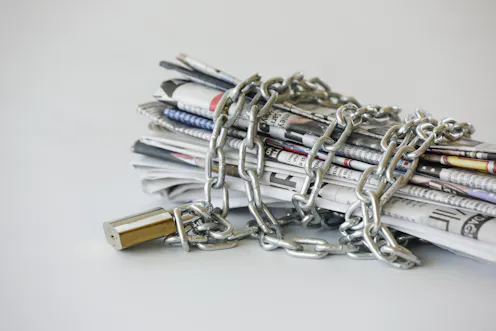
There’s been an evolution in Tanzanian laws used against the press
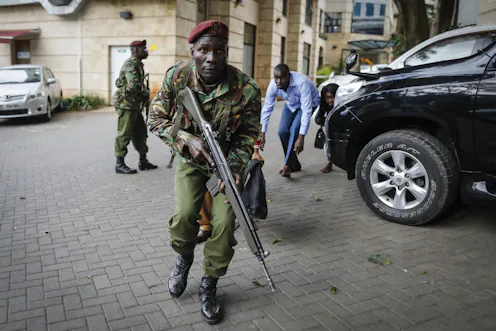
Foreign press took away the dignity from victims killed in the Nairobi terror attacks by publishing their pictures.

New media platforms have changed the way people create, consume and relate the news.

Internet taxes could stifle Africa’s free and vibrant social media.

Ugandan President Yoweri Museveni’s grip on power remains strong but pockets of dissent are emerging from digital platforms.
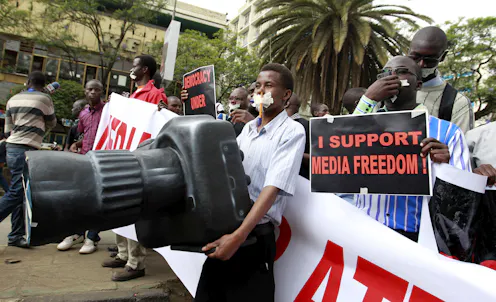
Not since the bad old days of former President Daniel Moi’s regime has Kenya witnessed such a swift and calculated assault on the media.
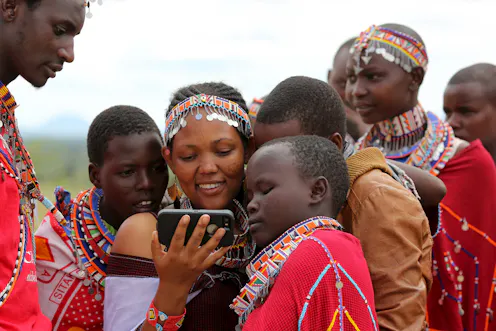
Across Africa, mainstream media have traditionally been the unrivalled custodians and originators of the public agenda. But this year social media took over as a new regime of information.
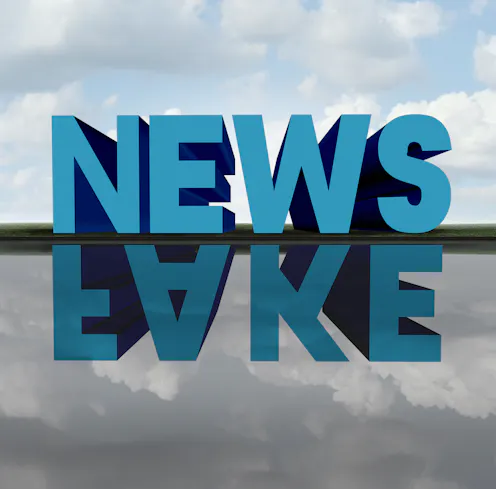
Fake news has intruded on every aspect of life. Audiences need to counter its appeal, as the media alone is incapable of debunking false information.
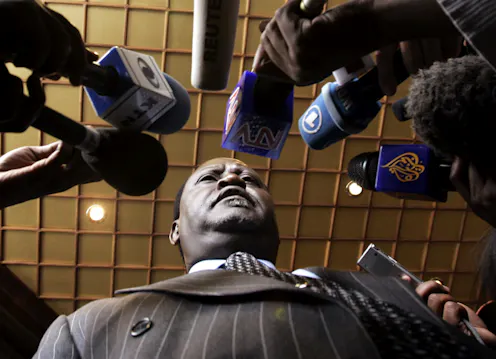
Media coverage of elections is changing as the industry adopts new practices and politicians become more invested in their personal brands. But can the press remain objective?

African governments have transitioned from outright control of freedom of expression to a subtler manipulation of the press that includes withholding state advertising from commercial media outlets.
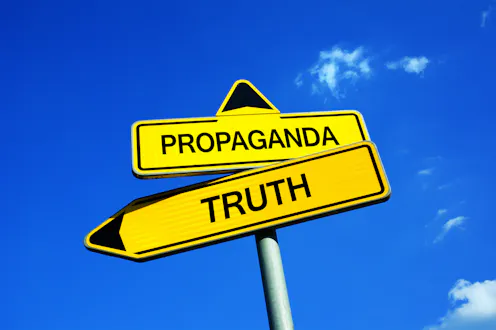
In Africa, the idea of a post-truth era - which by implication fundamentally presupposes the existence of an era in which ‘truth’ was self-evident - is folly.
Contact George for
- General
- Media request
- Speaking request
- Consulting / Advising
- Research collaboration
- Research supervision
- Location: Nottingham, United Kingdom
- X (formerly Twitter): @Ogolah
- Article Feed
- ORCID
- Joined
