

Of all the characteristics we might prize in a leader – competence, integrity, careful judgment, ethical courage – why do people rate charisma so highly?
- Professor of Psychology, Edge Hill University

Choosing a new colour scheme is a psychological issue, not just an aesthetic one. Here’s what the evidence shows.
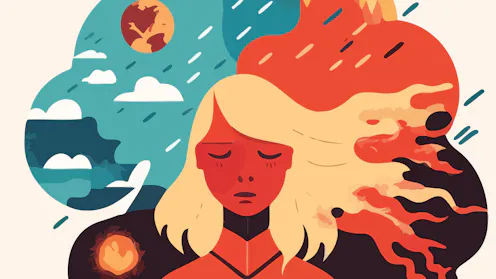
Climate anxiety is not yet officially recognised as a mental disorder, but it’s a natural fear response.

The US president blamed his defense secretary for pausing weapons to Ukraine – but why did he not take responsibility?
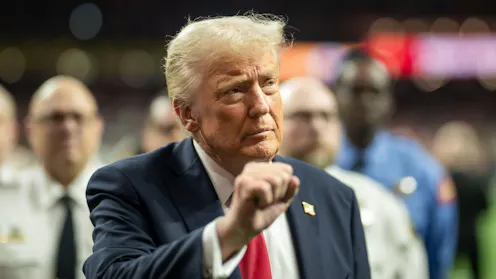
Donald Trump appears to react quickly and emotionallly to foreign policy decisions, a psychologist explains why that could be.

As the Musk v Trump feud steps up a level there are classic signs from a psychological point of view of why they are falling out.
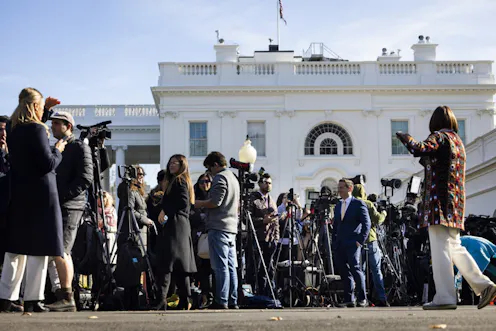
Some people avoid the news because they feel worn out by its intensity.
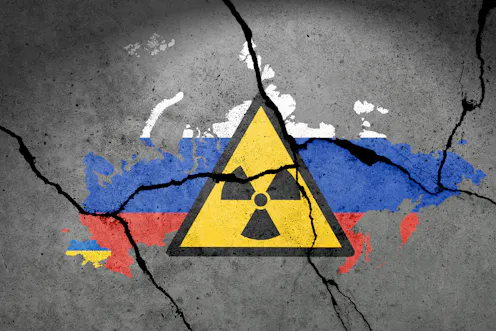
Some nations seem to be more optimistic than others when it comes to believing international, or national, disasters will not happen.

Politicians sometimes lie because it confuses others and gives them pleasure.
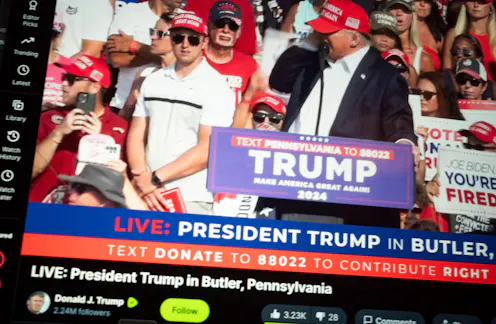
In his 2022 school yearbook photos, Thomas Crooks bears little resemblance to the assassins of our collective imagination

Les bons menteurs connaissent parfaitement les signes qui pourraient les trahir, et savent les dissimuler.

Good liars can easily bypass classic lie detection stereotypes.
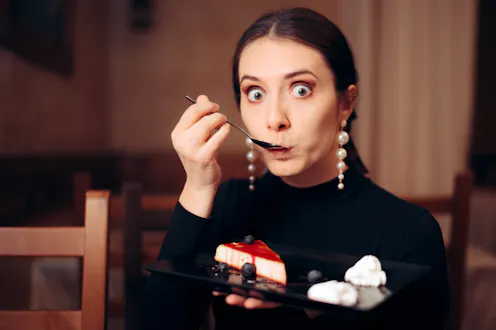
It may be about repairing your self-image or playing twisted mind-games.

One Dutch study found that a third of ex-hostages were still suffering from PTSD nine years after the event.
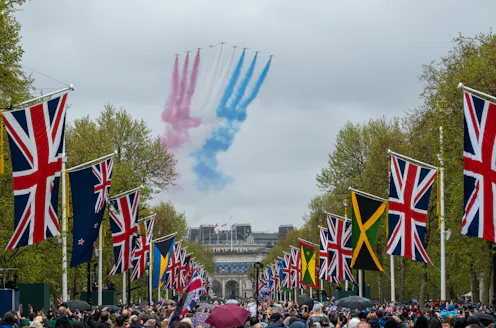
Elite groups often become trapped in echo chambers.
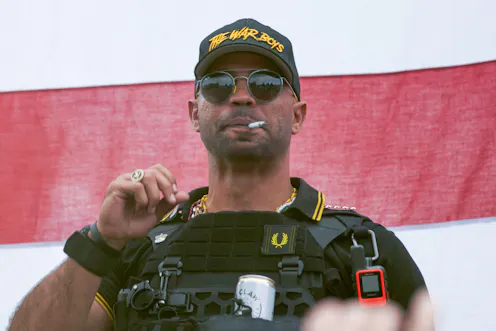
Experts say remorse can serve as a catalyst for change, forcing us to confront our feelings of guilt and regret.

A psychologist looks at if there is anything Donald Trump could do that might stop his supporters in their tracks.
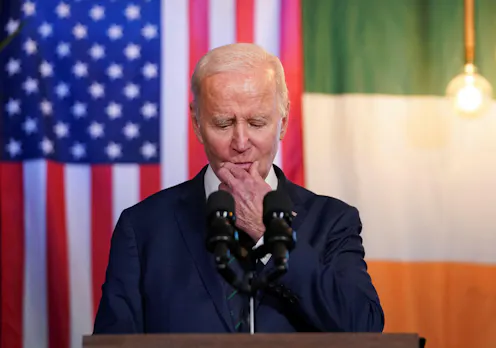
US president Joe Biden regularly has slips of the tongue when making official speeches.

Why you shouldn’t judge a book by its cover: the limitations of reading body language.
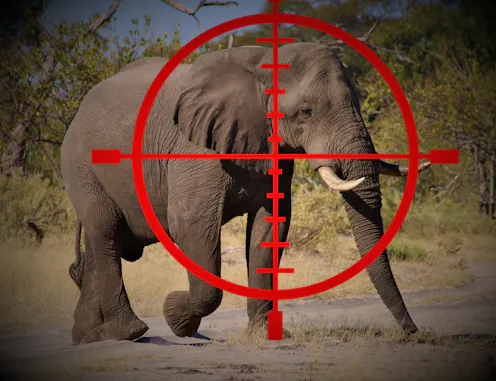
Para muchos la caza de trofeos es repugnante. Aquí se explica por qué matar animales salvajes puede ser placentero para algunos.
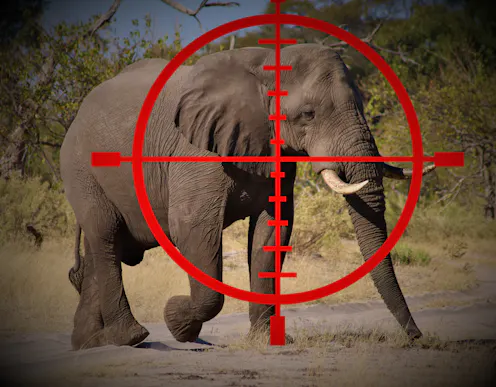
To many of us trophy hunting is repellent. But here’s a look at why killing wild animals might be pleasurable to some.

Thinking about revenge makes the brain’s reward centres light up.
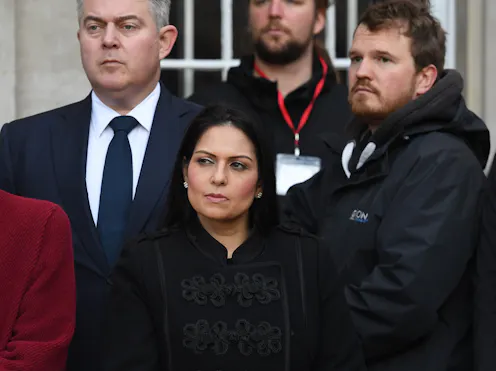
Just because someone doesn’t have a calculated agenda of bullying another person, they can still, perhaps subconsciously, intend to harm them in isolated and emotional moments.
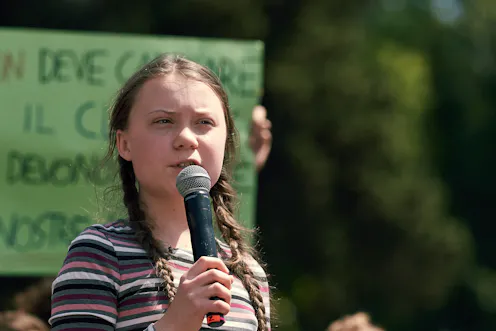
To fight climate change, we need to take people’s cognitive biases into account.
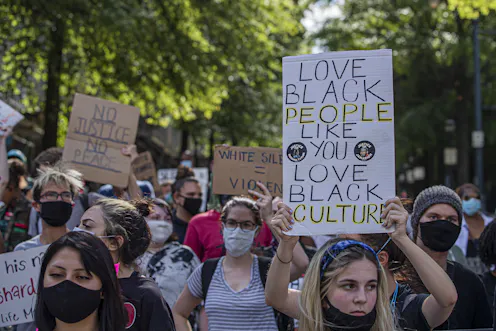
We need a revolution in behaviour, not just in rhetoric.
Contact Geoff for
- General
- Media request
- Speaking request
- Consulting / Advising
- Research collaboration
- Research supervision
- Website
- Article Feed
- ORCID
- Joined
