
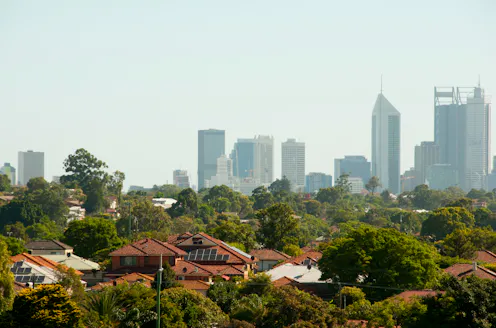
Between 2002 and 2018, some groups actually increased their wealth on certain measures. For young people and middle Australians, however, it’s a more sobering picture.
- Emeritus Professor of Housing and Housing Studies, RMIT University

People over 65 who still have a mortgage or are renting are projected to double in number by 2031. The trend is likely to hit government budgets and leave more retirees in poverty.

47% of Australians aged 55-64 have mortgage debt, up from 14% in 1990.

Until now most people have eventually owned a home. But two trends – falling ownership and a growing aged population – will put the budgets of retirees and government under real pressure.
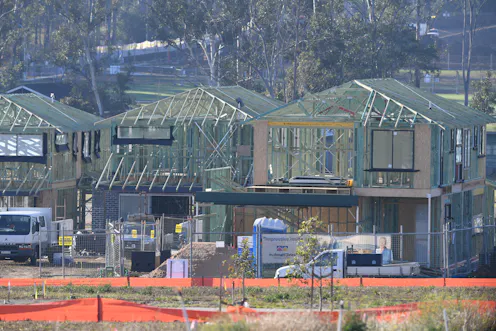
It’s said Australia’s housing affordability problem is the result of new housing stock not keeping pace with population growth. But there is actually enough housing, so why can’t the poor afford it?
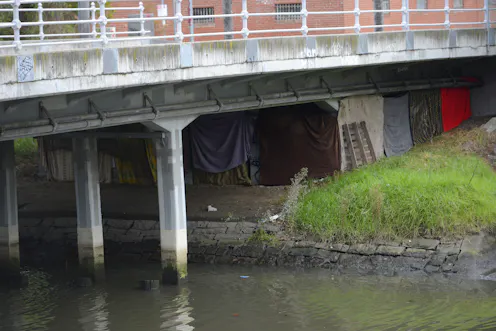
A decade after the launch of a national campaign to reduce homelessness, the latest figures show Australia is going backwards. Research points to problems in the public housing system as a key factor.
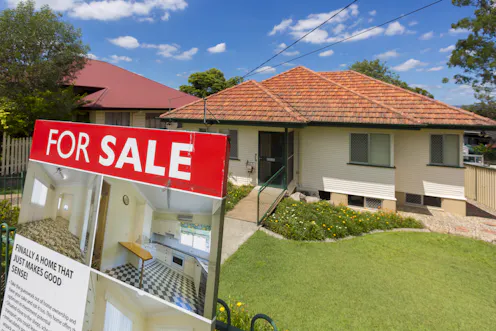
Increasingly insecure pathways to home ownership are not just a problem for property markets. The fallout is likely to hit retirement incomes, the welfare base, gender equity and the broader economy.
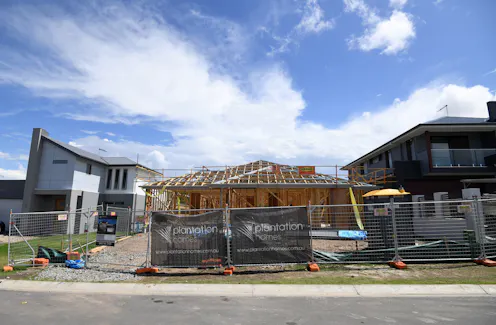
Research finds higher levels of housing debt among pre-retirees are linked to them working for longer.
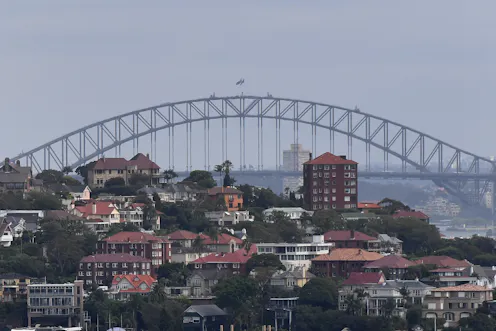
Data on housing supply in Australia’s capital shows that while it’s increasing in areas with lots of jobs, house prices are too high for those who might want to move for work.

Those whose parents own a home are able to take advantage of a wider set of opportunities than others.
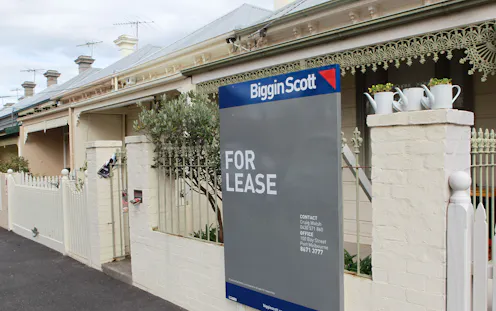
The need for new housing solutions for these low-income groups is clearly a pressing requirement.

The current system is causing inefficiencies in housing markets, but governments seem unwilling to act.
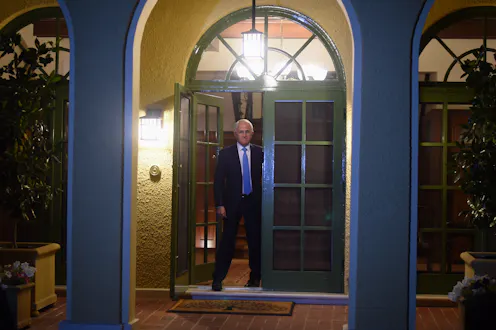
It makes sense for the federal government to grease the wheels of federal-state tax reform.
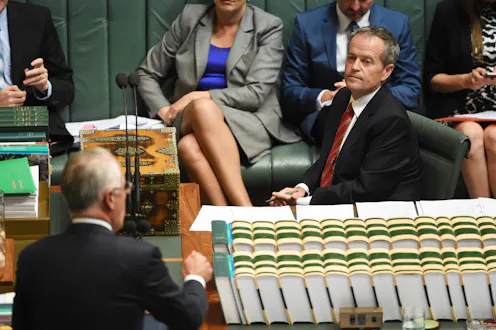
The results of changing negative gearing are not as straight-forward as the government suggests.
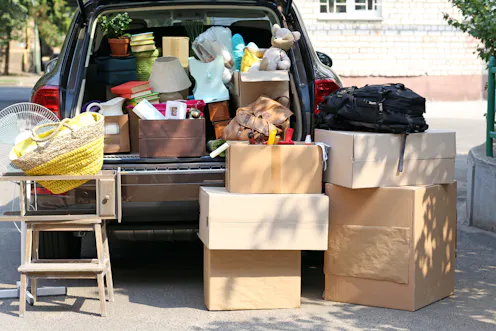
Financial stress is more likely to cause Australians to drop out of home ownership. Why?

There are well-rehearsed arguments both for and against removing negative gearing from property.

Housing affordability, high house prices and rents are attracting plenty of media attention right now. The latest figures on house prices, mortgages, number of first time buyers and so on are dissected…

Perceptions of the family home have changed dramatically in recent years. Once viewed as a tool to ensure low housing costs in old age, a more complex and wide-ranging welfare role for home ownership has…
Contact Gavin for
- General
- Media request
- Speaking request
- Consulting / Advising
- Research collaboration
- Research supervision
