
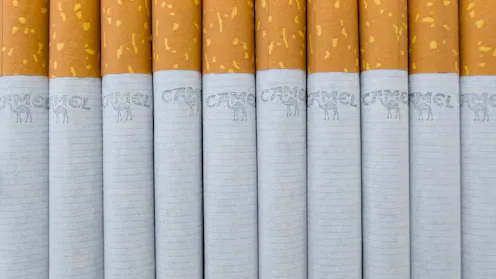
Preventing disease is clearly worthwhile. So why is the future of a key Australian health promotion agency, VicHealth, in the balance?
- Professor of Public Health Policy, Deakin University

The release of a parliamentary committee’s report on diabetes has again highlighted the need to improve Australians’ diets.

The mass-produced wholegrain bread you buy from the supermarket isn’t harmful to your health, even though it’s an ‘ultra-processed’ food. Your overall diet matters more.

Our new study analysed the packages of around 8,000 food and drink products to understand the marketing techniques used.

Too much red meat – and especially processed meat – is linked to cancer and heart disease. But moderation is the key – alongside better farming practices
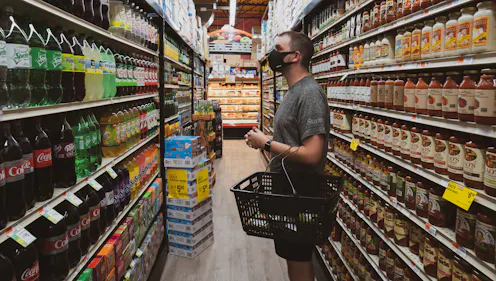
Australia’s food labelling system is under-performing. Here’s how we can make it more effective.

Unlike some other countries, junk food remains inexpensive and easily accessible in Australia and is widely marketed to kids.

Our new research found some deals provided an astonishing 90% of the average recommended daily energy intake for adults.
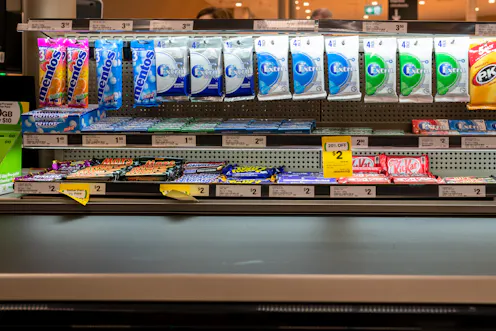
Unhealthy foods are readily available and heavily marketed to us, especially at supermarkets.

The evidence is clear: a tax on sugary drinks would reduce consumption. All that’s needed is political leadership that prioritises health above the profits.
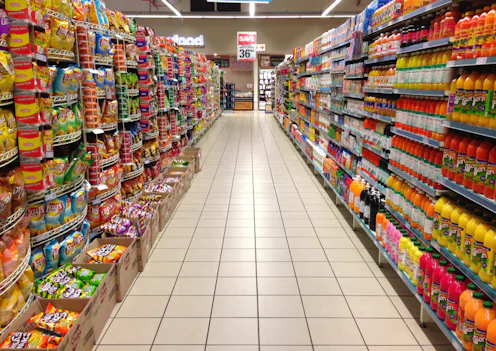
The food industry’s tactics are designed to reduce the likelihood of the government adopting global recommendations to tackle obesity.

Popular social media platforms such as Facebook and Instagram fail to protect children from the marketing tactics of junk food advertisers. This needs to change.
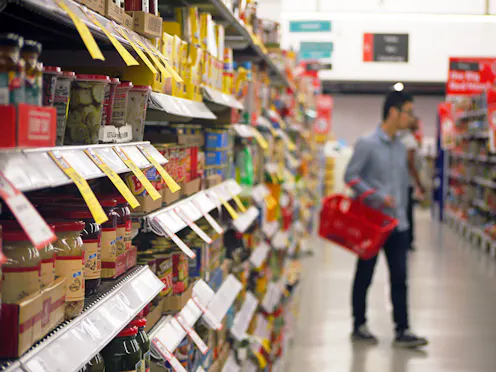
We surveyed over 100 Coles, Woolworths, Aldi and independent stores around Australia and found supermarkets are promoting unhealthy food much more often, and more prominently, than healthier products.
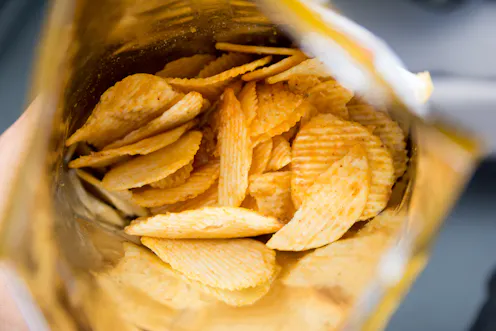
We asked five experts if there should be a nation-wide ban on junk food in schools. Four out of five said yes.
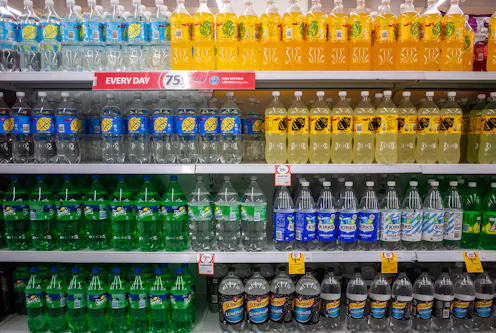
Myths that taxes on sugary drinks unfairly disadvantage the poor and will result in job losses don’t hold up. Here’s what the evidence says.

We found that evidence cited by three organisations - a big corporate and two industry lobby groups - was either not evidence at all, or had been twisted to suit the industry’s narrative.

The steady flow of politicians and government staffers switching sides to lobby for powerful food, alcohol and gambling companies is a threat to public health.

Our new study finds in Australian supermarkets, the lower the health star rating, the higher the discounts. The time is ripe for a national conversation about making discounts healthier.
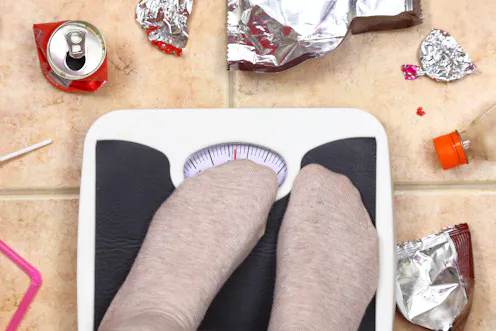
A shorten Labor government will consider mandating food reformulation targets and health star ratings. These are important moves in the fight against obesity and obesity-related conditions.

It may not be popular, but an increase in the cost of alcohol would make us drink less and consume fewer kilojoules.

It’s time for Australia to follow the UK’s lead and increase the price of sugary drinks.
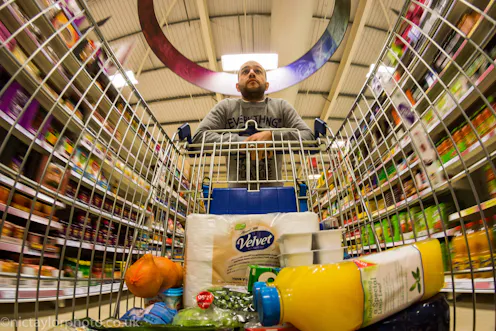
Large supermarkets are undoubtedly very convenient, with a huge variety of products on offer. But evidence suggests their size prompts us to shop less often and buy more on each trip.

On Saturday night, just hours before the latest quarter-finals of the World Cup, viewers watching SBS World News were exposed to over two and a half minutes of marketing for Coca-Cola. And that’s not even…
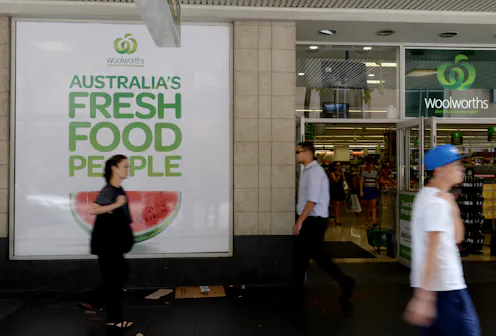
In their bids for greater market share, Australia’s two largest supermarket chains sometimes portray themselves as healthy places to shop. But Woolworths’ latest “Jamie’s Garden” sticker campaign might…

Recent calls by Australian government ministers and senior officials to broaden the goods and services tax (GST) base to include fresh fruit and vegetables would make the population’s diet go from bad…
Contact Gary for
- General
- Media request
- Speaking request
- Consulting / Advising
- Research collaboration
- Research supervision
- Location: Melbourne, Australia
- X (formerly Twitter): @gary_sacks
- Article Feed
- ORCID
- Joined
