

In 2022 the top five conditions involved in deaths in Australia were coronary heart disease, dementia, high blood pressure, cerebrovascular disease (such as a stroke) and diabetes.
- Professor of Medicine, University of Sydney

COVID can cause heart inflammation, abnormal heart rhythms, blood clots in the legs and lungs, stroke, and heart failure.

A new study has found one type of concentrated fish oil supplement reduces the risk of heart attacks and stroke among people with heart disease. But these findings apply to a certain group of people.

Doctors have long acknowledged heart attacks are more likely to occur in cold weather. But now a major study has confirmed it.

Given our increasing lifespan, we need to better understand how and why the cardiovascular system ages and whether we can slow down the processes involved.

Leaving school early more than doubles your risk of heart attack, according to a new Australian study.

Global deaths from heart disease rose from 12.3 million in 1990 to 17.3 million in 2013. Most of the increase occurred in developing countries and in disadvantaged people in developed countries.
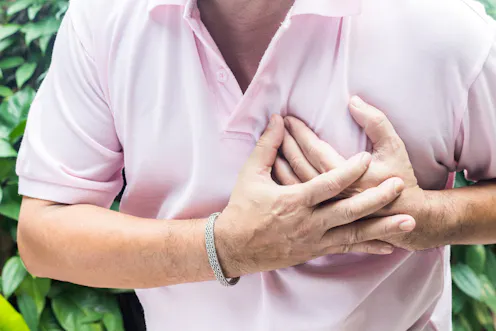
Most heart attacks are not “massive”. In these instances, further tests are necessary and the diagnosis can then become quite challenging.
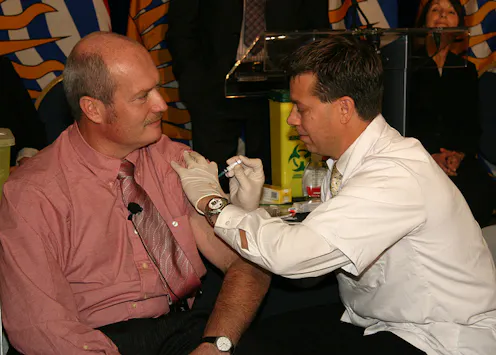
Receiving the flu vaccine may almost halve the chance of a heart attack for middle-aged people with narrow arteries, a new study by Australian researchers has found. Heart disease kills and disables more…

A nutrient found red meat may increase the risk of heart disease when it interacts with the bacteria in the human gut, according to a paper published this week in Nature Medicine. The results point to…

Sugary drinks may get most of the attention in discussions about Australia’s obesity epidemic, but new research from Deakin University has found salt may be a silent contributor to the problem. The study…

At the turn of the 20th century, life expectancy in Australia was just 55 years for men and 59 for women. Thanks to medical breakthroughs and technological advances, the average Australian woman can now…

This is a shorter version of an article that appears in the latest issue of Perspectives, an opinion-led journal published by Baker IDI Heart and Diabetes Institute. Maladaption is the inability of a species…
Contact Garry for
- General
- Media request
- Speaking request
- Consulting / Advising
- Research collaboration
- Research supervision
- Location: Melbourne, Australia
- X (formerly Twitter): @garryjennings
- Article Feed
- ORCID
- Joined
