
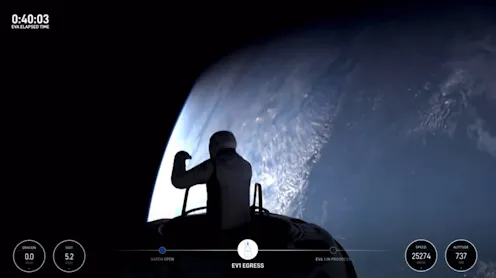
The Polaris Dawn mission, funded by billionaire Jared Isaacman and Elon Musk’s SpaceX, may hint at the future of space travel.
- Associate Professor - Physics, RMIT University
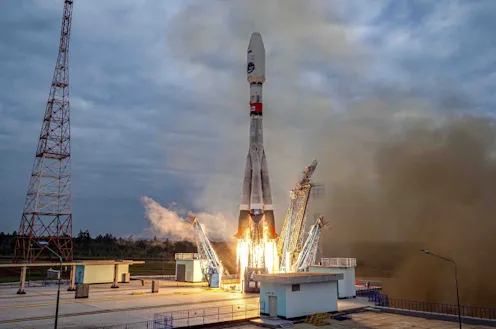
Space missions are still difficult, dangerous and risky – but it’s still early days in the human journey beyond our planet.
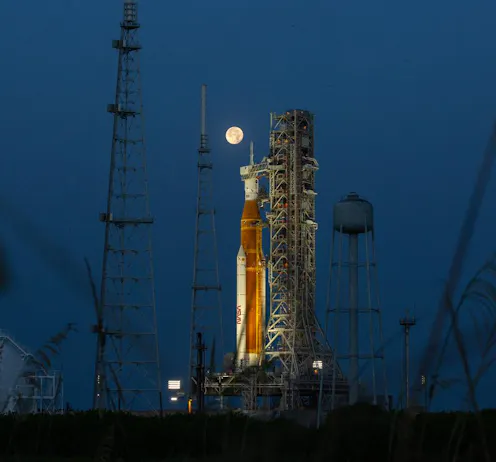
Artemis I launch has been ‘scrubbed’ a couple of times now. Why is a launch window so important, and what does scrubbing mean, anyway?
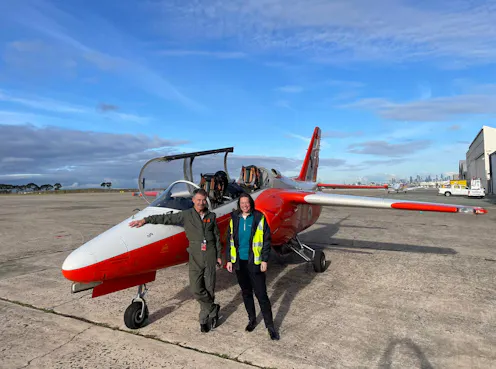
A freefalling ‘parabolic flight’ launched from Essendon airport is a leap for home-grown space science in Australia.
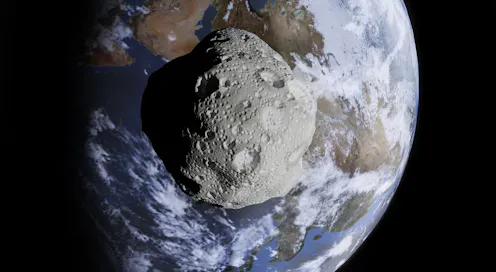
An asteroid that landed in Russia in 2013 injured 1,500 people – and was just 20 metres in diameter. What could we do if a major threat was detected?
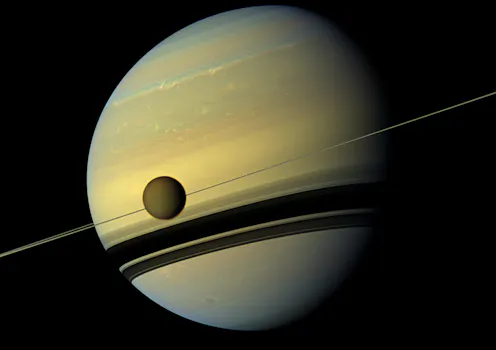
Mars has earned a lot of headlines lately, but dozens of missions - both current and planned - are fanning out across the Solar system to learn about other weird worlds too.
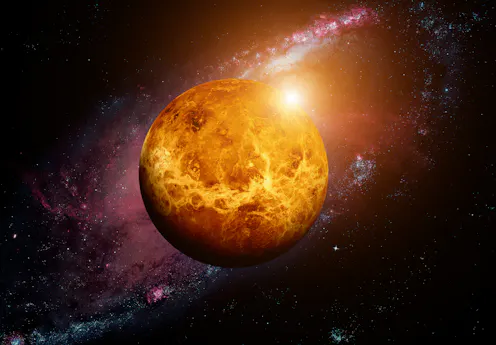
Venus wouldn’t attract much attention if it were outside our solar system. Its skies are filled with sulphuric acid, its land abounds with extinct volcanoes and its surface is mostly red hot lava.
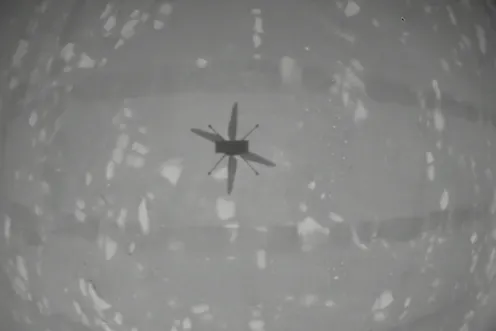
Flying the Ingenuity helicopter on Mars is the equivalent of flying one at about 100,000 feet on Earth. Tricky, considering the highest helicopter flight ever recorded maxed out at 42,000 feet.
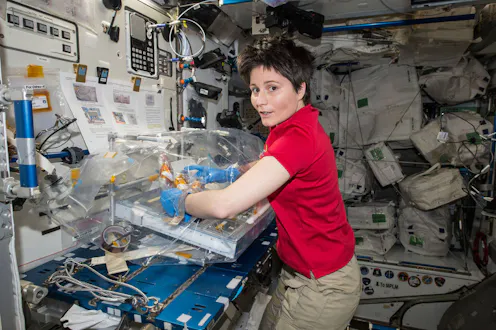
On Earth the flame from a struck match looks like an inverted teardrop shape and is orange. In microgravity, that same flame is spherical and blue. Heat transfer is different with minimal gravity.
Contact Gail for
- General
- Media request
- Speaking request
- Consulting / Advising
- Research collaboration
- Research supervision
- Location: Melbourne, Australia
- Website
- X (formerly Twitter): @gail_iles
- Article Feed
- ORCID
- Joined
