
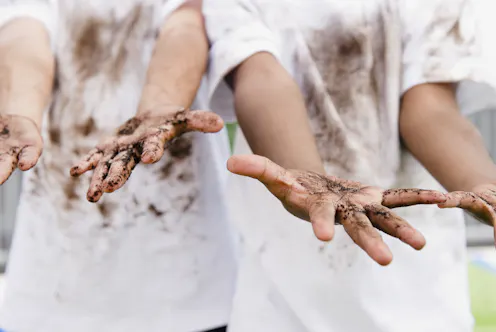
The new level won’t trigger automatic cleanups, but it sets a lower threshold for taking precautions to reduce lead exposure.
- Professor of Earth Sciences and Executive Director, Environmental Resilience Institute, Indiana University
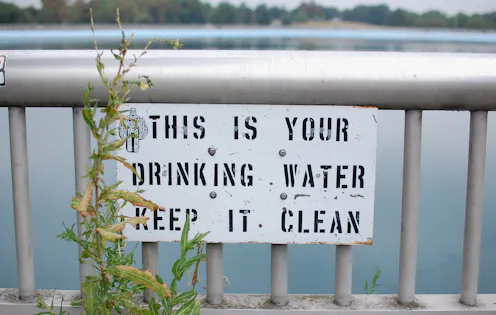
A webinar hosted by The Conversation brings together experts in law, health, policy and Indigenous affairs to explain some of the most pressing problems related to water in the US.
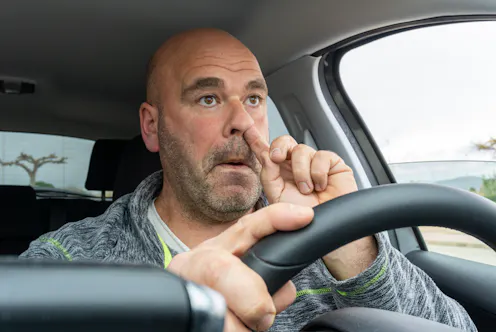
En secret, dans la voiture ou sur des serviettes de table, nous le faisons tous. Et pour être franc, c’est très satisfaisant.
A escondidas, en el coche o en servilletas, todos lo hacemos, pero nuestra nariz trabaja horas extras para mantenernos sanos, así que no se lo pongamos más difícil metiendo nuestros sucios dedos ahí dentro.
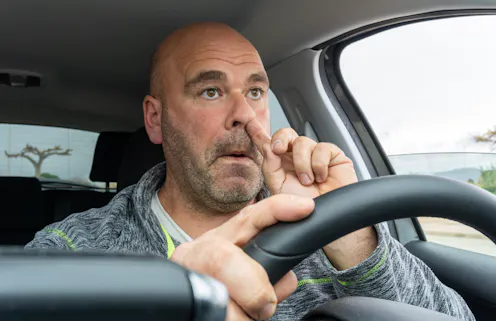
In secret, in the car or on napkins, we all do it. And truth be told, it is so satisfying.
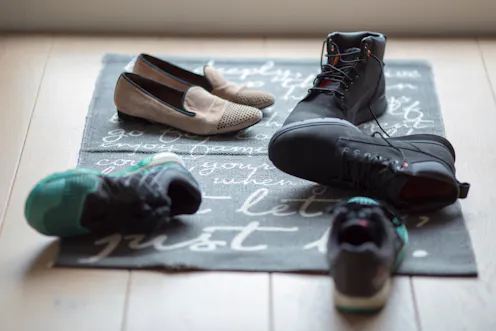
La cuestión de si debemos llevar o no zapatos en casa no es trivial. Sobre todo porque en las suelas arrastramos patógenos resistentes a medicamentos, toxinas cancerígenas y productos químicos que alteran el sistema endocrino.
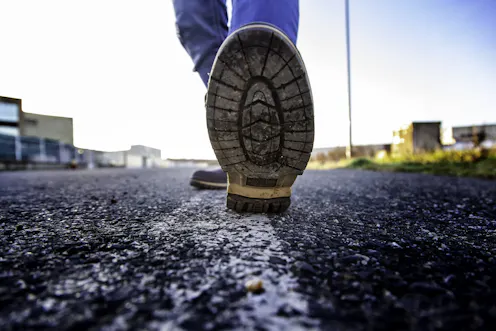
C’est désormais prouvé : nos chaussures sont de véritables nids à microbes ramenés de l’extérieur. Se déchausser à l’entrée est la meilleure façon de protéger son intérieur d’infections, plomb, etc.
It is best to leave your filth outside the door.
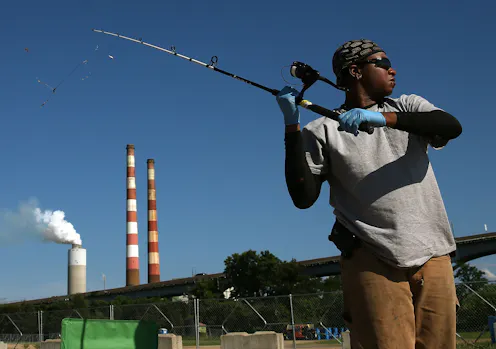
Mercury is a neurotoxic metal that can cause irreparable harm to human health – especially the brain development of young children. A scientist explains how it gets from power plants to fish to you.
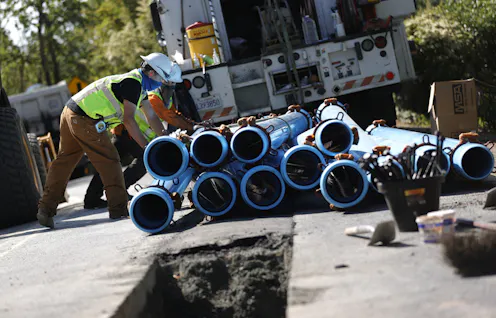
It will cost tens of billions of dollars to find and remove all the lead service lines that deliver water to US homes and schools. A public health expert explains why he sees it as money well spent.
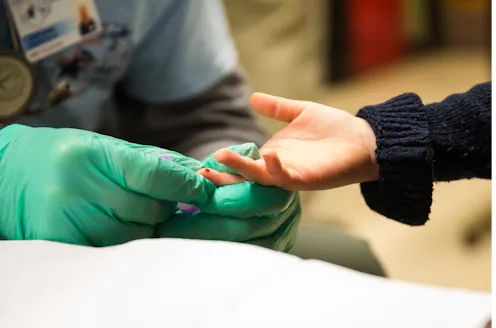
The Centers for Disease Control has announced a new, stricter standard for lead poisoning in children, which will more than double the number of kids considered to have high blood lead levels.
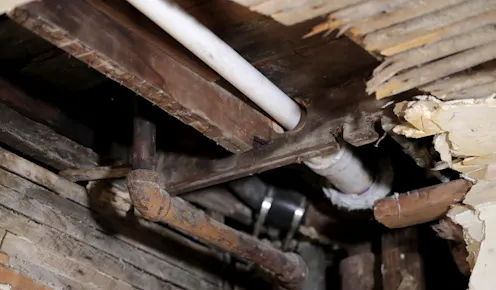
Three experts explain a few aspects of American infrastructure that desperately need investment.
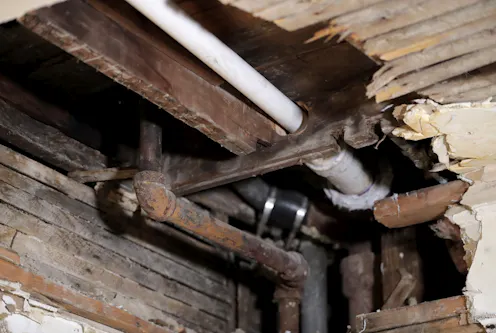
President Biden has proposed spending $45 billion to replace every lead water pipe and service line in the nation. A public health expert explains why he sees this as a worthwhile investment.
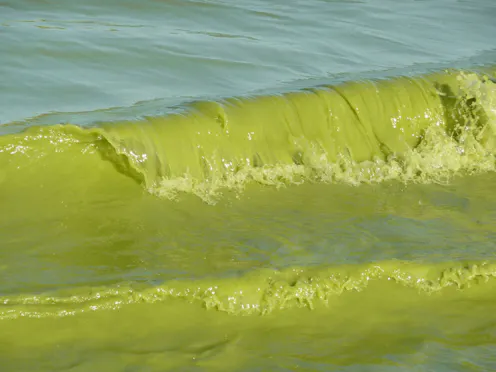
Warmer waters, heavier storms and nutrient pollution are a triple threat to Great Lakes cities’ drinking water. The solution: Cutting nutrient releases and installing systems to filter runoff.
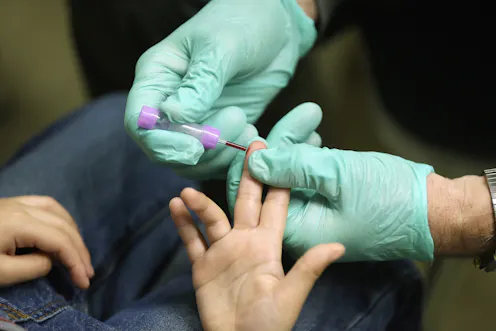
The EPA has just adopted a rule that limits what kinds of science regulators can use in setting rules. A scholar explains how this shift could impede his work mapping child lead poisoning.
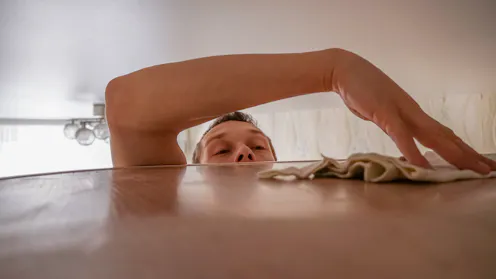
Quelle est la nature de la poussière qui nous entoure? Des chercheurs étudient la composition de ces particules d'intérieur et leurs répercussions possibles sur la santé humaine.
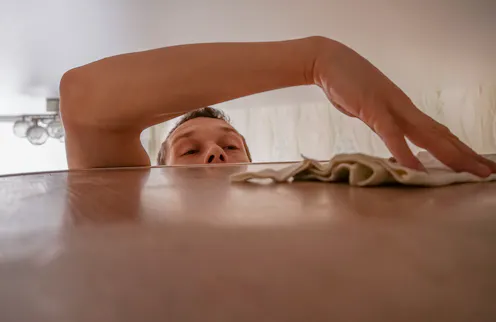
Even the tidiest space has some dust. Researchers are investigating just what these indoor particles are made of and their possible implications for human health.

Millions of people who shoot, for work or leisure, risk lead poisoning, according to new research.
Contact Gabriel for
- General
- Media request
- Speaking request
- Consulting / Advising
- Research collaboration
- Research supervision
- Location: Indianapolis, Indiana, U.S.
- Website
- BlueSky: @gabefilippelli.bsky.social
- X (formerly Twitter): @GabeFilippelli
- Article Feed
- ORCID
- Joined
