

Groundwater is the largest source of unfrozen freshwater on the planet. Even though it’s underground, climate change is heating this reservoir up.
- Lecturer in Hydrogeology, School of Environmental and Life Sciences, University of Newcastle
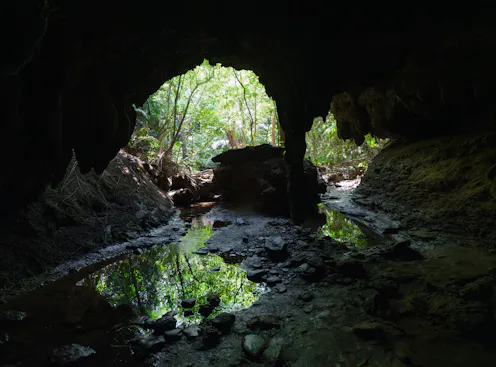
Caves form over millions of years, as a result of flowing water slowly working away at ‘soft’ calcareous rock.

Urban gardens, parks and green walls are crucial ways to tackle flash floods and city heat. But new global research finds its effectiveness varies from city to city.
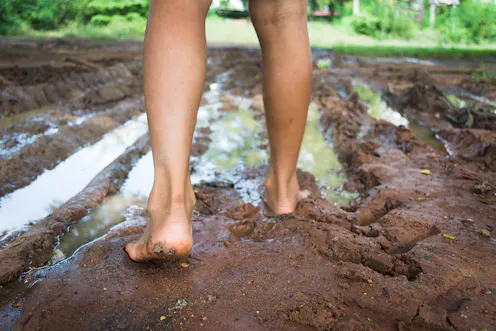
We know the tides affect the oceans, but it also affects groundwater. If we can understand how, then we can better protect this precious resource.

A new study looking at mineral deposits in caves is revealing insights into climate from the distant past.
Contact Gabriel for
- General
- Media request
- Speaking request
- Consulting / Advising
- Research collaboration
- Research supervision
- Location: Newcastle, Australia
- Website
- X (formerly Twitter): @hydrogeoscience
- Article Feed
- ORCID
- Joined
