
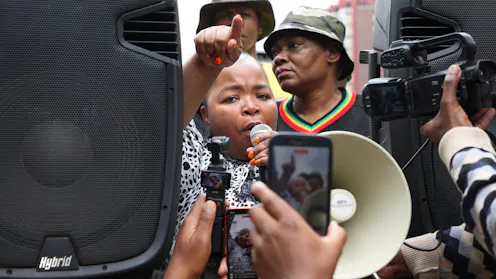
Access to media in South Africa closely matches the country’s socio-economic inequality.
- Associate researcher, University of the Witwatersrand
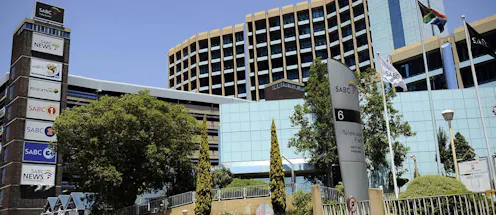
A lack of political will is to blame for failing to find a suitable funding model for the SABC’s public mandate.

The explosive viral spread of the grainy but dramatic footage shows the limits of mainstream media ethics.

The decision further delays migration to digital broadcasting and places strain on the urgently needed bandwidth for mobile data.
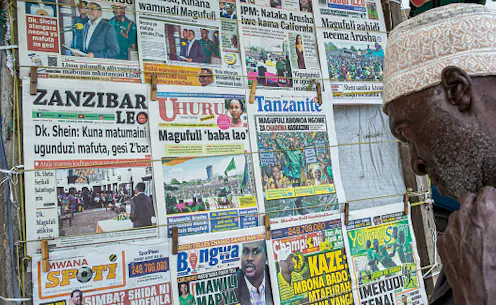
Today’s journalism students are less likely to find full-time jobs as professional journalists. The craft has become ‘post-industrial’, entrepreneurial and atypical.
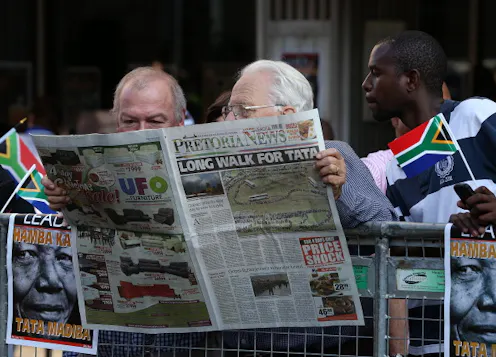
Tighter controls are not the answer; the opportunity should be used to think differently about trust and journalism. It is critical to enable audiences to distinguish reliable, verified information.
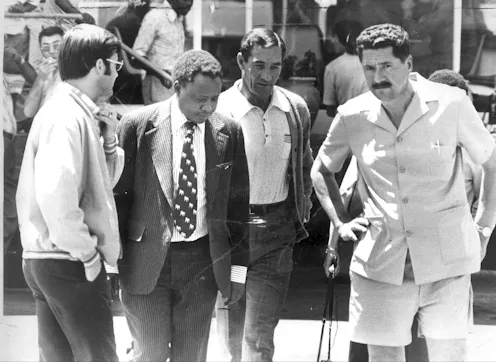
Journalists need to hold firmly to the ethical standards that assure audiences their work is reliable and credible.
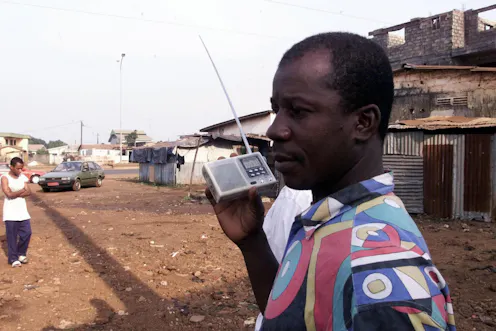
Most of the community radio stations operate on a survivalist level, and should be seen as struggling small, medium and micro enterprises.
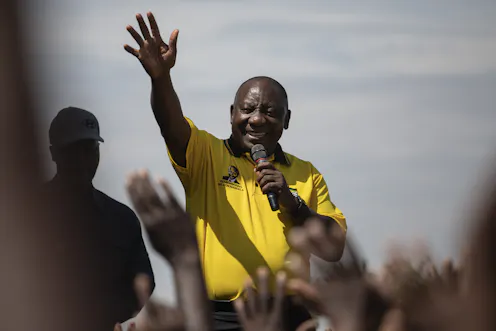
Community radio stations have thrown themselves into the political discussion with gusto.

Hugh Lewin is best known for two books that arose from his early involvement in the anti-apartheid underground.
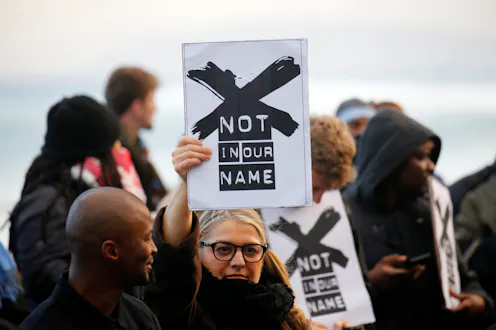
As South Africa marks Media Freedom Day, it’s clear that its battle isn’t over. Attacks on journalists continue –through physical intimidation and there’s also the threat of new laws.

When given leaked information journalists should check the information, consider alternative explanations, consider the political context and allow the people implicated a proper chance to respond.
Contact Franz for
- General
- Media request
- Speaking request
- Consulting / Advising
- Research collaboration
- Research supervision
- Location: Johannesburg, South Africa
- Website
- X (formerly Twitter): @franzkruger
- Article Feed
- ORCID
- Joined
