

As climate change and disrupted weather patterns impact countries around the world, leaders must act to mitigate the negative effects on public health.
- Distinguished Research Professor, Emerita, Dalhousie University

A recent change to South Africa’s national health research guidelines contains newly added language that appears to permit the use of genome editing to create genetically modified children.
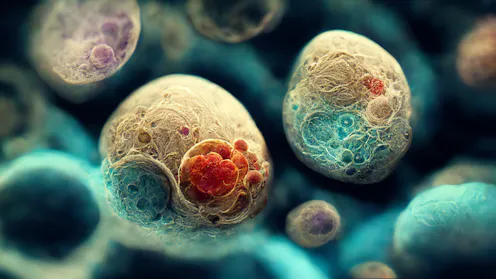
In June, the possibility of synthetic embryos was announced at a conference. This allows some research to extend beyond the 14-day rule, which restricts experimentation on embryos beyond this period.

In April, scientists implanted synthetic monkey embryos in female monkeys. While none of them developed into fetuses, this is a new development that raises important ethical questions.

The heart used in the first pig-human transplant was infected with a pig virus. This reveals that using other species as organ donors may not provide a solution for organ shortages.

Scientists have been eager to edit genomes to eliminate certain diseases. New WHO reports outlines ethical approaches to research and treatment.
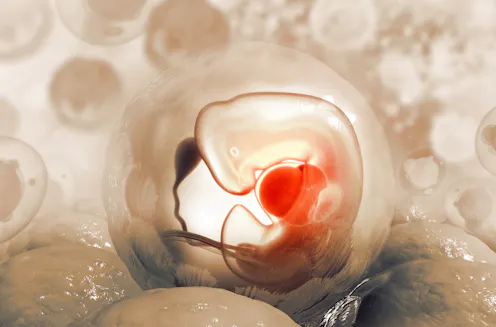
In most countries, scientific research that uses human embryos has to halt after the 14th day. New guidelines recommend the public’s input in extending the time period.

Pregnant women are at increased risk for serious COVID-19 complications and should be a high-priority group for vaccination. Excluding them from vaccine trials puts them and their offspring at risk.

Canadians have a reputation for compassion; in the current COVID-19 pandemic, this means helping each other by staying away.
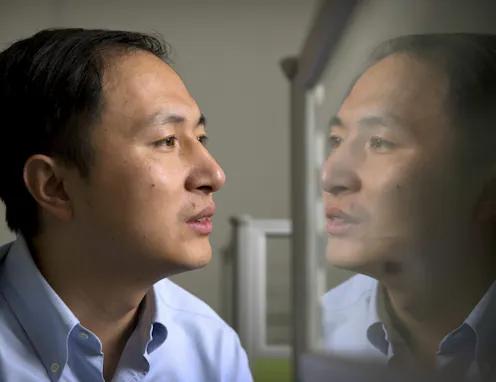
The scientist who announced the world’s first genome-edited twins received a prison sentence and a large fine for his research. But the systems that enabled him have not been held to account.
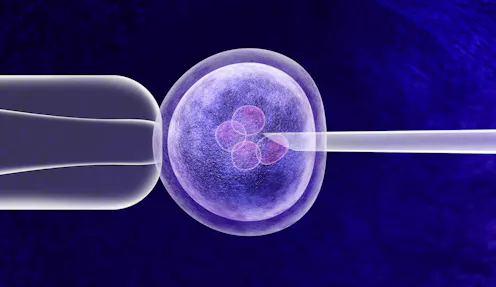
Un an après l’annonce des premiers bébés CRISPR, des changements dans les politiques et les règlements ont fait en sorte qu’il n’y a pas eu de nouvelles annonces depuis.
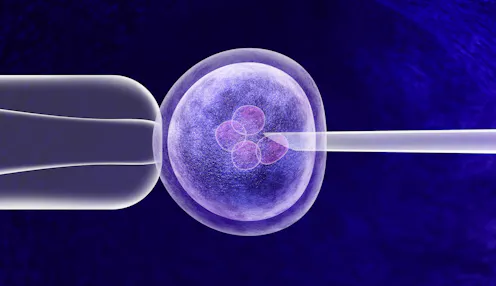
One year after the first CRISPR babies were announced, changes in policies and regulations have meant that there have been no new CRISPR announcements since.
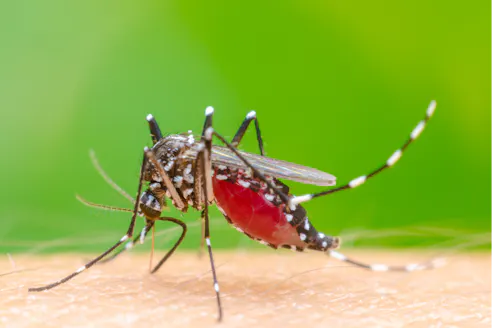
Genetically modified mosquitoes were released in Brazil in an attempt to halt the spread of dengue fever by reducing the mosquito population.
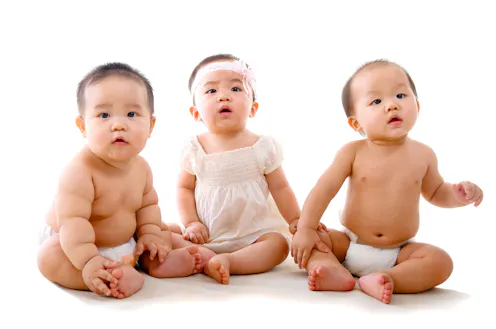
Chinese researcher, Jainkui He claims to have created the world’s first genome-edited twins. Such action would pose unknown risks to the lives of these children and to humanity as a whole.

There are sound ethical reasons behind Canada’s decision to ban payment to surrogate mothers and sperm and egg donors in 2004. A new push to remove the restrictions ignores the risks.
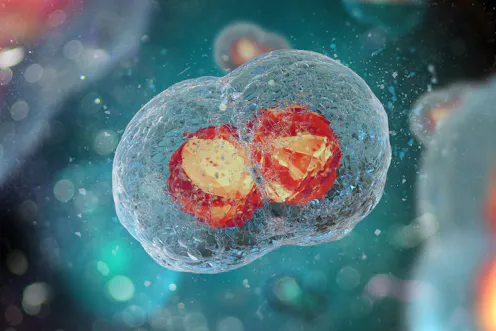
A new gene editing experiment explores human development. With this comes new ethical questions: How do scientists acquire embryos and how are their projects approved?

Health Canada is drafting important regulations for assisted reproductive technologies. Initial documents treat egg donors and surrogates as little more than spare parts and walking wombs.

A team in the U.S. is said to have safely and effectively altered human embryos. The news is a reminder that citizens must be consulted on developments potentially affecting the future of the species.
Contact Françoise for
- General
- Media request
- Speaking request
- Consulting / Advising
- Research collaboration
- Location: Halifax, Nova Scotia CANADA
- Website
- BlueSky: @francoisebaylis.bsky.social
- LinkedIn: Francoise Baylis
- Article Feed
- ORCID
- Joined
