

Across science, only around half of published results can be successfully replicated. But while this is a serious problem, the proposed public audit looks like a political bid to cast doubt on science.
- Professor, School of Biosciences & School of Historical and Philosophical Studies, The University of Melbourne

Questionable research practices are not fraud, and they’re not cause for panic. But they do give us some hints about how we can make science more robust.

Brain-zapping, the curious case of the n-rays and other stories of evidence
The Conversation, CC BY70.4 MB (download)
You've had an x-ray before but have you had an n-ray? Of course not, because they're not real. But people used to think they were. Today, on Trust Me, I'm an Expert, we're bringing you stories on the theme of evidence.
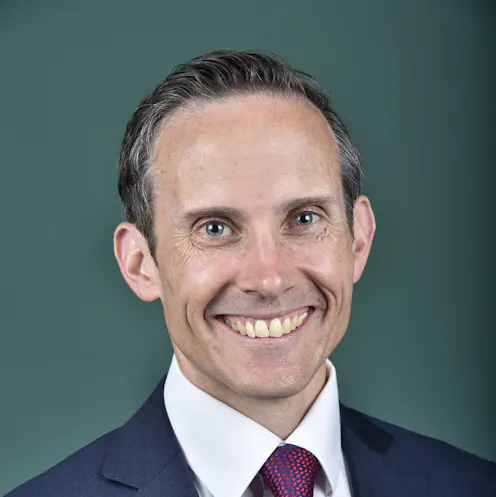
Economist, author and MP Andrew Leigh spoke to Fiona Fidler about how we should be using randomised trials more to drive decisions and policy in public life.
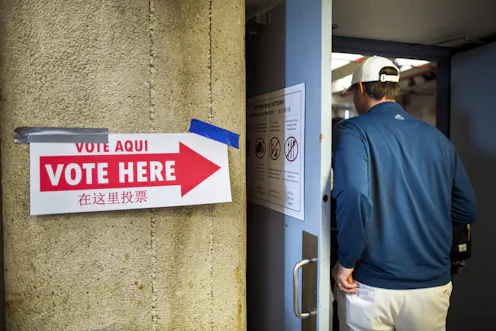
Given the failure of British polls to predict the outcome of Brexit, is it possible Donald Trump could produce a surprise result of even greater proportions?

Over the past few years, there has been a growing awareness that many experimentally established “facts” don’t seem to hold up to repeated investigation. This was highlighted in a 2010 article in the New…

An ambitious new project is attempting to replicate every single study published in 2008 in three leading academic psychology journals. It’s called the Reproducibility Project. As the name suggests, the…

An article published in the British Medical Journal (BMJ) today says a US charity “overstates the benefit of mammography and ignores harms altogether.” The charity’s questionable claim is that early detection…
Contact Fiona for
- General
- Media request
- Speaking request
- Consulting / Advising
- Research collaboration
- Research supervision
- Location: Melbourne, Australia
- Website
- X (formerly Twitter): @fidlerfm
- Article Feed
- ORCID
- Joined
