
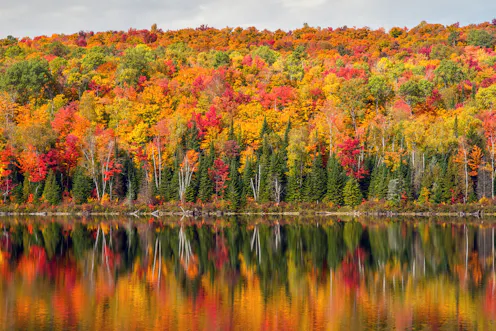
Research shows that the distribution of temperate hardwoods (sugar maple, red maple and yellow birch) could be shifting northward, which would have serious consequences for the boreal forest.
- Professeur en sciences forestière, Université du Québec en Abitibi-Témiscamingue (UQAT)
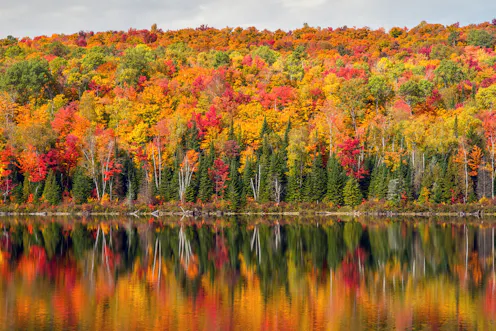
Des recherches montrent que la distribution des feuillus tempérés (érable à sucre, érable rouge et bouleau jaune) pourrait se décaler vers le nord, entraînant de lourdes conséquences sur la forêt boréale.
Contact Fabio for
- General
- Media request
- Speaking request
- Consulting / Advising
- Research collaboration
- Research supervision
- Location: Amos, Canada
- Website
- Article Feed
- ORCID
- Joined

