
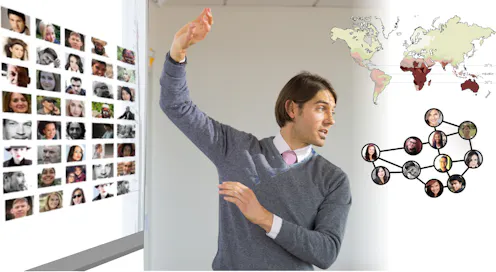
An international team of researchers is probing the links between skin diseases, including cancer, to speed the search for cures.
- Assistant Professor of Systems Biology and Cancer Metabolism, University of California, Merced
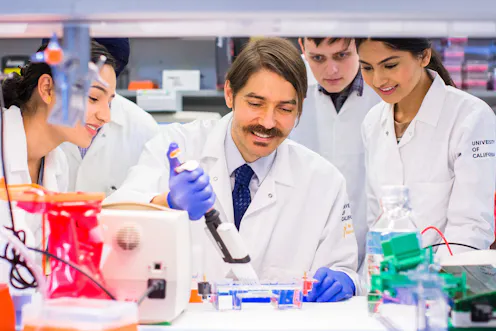
Cancer is a disease of our genes, but resistance to therapy might go beyond cancer mutations. The DNA stays the same, but cancer cells outsmart the drugs by switching their gene activity.
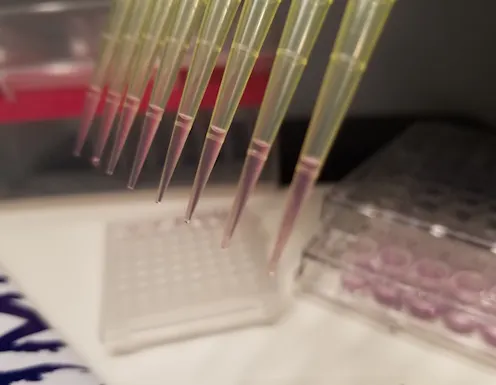
A field called epigenomics looks at chemical modifications that do not change our DNA sequence but can affect gene activity. What are the limitations, and can biomedicine use this to our advantage?
Contact Fabian for
- Media request
- Speaking request
- Consulting / Advising
- Research collaboration
- Location: CA, USA
- Website
- Article Feed
- ORCID
-
- Joined
