
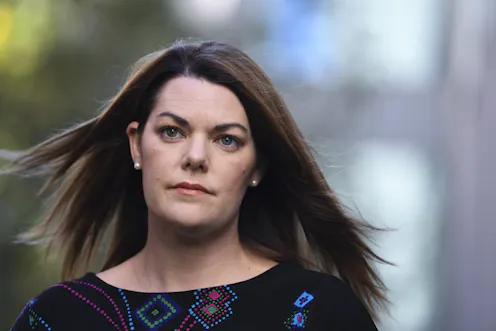
The stoush between Senators Sarah-Hanson Young and David Leyonhjelm harks back to age-old - not to mention nonsense and deeply sexist - dichotomies about women’s sexuality and moral character.
- Professorial Fellow, Jumbunna IHL, University of Technology Sydney

Like most forms of protest, the #MeToo movement offers evidence of problems but fails to tackle the broader causes and how to fix them.

Who do you trust? Increasingly the answer seems to be nobody, especially when it comes to inequality.
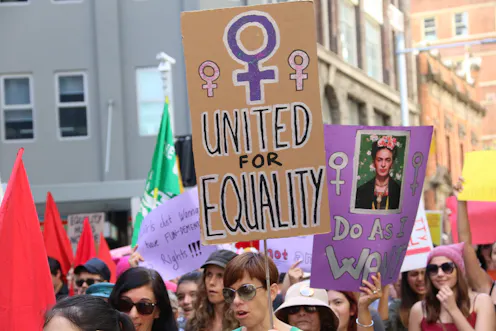
The famous slogan of the 1970s that ‘women who want equality with men lack ambition’ still rings true today.

Why, despite substantial spending, do serious difficulties continue to plague efforts to improve Indigenous wellbeing?
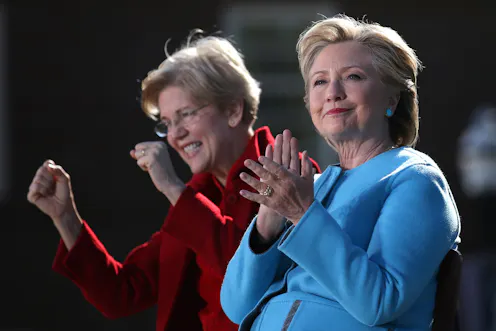
If there been an alternative feminist candidate, with a different, more disruptive agenda, we would have a feminist president.

Social media trolling, which is disproportionately aimed at women, is a sign of a much deeper malaise that must be redressed.
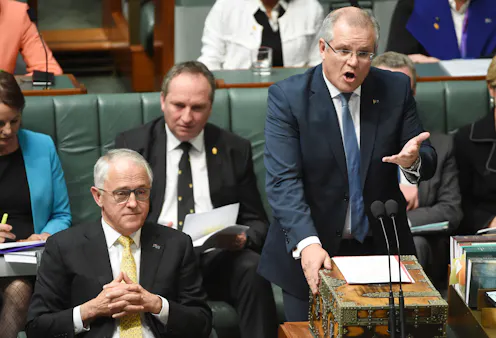
We need to ask on what basis the government is making its budget savings a ‘moral’ issue, and how the opposition can possibly support it.
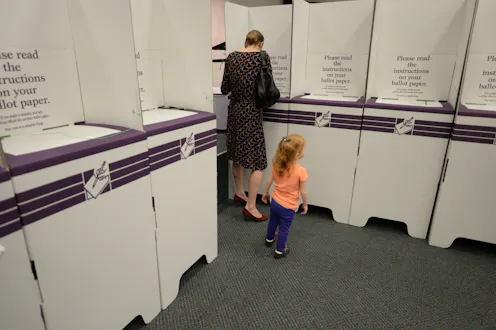
By continuing to see policies that affect women in economic rather than social terms, both major parties are offering little in the way of improved gender equity.

Neither major party seems to understand the structural causes of unemployment, or how to adapt welfare policy to meet those needs.

Talk of ‘women’s issues’, such as childcare, both accepts they are less important than other issues and assumes they have no universal value.

There is increasing evidence that voters have lost their faith in politicians and politics. But the way to restore faith is by implementing policies that make economic and social sense.

This budget focuses on jobs and growth, but has little in it to redress women’s entrenched inequality.

The rise of women to very powerful positions has not, to date, opened the way for other women. So there is no reason to believe a Hillary Clinton presidency would change that.

The second-wave feminists of the 1970s wanted to create radical shifts in gender power. Instead, women have settled for much less.

The government’s childcare reforms are designed to push more primary carers into paid work.

How can it be determined whether any improvements that may occur as part of the 12-month “cashless debit card” trial are the result of the card or increased funding for services, or a mix of both?
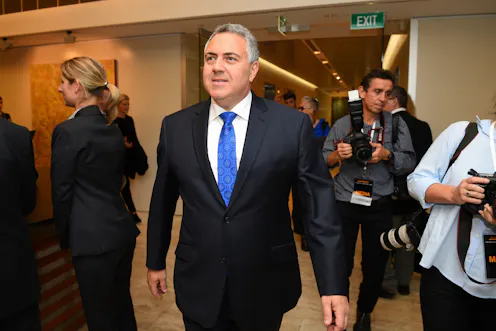
Good societies with secure public systems will increase investment much faster than company or personal tax cuts.

The government should follow the evidence-based advice before wasting more money on a new “trial” program that further infantilises mainly Indigenous welfare recipients and won’t work.
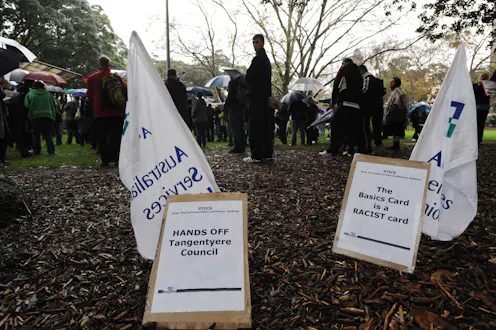
Various studies, culminating in the final evaluation report of income management in the Northern Territory, have found such programs don’t achieve the claimed benefits. Why did the budget extend them?
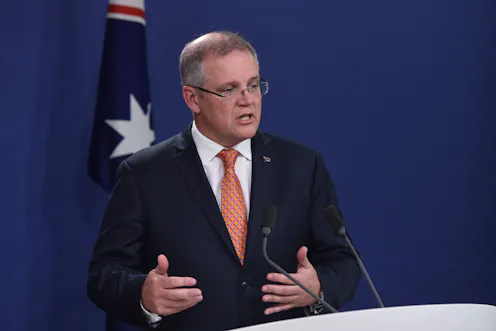
Lost in the political debate about subsidising child care is the fact that universal free preschool care has been abandoned as a goal of good social policy.
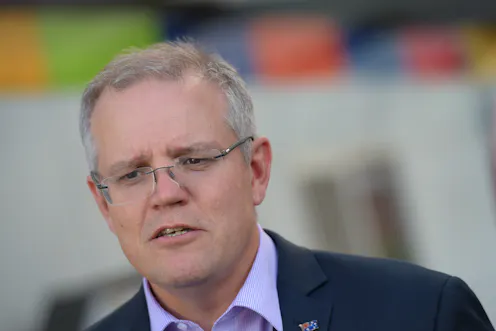
Social Services minister Scott Morrison has unveiled the first part of the Abbott government’s “families package” ahead of next month’s federal budget and the signs are not good. With the announcement…
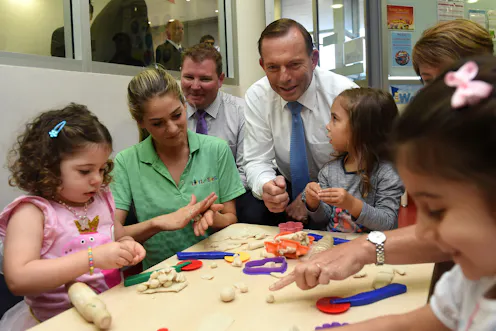
Many of the Productivity Commission’s proposals derive from assumptions that the funding of these services should ensure minimal interference, with a classic, market-based model for meeting “demand”.
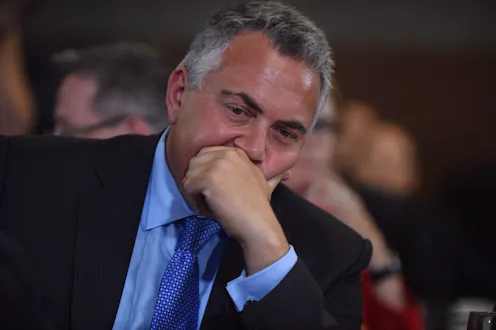
The recent losses of first-term governments in Queensland and Victoria suggests that some of the assumed verities of political process are being challenged. These results and the rapid shifting legitimacy…

There are a lot of babies around, and the numbers are increasing. However, Australia does not have coherent policies that recognise the effect of parenting on workforce participation and vice versa. Parenting…
Contact Eva for
- General
- Media request
- Speaking request
- Consulting / Advising
- Research collaboration
- Research supervision
