
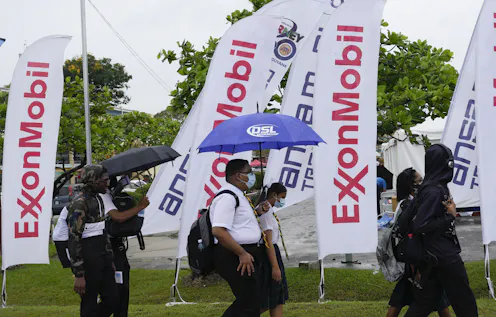
The fossil fuel industry uses universities to authenticate themselves as players in developing climate solutions, while they expand extraction and grow profits. Universities must disclose their ties.
- Professor, Department of Geography & Environmental Studies, University of Regina

Instead of training high school students for an industry that the world is transitioning away from, we need education on energy alternatives and ways of addressing climate change impacts.

While governments are often blamed for a perceived ‘unjust transition,’ it is actually the industry itself which poses the biggest threat to the future of oil and gas workers.
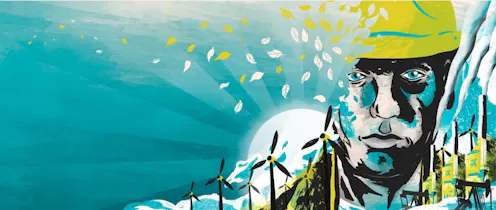
Le Canada ne cessera pas l’exploitation de son pétrole du jour au lendemain. Les métiers spécialisés seront essentiels pour mettre fin à l’industrie et créer de nouveaux emplois.
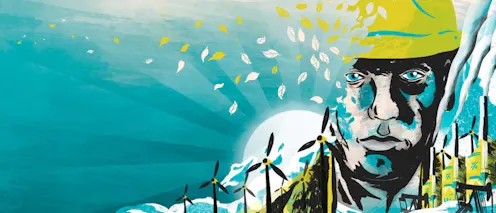
If Canada chooses to keep its oil in the ground, it doesn’t mean turning off the tap overnight. Skilled trades will be key to winding down the industry and building up new lines of work.

The idea of a renewable energy transition is exciting. It opens up space to think about enhancing democracy and decolonization.
Contact Emily for
- General
- Media request
- Speaking request
- Consulting / Advising
- Research collaboration
- Research supervision
- Location: Regina
- Website
- X (formerly Twitter): @emi_eaton
- Article Feed
- Joined
