• Home

Edition

Skip to content
The Conversation
Edition:
  • Africa
  • Australia
  • Brasil
  • Canada
  • Canada (français)
  • Català
  • España
  • France
  • Global
  • Indonesia
  • New Zealand
  • United Kingdom
  • United States
s
Newsletters
The Conversation
Academic rigour, journalistic flair

Ellen Welti

2

Articles

2

Comments
  • Research Ecologist, Great Plains Science Program, Smithsonian Institution
Profile Articles
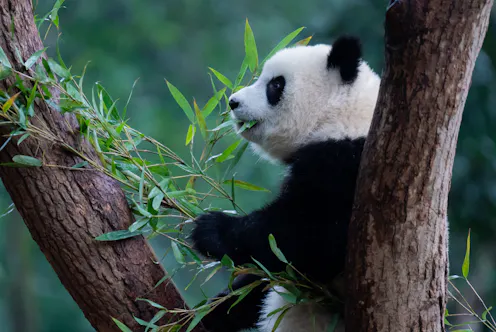
The giant panda’s diet is almost 100% bamboo. Costfoto/NurPhoto via Getty Images
December 20, 2024

Climate change is making plants less nutritious − that could already be hurting animals that are grazers

Ellen Welti, Smithsonian Institution

Rising carbon dioxide levels in the air are making plants grow larger and faster, but diluting their nutritional content. This could threaten the health of herbivores worldwide.
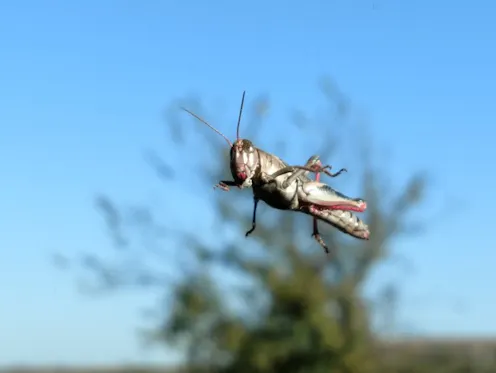
These grasshoppers, like many insects around the world, are declining. Dave Rintoul
March 9, 2020

Malnourished bugs: Higher CO2 levels make plants less nutritious, hurting insect populations

Ellen Welti, University of Oklahoma

Insect populations are falling as what they eat becomes more like iceberg lettuce and less like kale.
  • Location: Bozeman, Montana, U.S.
  • Website
  • Article Feed
  • ORCID
  • Joined March 4, 2020
Institution logo of Smithsonian Institution
  • Editorial Policies
  • Community standards
  • Republishing guidelines
  • Analytics
  • Our feeds
  • Get newsletter
  • Who we are
  • Our charter
  • Partners and funders
  • Resource for media
  • Contact us
Privacy policy Consent preferences Terms and conditions Corrections

Copyright © 2010–2026, The Conversation Media Group Ltd