
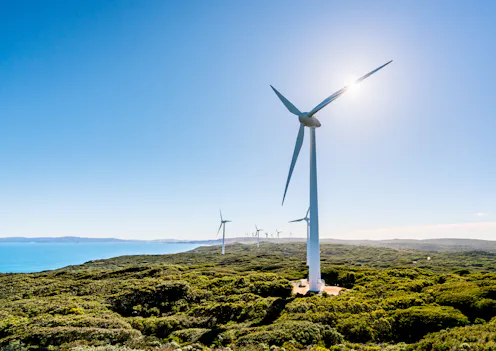
The federal government has been challenged to provide $100 billion over the next ten years to boost the renewables sector. But will policymakers respond to the challenge?
- Professor in International Relations / International Political Economy, UNSW
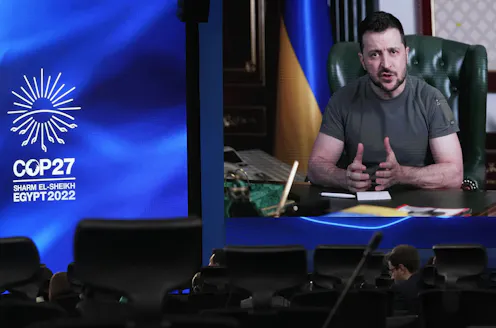
This year’s climate talks have been overshadowed by rising international tensions, energy crises and war. But that doesn’t mean climate action is dead.
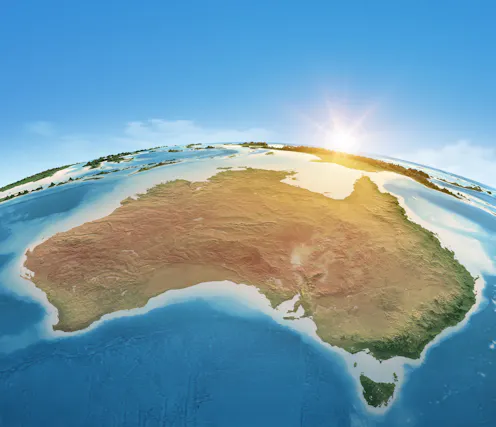
This week, Austalia began a climate pivot on its relationship with the region. Fossil fuels are out and exporting green energy and green manufacturing techniques are in.

China and the US could supercharge global climate action. But if they fail to cooperate, there will be dire consequences for all.

China is changing, and it’s time Australia’s coal exporters faced up to this reality.
Many Asian nations are shunning fossil fuels, presenting a huge opportunity for Australia’s renewables sector. And one massive project has stepped up to the plate.

It remains to be seen whether China’s climate promise is genuine. But it puts pressure on many other nations – not least Australia – to follow.
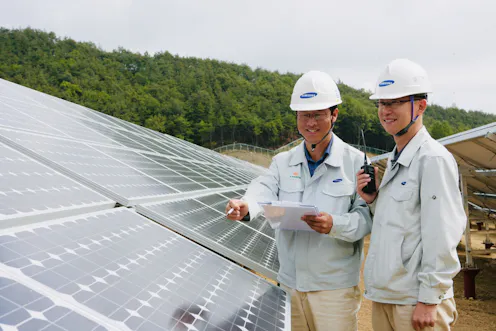
With a bit of political vision, risk-taking and a national strategy led by government, Australia too can kickstart investment in the post-COVID recovery.

The federal government is spending $94 million to buy cheap oil. Instead, Australia should use the money to manufacture our own energy.
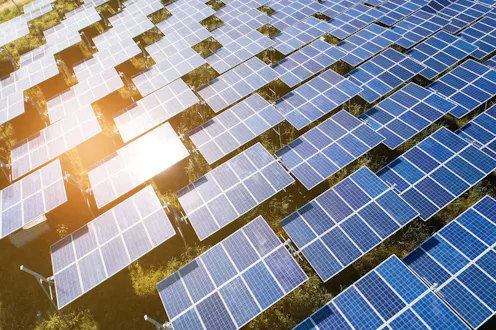
Sun Cable could provide Australia an alternative to the export business of coal and gas, and even reduce our export dependence on China.
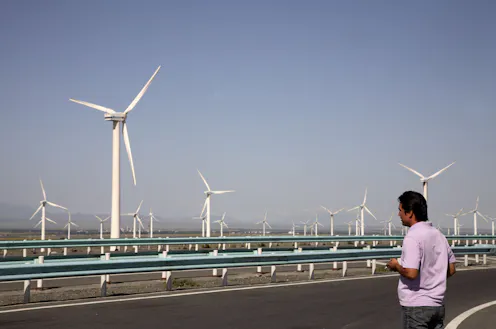
China is rapidly greening its economy, but that doesn’t mean authoritarian governments are best placed to handle climate change.
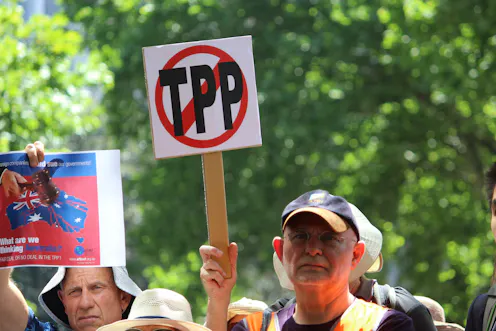
The TPP can’t go ahead in any form, so its time the Australian government lets it go.
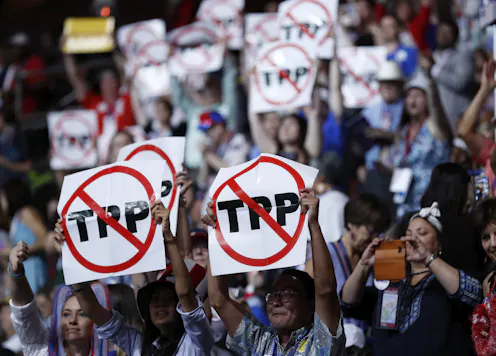
The United States and other countries are right to reject the TPP, but President-elect Donald Trump’s claims about it are misguided.
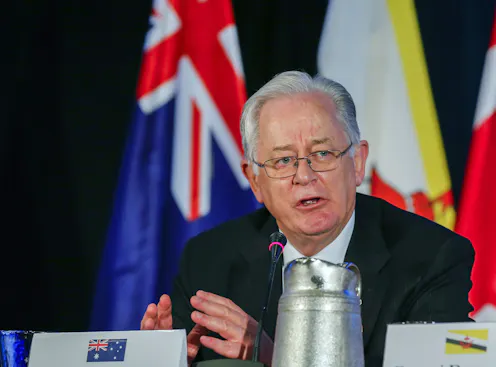
There’s still some way to go before the 12 countries involved can celebrate.

Ten years on from the Australia-US Free Trade Agreement, Australia is entering another round of negotiations towards the new and controversial Trans-Pacific Partnership. In this Free Trade Scorecard series…
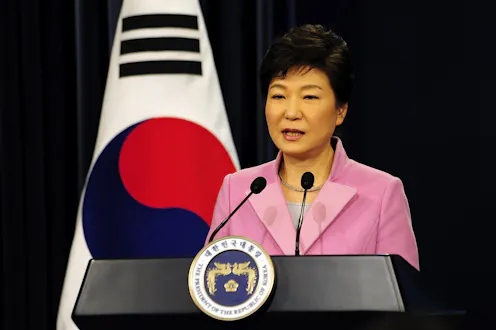
Like Australia, South Korea had a change of government last year. And like Australia’s, Korea’s new government was keen to distance itself from its predecessors’ legacies – particularly its “Green Growth…
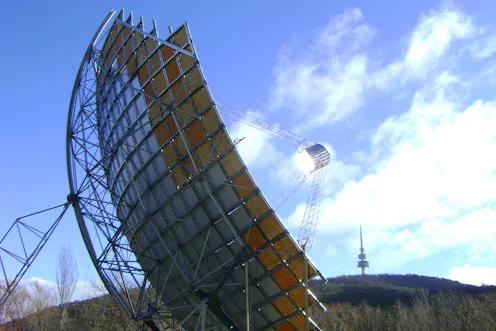
Let’s start with a question: why has Denmark been so successful in renewable energy creation and uptake? It can’t be that Denmark is a windy place (although that helped) or that it was a social democratic…
Contact Elizabeth for
- General
- Media request
- Speaking request
- Consulting / Advising
- Research collaboration
- Research supervision
- Website
- Article Feed
- Joined
