
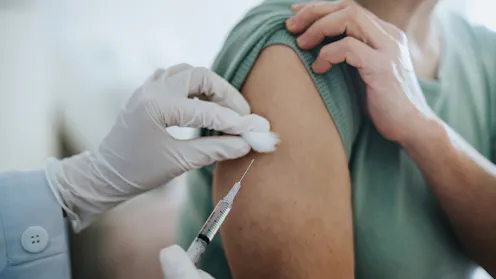
A cascade of changes to eligibility guidelines for the updated COVID-19 vaccines left Americans unsure whether they could still get the shot. That’s where off-label use comes in.
- Associate Professor of Pediatrics, University of Cincinnati

Hospital ethics committees and consultants do not make decisions for others, but their input can help support doctors and patients navigate difficult dilemmas.

Looking at the underlying philosophical and moral questions involved in abortion debates can help explain why it’s such an intensely divisive issue.

The CDC’s COVID-19 vaccine provider agreement prohibits health care professionals from administering the vaccines in people for whom they are not yet authorized or approved. But this departs from longstanding norms.

The abortion rights debate has moved on from freedom to choose – it is now about having available options, a bioethicist writes.

Should people be compelled to take the vaccine? Should you feel guilty for skipping the line? And what about parts of the world where vaccines aren’t readably available? Ethicists have it covered.
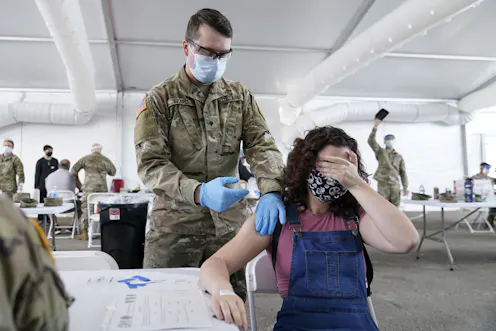
Am I really eligible? Isn’t there someone more worthy of getting immunized before me? A bioethicist explains that such feelings of guilt are understandable. In fact, they are good for society.
Contact Elizabeth for
- General
- Media request
- Speaking request
- Consulting / Advising
- Research collaboration
- Research supervision
- Location: Cincinnati, Ohio, U.S.
- Website
- BlueSky: @ethicselizabeth.bsky.social
- Article Feed
- ORCID
- Joined
