
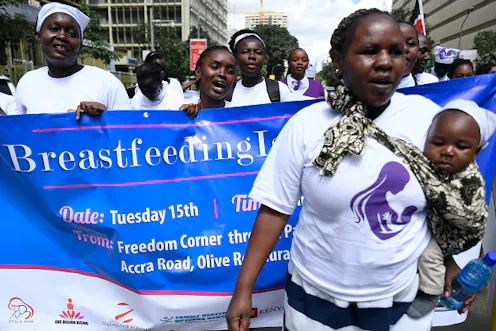
Provision of breastfeeding support and information within the community can lead to a significant increase in exclusive breastfeeding rates.
- Senior Research Scientist, African Population and Health Research Center
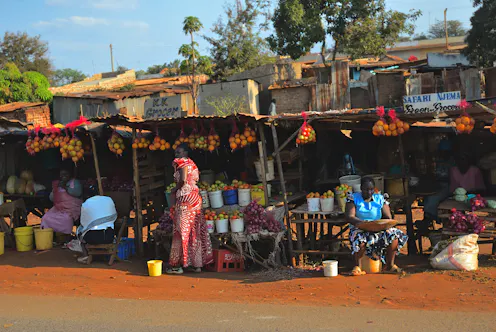
Kenya’s urban poor lack enough food and the little they can afford is often unsafe and of poor nutritional value.
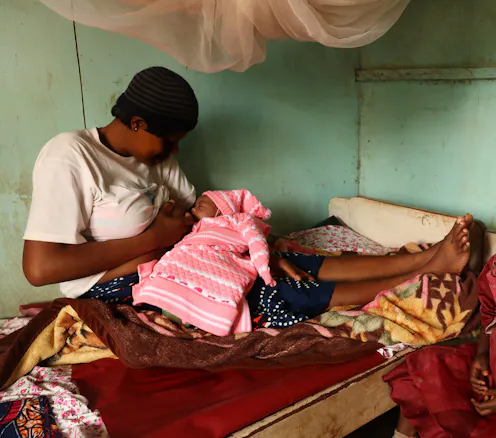
Regular home visits by community health workers helped to increase breastfeeding rates in Kenya.
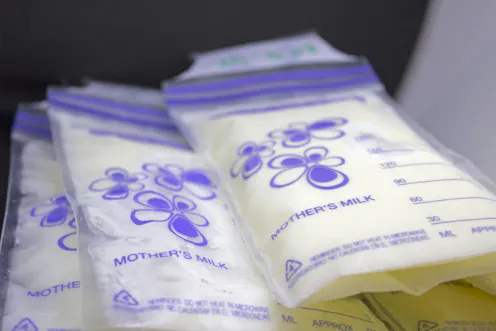
The WHO has called for the global scale-up of human milk banks.
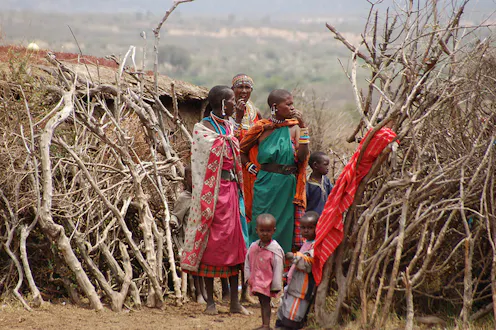
In Maasai communities women have no autonomy to make decisions about their nutrition and that of their children.
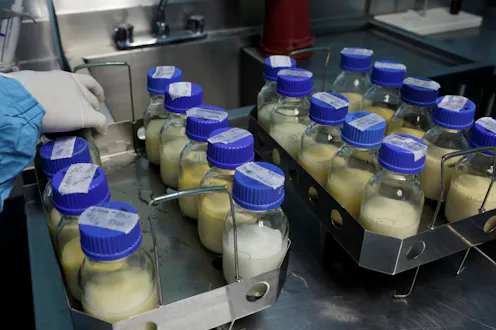
Human milk banks play an important role in ensuring the safe supply of breast milk. This is made available to babies whose mothers are unable to breastfeed.
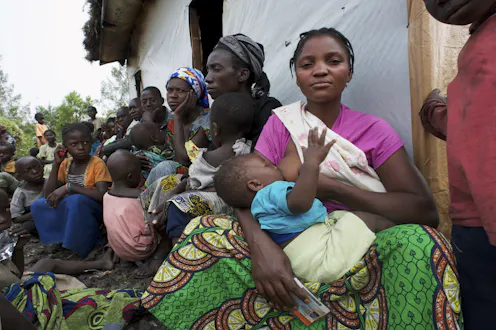
Breastfeeding has many health benefits for both baby and mother. But it can also can be difficult to sustain exclusively without support.

Only 28% of working women across the globe are fully protected by maternity laws that provide for time off work with full pay.
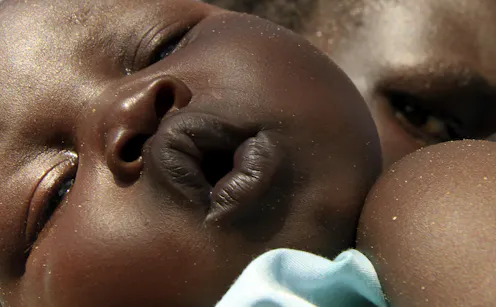
Over the last three years Kenya has seen marked improvements in its nutrition-related targets as a result of a national nutrition plan it has implemented.
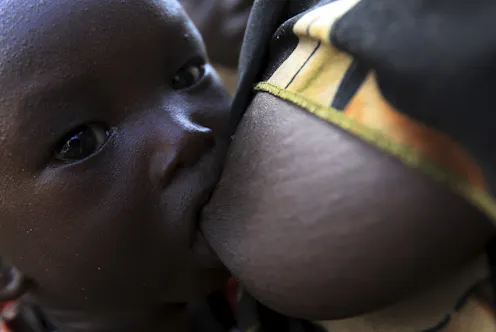
In 12 years Kenya has managed to dramatically improve its exclusive breastfeeding rates from 13% to 61%. The success has not come without challenges, and some persist.
Contact Elizabeth for
- General
- Media request
- Speaking request
- Consulting / Advising
- Research collaboration
- Research supervision
- Location: Nairobi, Kenya
- Website
- X (formerly Twitter): @Liz_Kimani
- Article Feed
-
- Joined
