
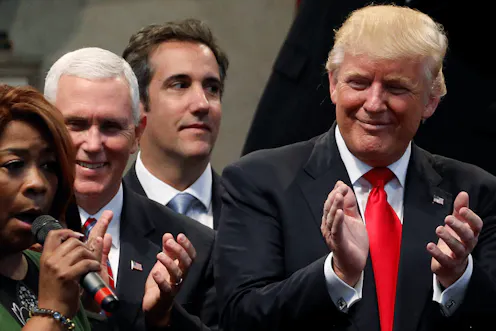
Cohen’s sudden and stark transformation from ‘blind loyalty’ to utter betrayal says a lot about broader changes in how Americans view their employers.
- Professor of Law, University of Oregon

An employment law expert explains why it’s time CEOs had to follow the same rules and harassment policies as every other employee.
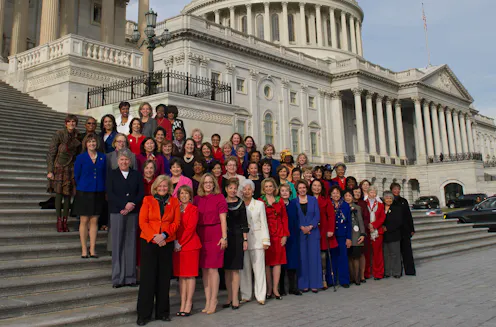
After a year of headlines and ousted CEOs, Congress has yet to pass a single piece of legislation on sexual harassment – let alone hold a hearing. That may change as lawmakers get to work in 2019.
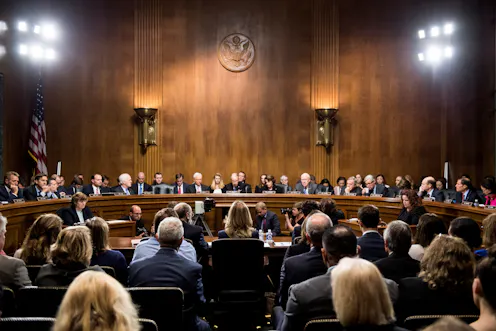
Senators followed a playbook familiar to millions of women. In promoting men, companies and other organizations have frequently brushed aside allegations of sexual assault and harassment.

Moonves, accused by 12 women of sexual harassment and assault, managed to walk away with a face-saving exit package that may even include some of his $182 million severance.

New legal boilerplate in corporate merger agreements signals just how important #MeToo has become – not just as a social movement but as a business risk.
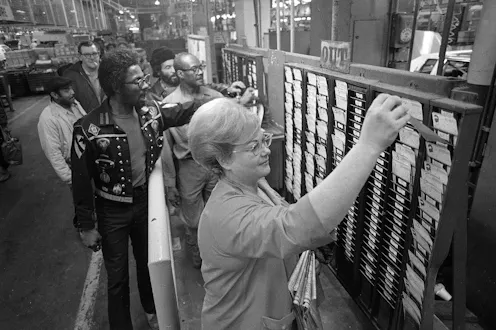
Hundreds of court cases show that companies are using features of timekeeping software to shortchange workers, a few minutes at a time.
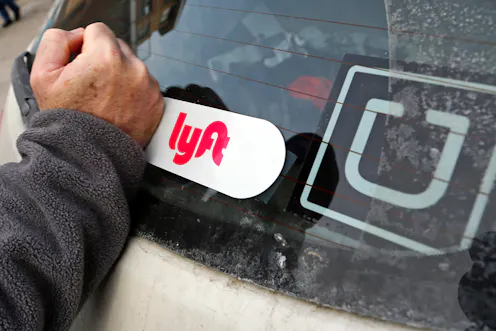
The California Supreme Court made it harder to classify workers as independent contractors. But it’s not quite the ‘game changer’ some observers claim it to be.
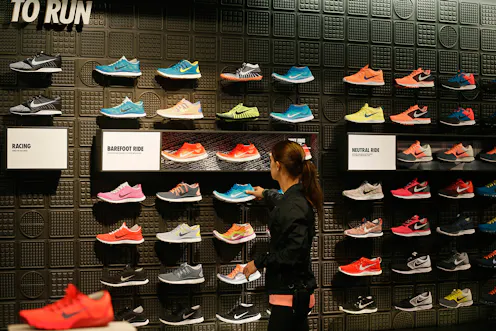
A revolt by women at the world’s largest sport brand revealed what companies and many others still don’t understand about the nature of workplace harassment.
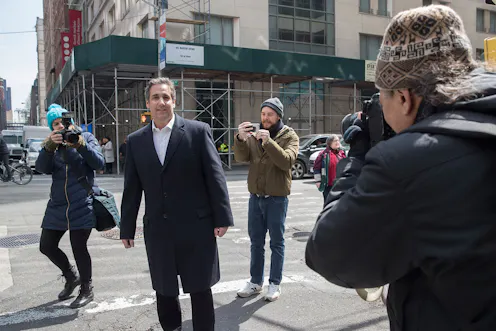
The president’s tweets aside, the law provides strong protections to lawyers to ensure they can keep their clients’ secrets safe.

A purported contract between Sinclair and an anchor demanded a huge penalty if the employee quit. While many asked if that’s legal, a more interesting question is why more companies don’t do the same thing.
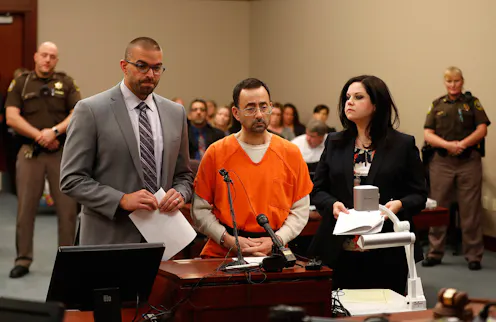
Employers like Michigan State play a critical role in protecting people – or not – from abuse by people on their payroll.

At the Golden Globes, Oprah Winfrey assured girls that the harassment scandals of 2017 will eventually lead to a brighter future. But deep workplace issues will have to be addressed first.
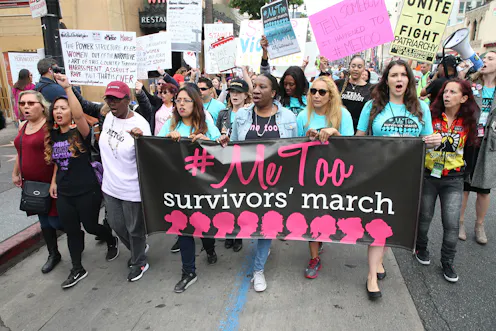
Time magazine named the #MeToo movement its ‘person’ of the year, highlighting the role companies and nondisclosure agreements play in keeping the victims of abuse silent.
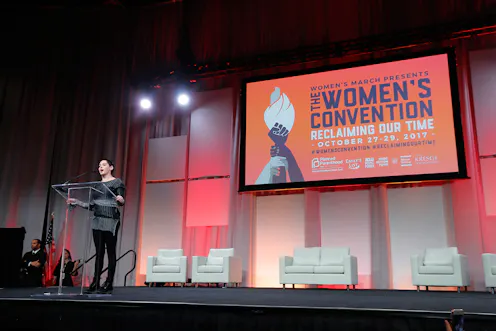
Nondisclosure agreements are getting a bad rap these days because they’ve been used to prevent victims of sexual harassment and abuse from speaking out. But not all are nefarious.

Companies have long tended to protect rather than punish high-profile harassers. That may change as the #MeToo movement inspires more women to speak out.
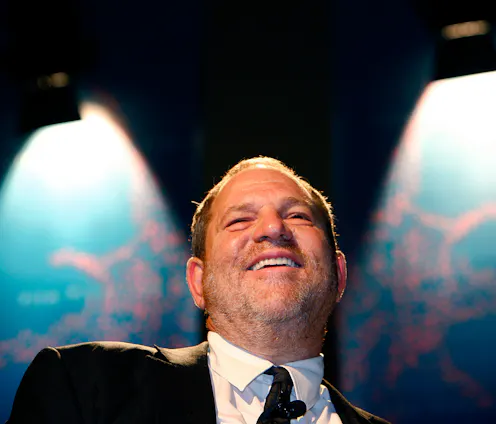
Videos and other material from the ‘80s and '90s remind us that harassment isn’t about sex so much as discrimination, inequality and power.
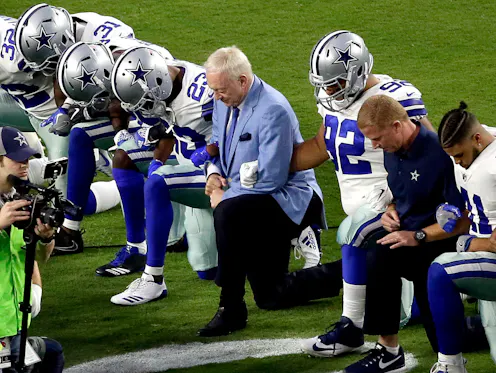
Team owners’ defense of their players ‘taking a knee’ during the national anthem shows the vital role business leaders play in political discourse – one championed by Citizens United.
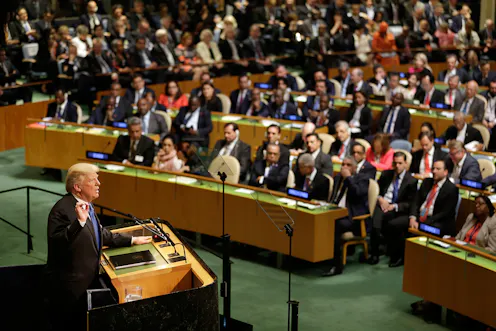
President Trump’s fiery speech at the United Nations received a mostly subdued response from world leaders and others. Is there a risk we’re becoming complacent?
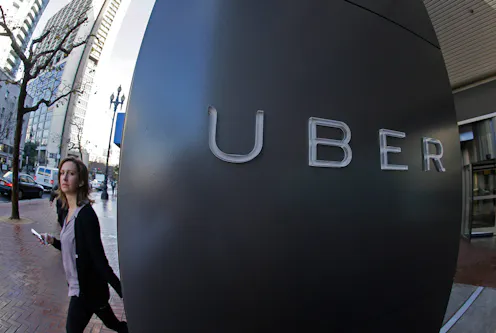
The escalating indifference with which Uber allegedly reacted to a software engineer’s harassment claims is the norm in the corporate world, where enforcing civil rights laws is seen as a tax on profits.

We haven’t had a major government ethics scandal since Watergate, which means Americans have forgotten how bad it can be. That’s why Trump may end up accidentally reminding us.

If you think the hours you work are all converted directly into dollars, think again. There are a lot of ways employers can manipulate your time – some of which are legal, others highly questionable.

The president-elect doesn’t think his extensive business and other conflicts will be a problem when he’s president. Research suggests it’s because of a behavioral bias that affects us all.

The bank’s recent scandal probably would never have happened had senior management only listened to Wells Fargo’s whistleblowers.

The thousands of Wells Fargo low-wage employees who defrauded customers likely knew how it felt to face unfair overdraft fees or a deteriorating credit rating. So why did they do it?
Contact Elizabeth for
- General
- Media request
- Speaking request
- Consulting / Advising
- Research collaboration
- Research supervision
- Location: Eugene, Oregon, U.S.
- X (formerly Twitter): @tippettliz
- Article Feed
-
- Joined
