

New data on Closing the Gap shows more Indigenous people are in prison, not less.
- Professor Emerita of Criminology, UNSW

We wanted to quantify what social factors increase a person’s chance of ending up in prison, and to use that to improve policy and reduce the harms and costs of incarceration.

Finding stable housing is one of the biggest challenges facing prison leavers. Access to public housing has been found to flatten the curve on rates of recidivism.

On International Women’s Day, universities should resolve to lead the way in reshaping workplace rituals, rules and routines to advance gender equality and ensure safe workplaces.
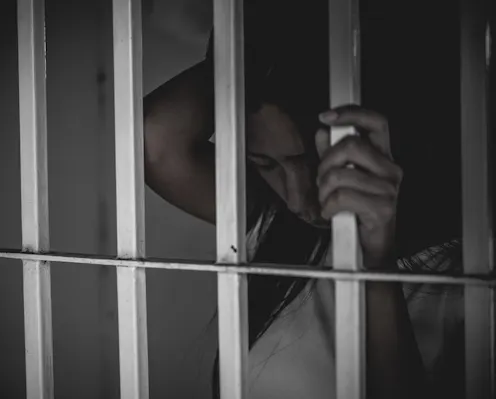
The UN has twice called on Australia to dismantle its indefinite detention system for people with cognitive impairments and mental illness, which disproportionately affects Indigenous people.
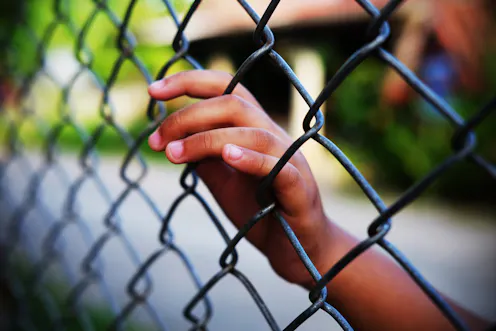
Children are still being held in police cells and juvenile detention for low-range offences, under alarming conditions. Here’s how their mental health and future prospects suffer.
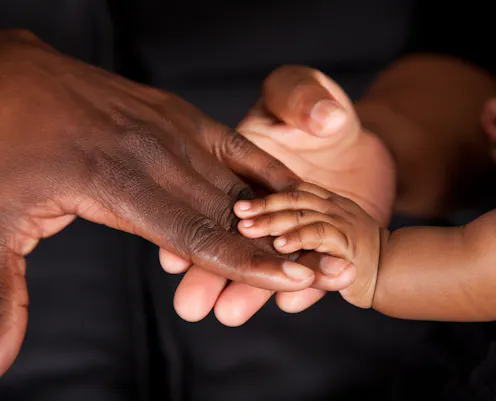
Aboriginal mothers in prison feel intergenerational trauma and the forced removal of their children are the most significant factors impacting their health and well-being.

In several Australian prisons, babies and toddlers live with their mothers who are serving time. Keeping young children with their mums is a good thing, but they need to be better supported.
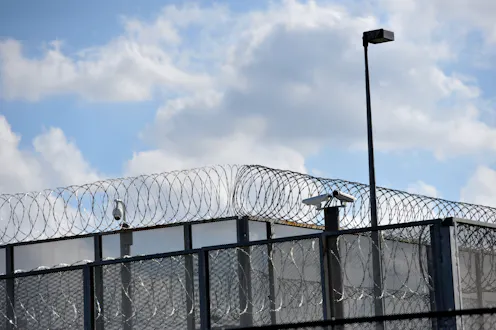
The largest increases in Australia’s prison numbers have been in remand, Indigenous and women prisoners.

Cape York Partnership founder Noel Pearson told Q&A that Indigenous Australians were ‘the most incarcerated people on the planet Earth’. Is that right?

Two years after the second earthquake rocked Nepal in 2015, the recovery efforts have been stalled by political instability and money mismanagement.

The predictable path into prison for Aboriginal people with disabilities is preventable. Here are some solutions.

Police have become the default frontline response to Aboriginal people with mental and cognitive disabilities, setting this group up for a lifetime of ‘management’ by the criminal justice system.

Australia’s high rates of imprisonment and re-imprisonment of Aboriginal people with mental and cognitive disabilities is not only shameful, it is entirely predictable and preventable.
Contact Eileen for
- General
- Media request
- Speaking request
- Consulting / Advising
- Research collaboration
- Research supervision
- Location: Sydney
- Website
- X (formerly Twitter): @eileenbaldry
- Article Feed
- ORCID
- Joined
