

A new assessment found substantial warming is much more solidly assured than we thought.
- Professor of Ocean and Climate Change, Australian National University

Antarctica is no longer the sleeping giant of sea level rise. New research delved into the past and found when the Earth warms, its ice sheets can melt extremely quickly.

Global warming and carbon emissions, left unchecked, could cause rising sea levels and displace almost 200 million people. But we can still prevent the worst case scenario if we act now.
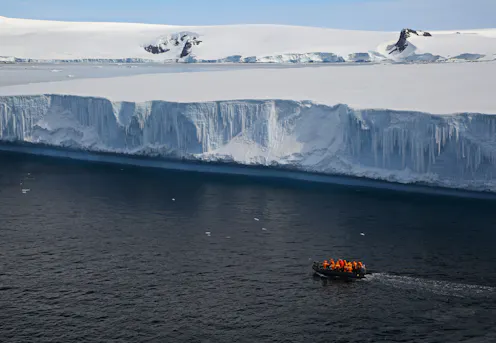
If we accept that 2 degrees warming is dangerous this century, we have to accept it is dangerous beyond.
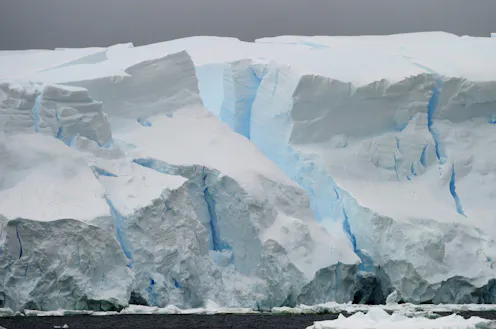
Ice sheets respond slowly to changes in climate, because they are so massive that they themselves dominate the climate conditions over and around them. But once they start flowing faster towards the shore…
Contact Eelco for
- General
- Media request
- Speaking request
- Consulting / Advising
- Website
- Article Feed
- ORCID
- Joined
