

The type of menopause and differences between women taking HRT complicate claims about its potential to prevent dementia.
- Professor of Biological Psychology, Loughborough University

A major new study of 4.2 million people found leisure exercise cuts dementia risk – but manual labour and active commuting may raise it.

Research links repeated head impacts with poorer brain health in some former players, although the evidence cannot yet prove cause and effect.

Learning languages may keep your brain young, but the evidence for preventing dementia itself is far less clearcut.

Recent headlines have raised concerns about allergy tablets. The evidence is more nuanced than it first appears.

Une étude sur une importante cohorte suggère que de légers changements dans les habitudes de sommeil, d’activité physique et d’alimentation sont associés à un vieillissement en meilleure santé.

Scientists have been quietly building a case that what you eat in midlife shapes your brain decades later. Here’s what the evidence actually shows.

A study tracking women for more than two decades adds to growing evidence that when menopause hormone therapy is started may influence dementia risk later in life.

A major US study links air pollution to Alzheimer’s risk in older adults. With fine particles far exceeding safe limits globally, the findings carry urgent implications.

Two to three cups of coffee daily linked to lower dementia risk.

A study of 590,000 people finds modest changes to sleep, exercise and diet are linked to better ageing.
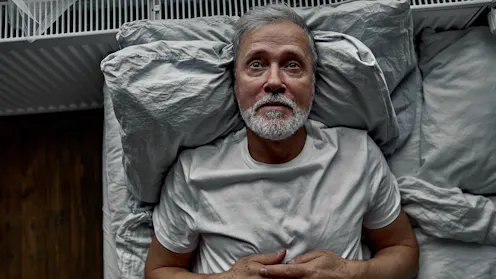
Research links disrupted biological rhythms to dementia risk, but sleep length alone may not be the key factor.

Research linking cheese and cream to lower dementia risk has made headlines, but the story is more nuanced than it might sound.

Even modest amounts of walking – as few as 3,000 steps a day – may help protect against Alzheimer’s by reducing harmful tau proteins in the brain.

New study links dietary copper to sharper thinking in later life. But the story is nuanced.

A large new study from the US has found an association between eating processed red meat and a future dementia diagnosis.
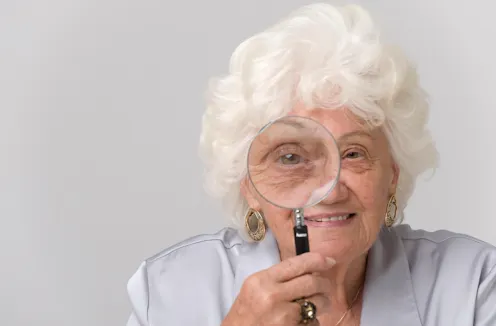
Alguns estudos descobriram que o movimento dos olhos pode melhorar a memória. Talvez isso explique por que descobrimos que as pessoas que assistem mais TV e leem mais têm melhor memória e menor risco de demência do que aquelas que não assistem.

A loss of visual sensitivity could be an early predictor of dementia.
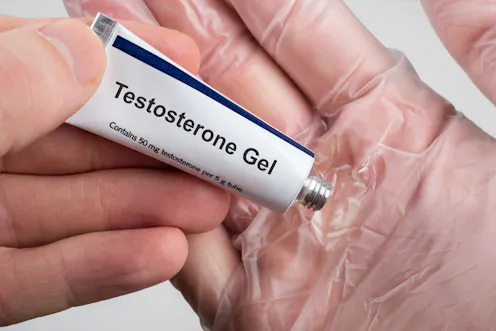
Testosterone in men declines at a rate of around 1% a year from age 30. That doesn’t mean that men go through the ‘manopause’.

It’s still unclear whether HRT can protect brain function and prevent dementia.

Doing exercise diminished students’ craving for alcohol, a new study found.
Contact Eef for
- General
- Media request
- Speaking request
- Consulting / Advising
- Research collaboration
- Research supervision
- Location: Loughborough
- Website
- X (formerly Twitter): @Eefhog
- Article Feed
- ORCID
- Joined
