

Workers’ power is being recast as precarious workers in Africa experiment with new ways of organising in the digital age
- Distinguished Reserach Professor, Southern Centre for Inequality Studies, University of the Witwatersrand
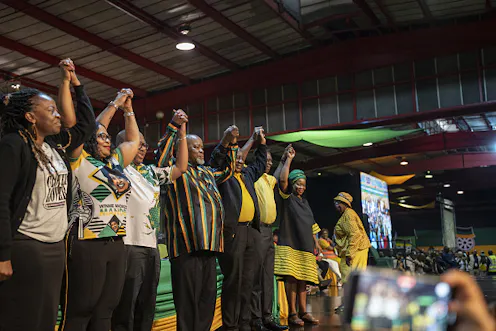
Mzala’s distinctive intellectual contribution combined a sophisticated grasp of revolutionary theory with the reality of ethnic nationalism.

There are ways in which platform workers can resist the rise in job insecurity and poor working conditions brought on by digital labour platforms.
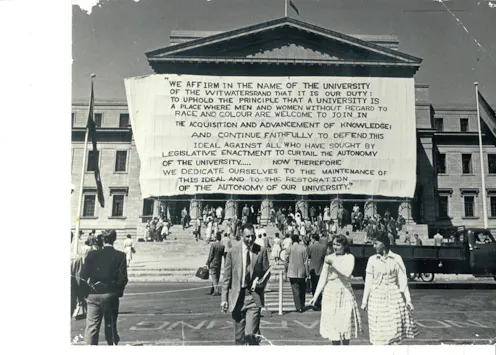
The 1986 research revealed that a large proportion of the community members surveyed thought that Wits served mainly white, corporate interests.
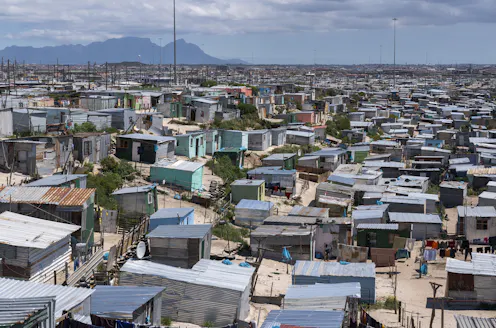
Trevor Ngwane, an activist and academic, shows how structures that emerged in the struggle against apartheid continue in democratic South Africa, now in conflict with the ruling ANC.
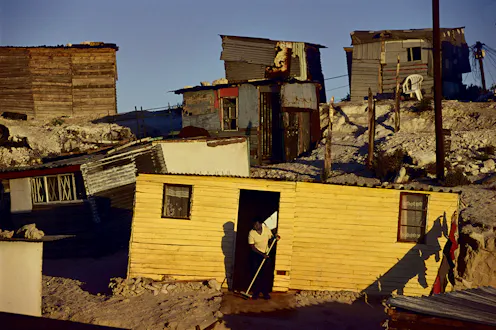
Rethinking capitalism requires that the primary focus should be on the distribution of economic power as the potential leading causal factor driving inequality.

La historia de la vida del líder sindicalista sudafricano Mandlenkosi Makhoba representa a los perdedores de la nueva Sudáfrica, porque muestra cómo se produce y reproduce la desigualdad de generación en generación.

The life story of Mandlenkosi Makhoba represents the losers in the new South Africa, showing how inequality is produced and reproduced generationally.

Book sheds new light on the evolution of the economic policy of the African National Congress, South Africa’s governing party.

During the apartheid period in South Africa – 1948 to 1994 – a lively intellectual culture of opposition emerged on some of the country’s university campuses and within the broader anti-apartheid movement…

Extensive research has been done on poverty and inequality in South Africa but more is needed to better understand the status quo and mainly inter-sectional factors that drive inequality.
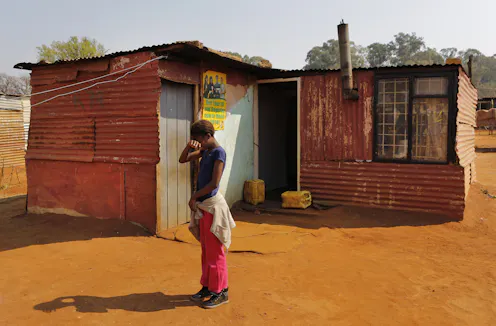
The National Question cannot be resolved solely through South Africa’s constitution. There’s potential for a far more radical transformative project than traditional liberalism.
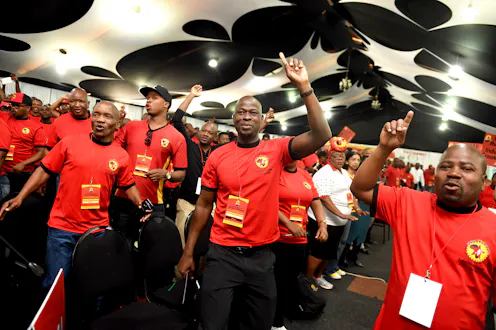
South Africa’s newest trade union federation, Saftu, comes at a time of declining political influence by unions, compared to during the struggle against apartheid. They are also seen as elitist.
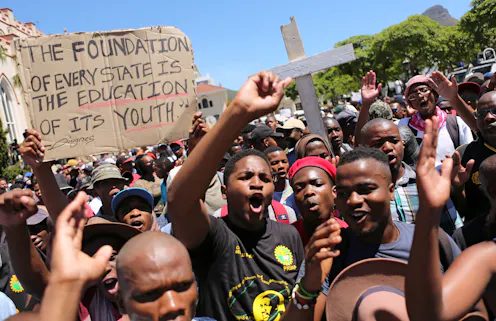
Generational rebellion is an enduring feature of all societies. Indeed, it is the dynamic through which societies renew themselves and move forward.
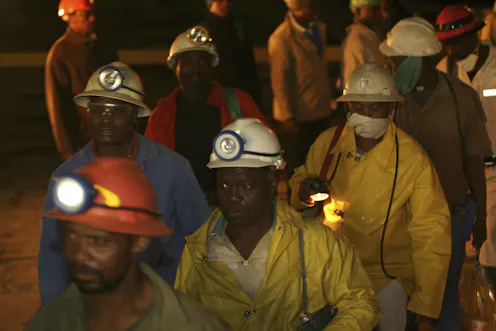
When sociologists, driven by their value commitments, go beyond the relative comfort of the classroom and engage with organisations outside the university, they dirty their hands.

If South Africans are to make the radical changes they must to become truly great, the new generation will have to find a way of understanding the country’s past in its profound complexity.

Could the surge of worker and popular resistance worldwide provide the global trade union movement with an opportunity to take the lead in developing a broad coalition of social forces?
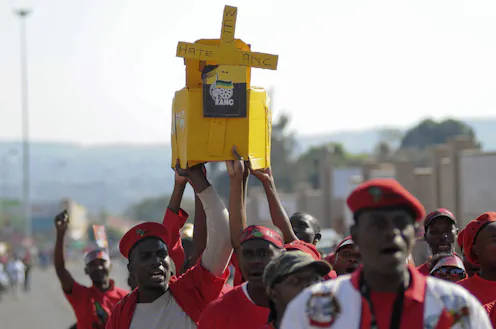
The Marikana massacre of 2012 triggered strikes across South Africa and political realignment. But could this, and the formation of the United Front to rival the ANC, have long-term significance?
Contact Edward for
- Speaking request
- Consulting / Advising
- Research collaboration
- Research supervision
- Location: jonannesburg, South Africa
- X (formerly Twitter): @sociologymadala
- Article Feed
- ORCID
- Joined
